




















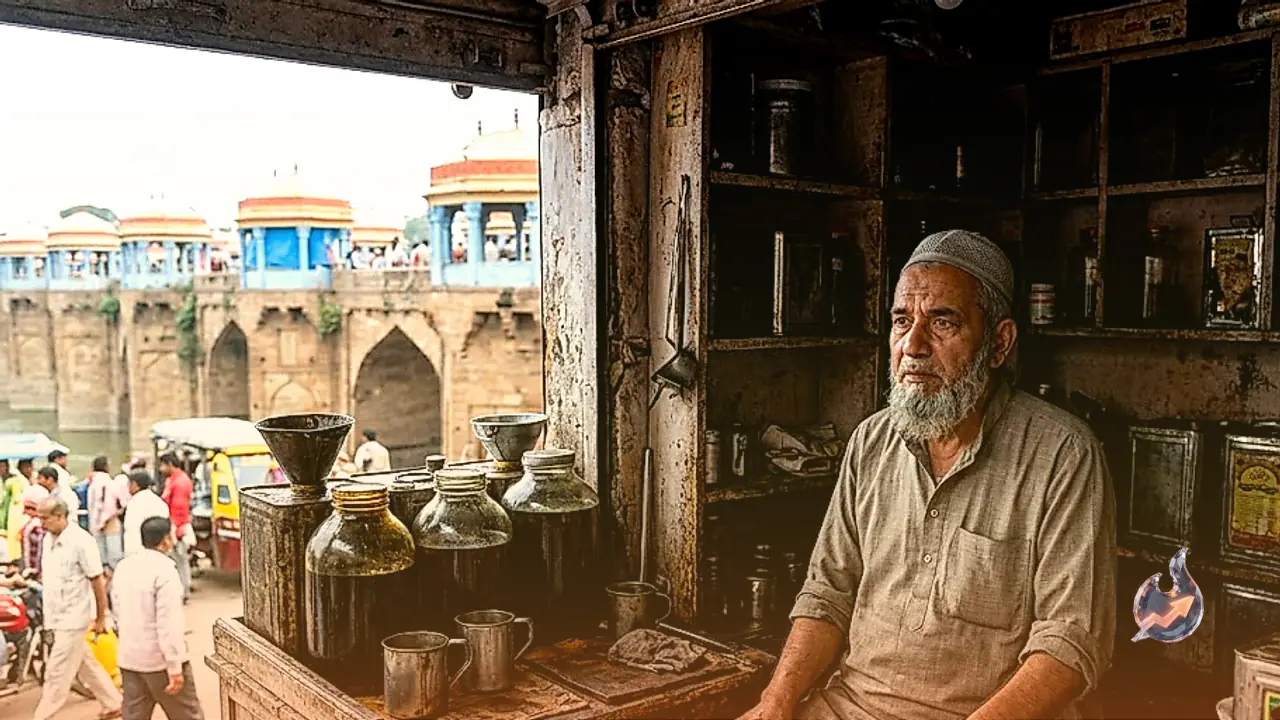

Consumer preferences in Jaunpur are shifting as time progresses, with a wide array of new brands entering the market and drawing customers toward them. This marketplace evolution is directly impacting traditional businesses that once enjoyed a distinct reputation across the country and the world. Right next to Jaunpur's historic Shahi Pul, shops selling sesame oil and jasmine oil used to bustle with activity, and the oil produced here was in high demand far and wide. Today, however, the circumstances have changed drastically, and the vibrancy surrounding this once-famous trade is steadily diminishing.
An Integral Part of Local Heritage
The presence of oil shops around Shahi Pul was never restricted to commercial activity alone; it formed a vital part of Jaunpur's rich historical tradition. People routinely visited these locations to purchase pure sesame oil and fragrant jasmine oil. As times changed, the marketplace flooded with packaged oils and massive corporate brands, leaving an unmistakable negative impact on these ancestral storefronts and their daily operations.
Carrying Forward a Fourth-Generation Legacy
Zaid Ali, representing the fourth generation involved in this traditional enterprise, explains that sesame and jasmine oils enjoyed massive demand in earlier times. Customers placed deep trust in local shops and preferred buying oil prepared through conventional methods. Now, however, consumer tastes are evolving rapidly, with buyers making purchases based on brand names and flashy packaging. Under these conditions, keeping a traditional business afloat that has operated for decades has become an uphill battle.
The Threat of Fading Cultural Heritage
Zaid Ali points out that the tendency to overlook traditional goods affects more than just the shopkeepers; it pushes an entire historical legacy toward extinction. Maintaining the enterprise that his ancestors built through relentless hard work has transformed into a monumental challenge in the modern era. The traditional craftsmanship tied to these products risks being lost entirely if current trends persist.
The Traditional Production Process
Creating sesame oil begins with thoroughly cleaning raw sesame seeds. Following this preparation, the seeds are placed inside a traditional oil-extraction machine or ghani and slowly pressed. This mechanical process extracts the pure oil from the seeds, which is subsequently filtered and separated. Preparing oil through conventional methods demands both substantial time and physical labor. Meanwhile, producing jasmine oil involves an entirely different procedure, utilizing specialized techniques to infuse the natural fragrance of flowers into the oil base, though the exact method relies on the specific raw materials and production style employed.
The Need for Preservation Efforts
Zaid Ali emphasizes that the influence of major corporate brands dominates today's marketplace. Consumers frequently prioritize products featuring eye-catching packaging and aggressive advertising campaigns. Consequently, traditional shops must continuously struggle to carve out a viable space for themselves. The oil shops near Shahi Pul in Jaunpur that once thrived now silently narrate the story of changing times. Experts and locals emphasize that concerted efforts must be made to promote the unique identity, genuine quality, and traditional craftsmanship of local products so that future generations remain connected to Jaunpur's historic trade.