























A notable cooling has been observed in the precious metals market over the past few weeks, with both gold and silver prices recording a significant downward trend. Data indicates that on May 10, the price of 24-karat gold stood at approximately 153,140 rupees per 10 grams. By June 28, this figure dropped to nearly 139,873 rupees, marking a decline of about 13,267 rupees. Similarly, silver prices witnessed a sharp correction, sliding from 262,350 rupees per kilogram to roughly 216,541 rupees, resulting in a reduction of 45,809 rupees per kilogram. This volatility in rates has become a primary point of discussion for both retail buyers and market investors.
The Appeal by Narendra Modi
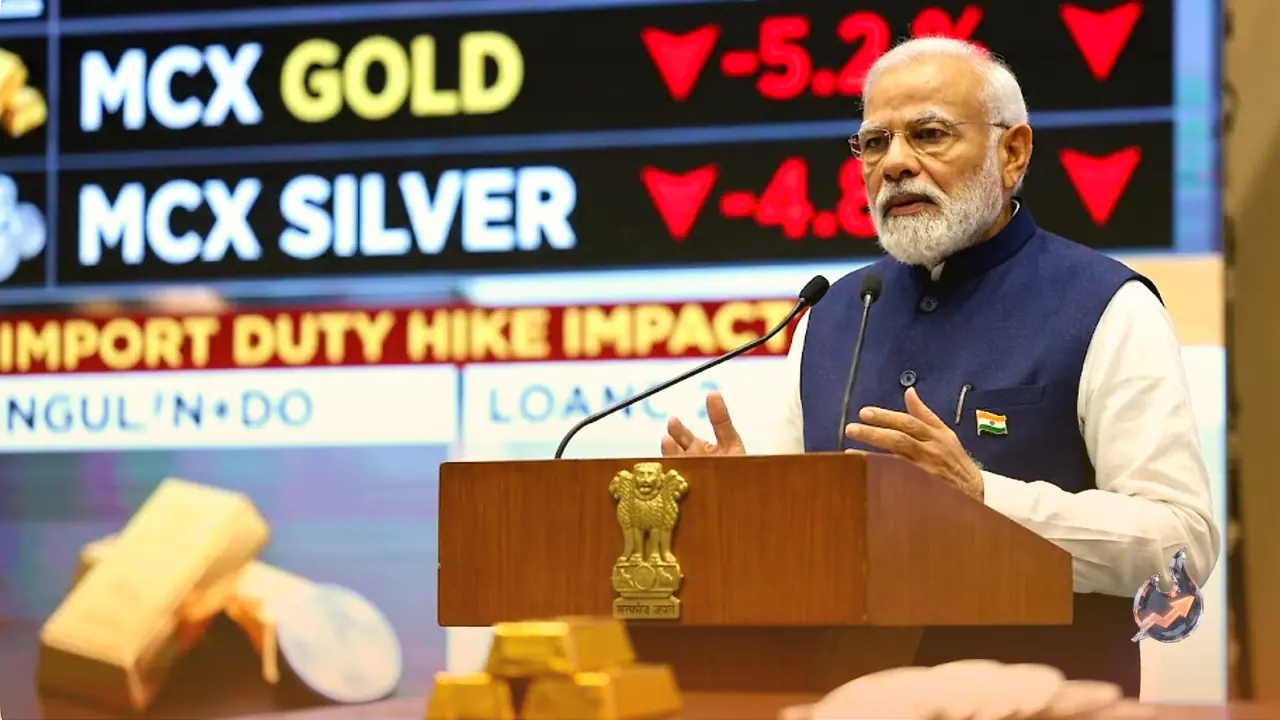
This market environment follows a significant public request made by Prime Minister Narendra Modi on May 10. The Prime Minister urged citizens to avoid non-essential expenditures for the upcoming year, specifically advising against purchases of gold and overseas vacations. The rationale behind this call was to fortify the country's foreign exchange reserves, decrease the demand for US dollars, and manage the growing import bill. At that time, heightened tensions in West Asia and rising crude oil prices prompted the government to take measures to reduce the strain on foreign currency reserves.
Why Gold Imports Matter to India
As one of the world's leading consumers of gold, India relies heavily on imports to satisfy domestic demand. When the volume of gold imports rises, significant amounts of foreign exchange flow out of the country. This trend can exacerbate the trade deficit and place additional pressure on the Indian rupee. Consequently, the government has long prioritized balancing gold imports to ensure the preservation of foreign currency reserves.
The Impact of Higher Import Duties
Following the Prime Minister's appeal, the government implemented a substantial hike in the effective import duty on gold and silver, raising it from 6 percent to 15 percent. This adjustment encompassed changes to both customs duty and the Agriculture Infrastructure and Development Cess. Industry experts suggest that price-sensitive consumers are likely to defer purchases in response, which is expected to dampen both the demand and the overall volume of gold imports in the coming months.
What Lies Ahead for Buyers and Investors
Market analysts note that the current slump in prices is not merely a consequence of government directives but is also influenced by global selling trends in precious metals and domestic policy shifts. Moving forward, the direction of the market will largely depend on international conditions combined with local policy frameworks. Those planning to invest in or purchase gold are encouraged to avoid haste and instead carefully monitor market trends, government announcements, and global economic conditions before committing their capital.