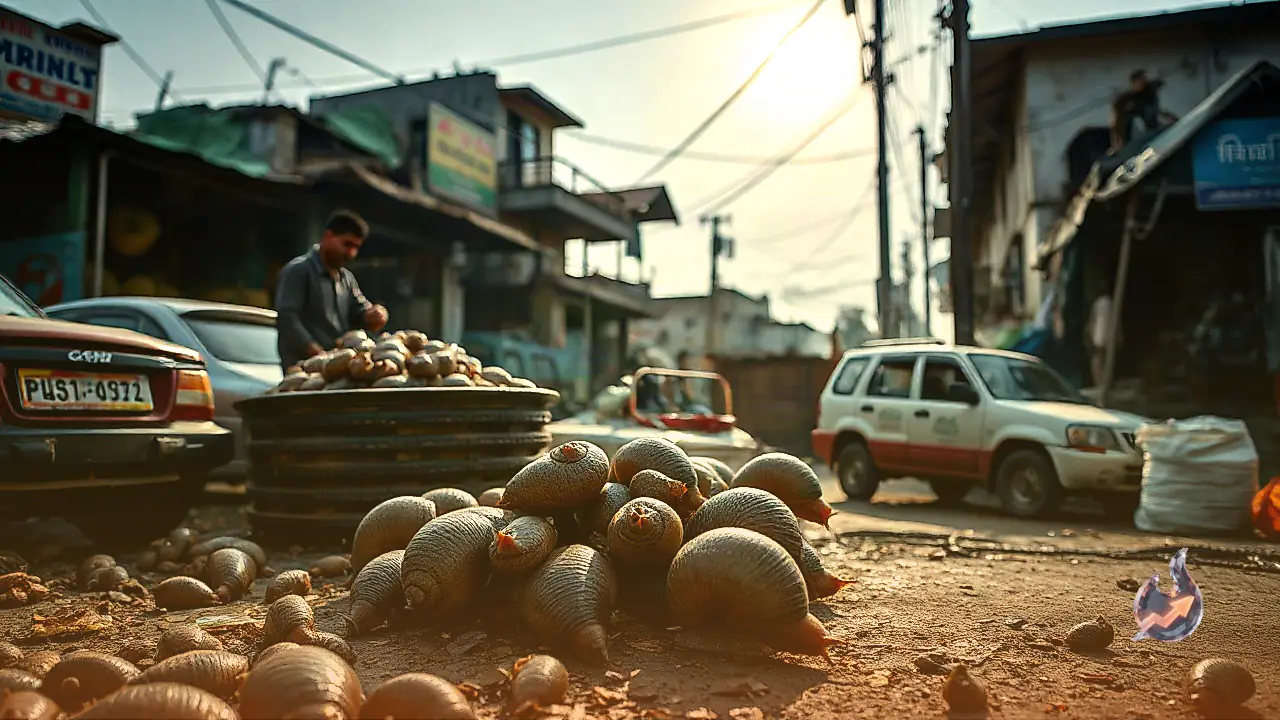


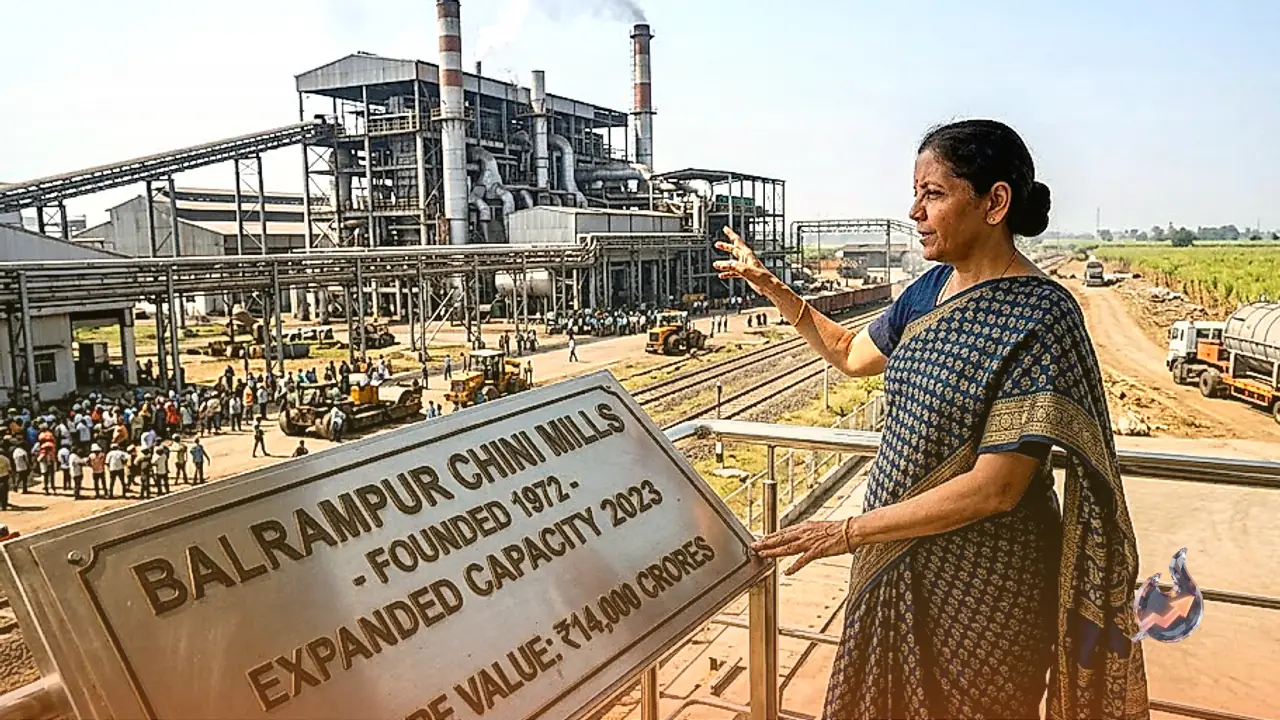
















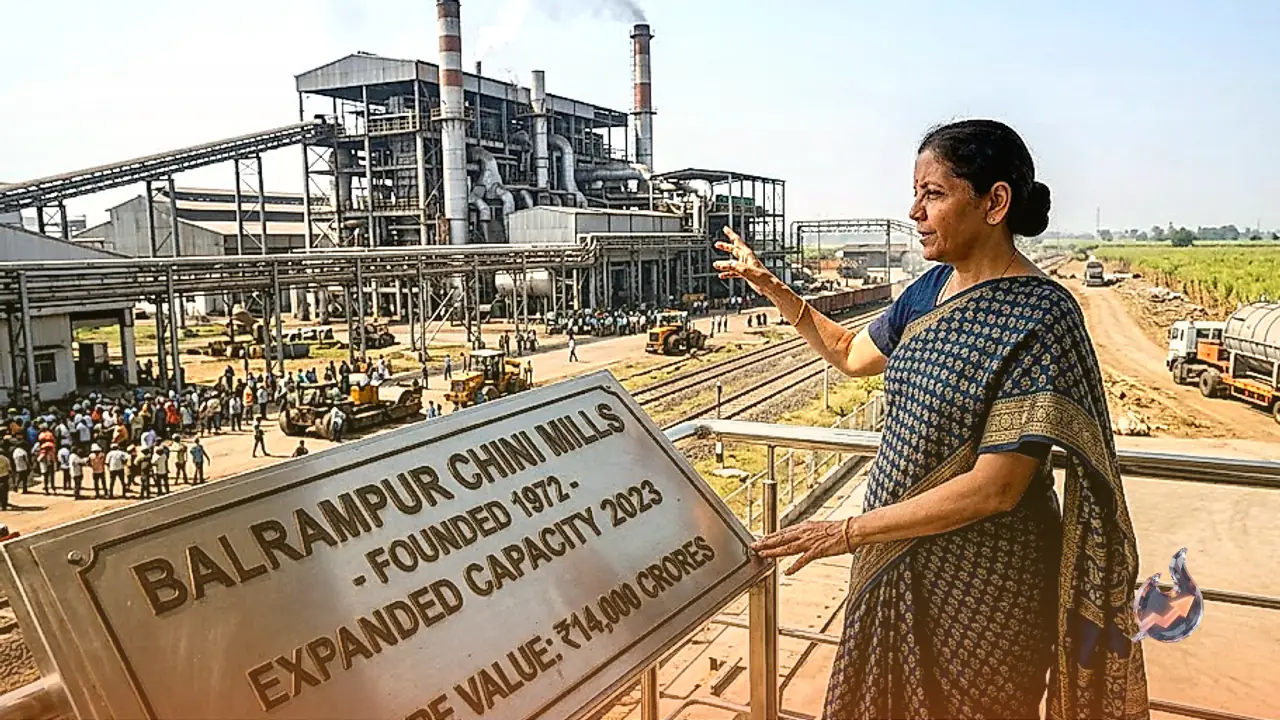

These days, a major topic of discussion across both mainstream media and social media platforms involves an extraordinary cargo. A massive vessel shipped all the way from Belgium on 300 wheels has arrived in India, specifically ordered for a prominent sugar mill situated in the Balrampur district of Uttar Pradesh. Fifty-one years ago, this sugar mill began its journey as a humble, small-scale unit, but over the decades, its business operations have expanded to reach an impressive valuation of around 14,000 crore rupees. Today, Balrampur Chini Mills is recognized across the nation as the second-largest sugar mill in the country, yet few realize that a woman played the most instrumental role in elevating it to such monumental heights.
Foundational Roots and Family Leadership
Balrampur Chini Mills Limited is a publicly listed enterprise trading actively on the stock market. The mill officially commenced operations on July 14, 1975. KN Sarogi played a foundational role in establishing and nurturing the early growth of this enterprise. KN Sarogi was the father of the company's current Chairman and Managing Director, Vivek Sarogi. At present, Vivek holds the reins of the company, while his wife, Sumedha Sarogi, maintains a substantial ownership stake in the enterprise. Furthermore, Vivek's daughter, Avantika Sarogi, actively contributes to the corporate leadership as an executive director. The Sarogi family trust holds a commanding promoter stake in the company, ensuring stable generational oversight.
The Transformative Leadership of Meenakshi Sarogi
The monumental task of scaling Balrampur Chini Mills into a towering industrial giant was spearheaded by Vivek Sarogi's mother, Meenakshi Sarogi. She maintained strict administrative control over sugarcane procurement, timely payments to farmers, production quotas, and supply chain logistics, allowing the enterprise to expand its operations continuously. Under her watchful supervision, the company multiplied its infrastructure from just a single manufacturing unit to a network of 10 operational units. Today, the enterprise extends far beyond sugar production, successfully manufacturing ethanol and generating electricity. This extensive industrial network has inspired thousands of farmers across neighboring districts to pursue sugarcane cultivation as a lucrative livelihood.
Promoter Shareholding and Ownership Structure
According to regulatory disclosures submitted by Balrampur Chini Mills to the stock exchanges in June 2026, the aggregate shareholding of promoters and the promoter group stood at approximately 42.86 percent. Within this structure, the Sarogi family trust alone commands a substantial 24.83 percent stake. Additionally, Vivek Sarogi holds a personal shareholding of 3.68 percent, while Sumedha Sarogi maintains a 2.71 percent ownership stake. Their daughter Avantika also holds a 1.51 percent equity stake in the corporation, cementing the family's deep-rooted financial alignment with the company's long-term corporate trajectory.
Infrastructure Expansion and Production Capacity
When Balrampur Chini Mills was initially established, its daily operational capacity stood at a modest 80 tonnes. In stark contrast, the facilities today possess the massive capacity to consume 80,000 tonnes of sugarcane on a daily basis. To accelerate its business growth and expand regional dominance, the Sarogi family strategically acquired the Tulsipur and Babhnan sugar mills. This expansive industrial apparatus generates an annual revenue of approximately 6,000 crore rupees while serving as the primary source of income for around 500,000 farmers. Currently, the company's active mills operate seamlessly across multiple locations including Balrampur, Babhnan, Tulsipur, Haidergarh, Akbarpur, Rauzagaon, Mankapur, Kumbhi, Gularia, and Maijapur.
Detailed Financial Breakdown and Revenue Streams
During the previous financial year, Balrampur Chini Mills registered a robust total turnover of 6,271 crore rupees. In the preceding financial year, the recorded business turnover stood at 5,415 crore rupees, highlighting steady year-on-year financial growth. Breaking down the revenue streams for the latest period, sugar operations constituted the largest share at 5,507 crore rupees, while the distillery segment contributed a formidable 1,721 crore rupees. Additionally, the company generated 23.9 crore rupees from polylactic acid (PLA) operations and 13.9 crore rupees from other allied business activities, reflecting a diversified and resilient commercial foundation.