
























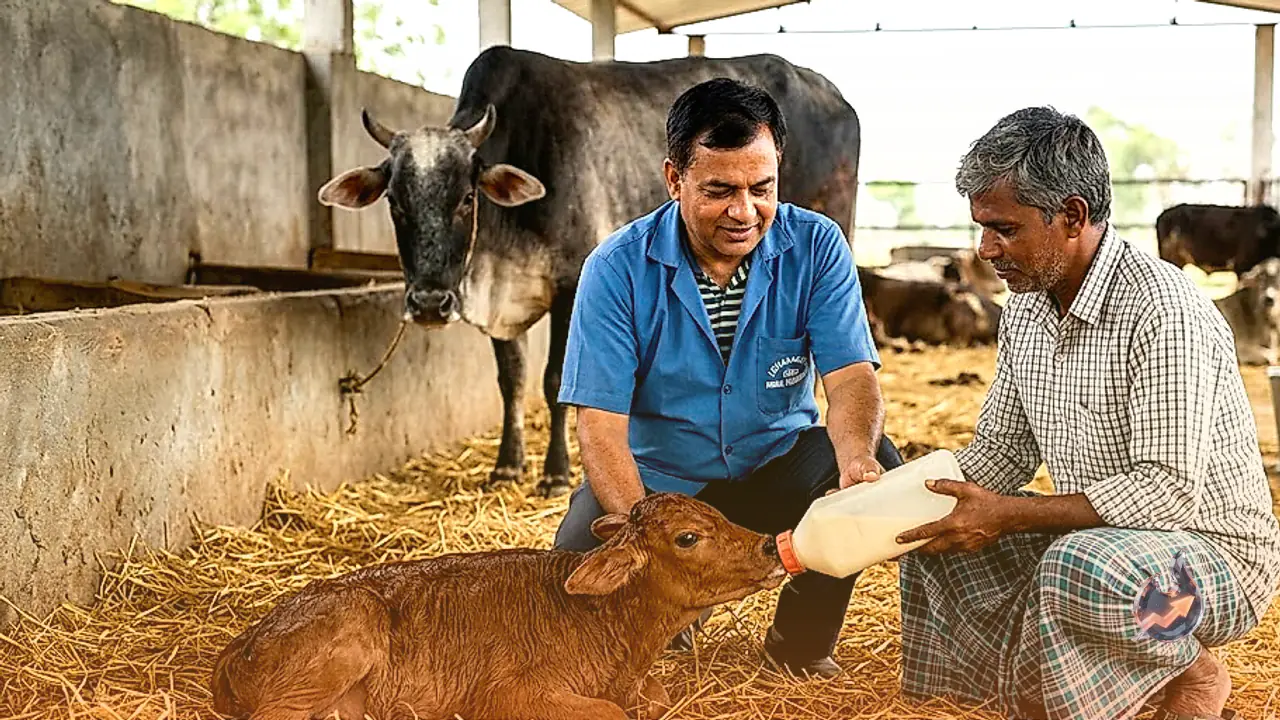

Animal husbandry has long served as a fundamental pillar of the rural economy, traditionally carried out alongside crop cultivation in rural households. Over recent years, the scope of livestock management has expanded significantly, with many individuals adopting commercial dairy farming to boost their revenues. Farmers are increasingly adopting modern housing facilities and systematic feeding routines to maximize productivity. However, initiating cattle farming without adequate technical training frequently leaves livestock owners unaware of essential management practices, ultimately resulting in avoidable financial setbacks. Addressing these concerns, Dr. Prakash Chandra Himanshu, Assistant Poultry Officer cum Veterinarian at the Jehanabad District Animal Husbandry Office, emphasizes that starting any enterprise without proper training poses severe long term risks, whereas practical knowledge empowers farmers to provide timely care.
The Crucial Role of Training in Modern Dairy Operations
The operational success of a dairy enterprise relies heavily on scientific management and timely medical interventions. A frequent issue in rural areas is that farmers invest in high yielding cattle without acquiring foundational training regarding prenatal and postnatal care. Dr. Himanshu explains that formal training equips livestock owners with the skills needed to handle critical situations during calving. When farmers understand the biological needs of their animals, they can prevent post birth complications, ensure animal wellbeing, and protect their daily farm income.
Addressing Misconceptions Surrounding Post Calving Care
A prevalent tradition among many livestock owners is isolating the newborn calf immediately after delivery until the cow or buffalo successfully expels the placenta. Farmers often operate under the misconception that feeding milk before placenta discharge is harmful to the newborn. Experts clarify that this practice is scientifically flawed. Separating the calf deprives it of vital early nutrition, which is essential for building strong immunity. Consequently, calves that do not receive immediate milk become highly susceptible to infections and growth stunting later in life.
Hormonal Mechanisms and Natural Placenta Discharge
From a biological standpoint, allowing the newborn calf to suckle immediately after birth offers direct medical advantages to the mother. When the calf latches onto the udder, it instantly triggers the secretion of the hormone oxytocin within the mother's body. Oxytocin promotes the expansion of the uterine opening, enabling the placenta to detach and discharge naturally. Delaying suckling inhibits this hormonal pathway, leaving the mother in prolonged discomfort and causing delays in placenta expulsion.
Risks Associated with Manual Placenta Extraction
When placenta discharge is delayed, farmers frequently panic and summon local uncertified practitioners to extract the placenta manually. Dr. Prakash Chandra Himanshu warns that manual extraction is an extremely hazardous procedure. Forcing the placenta out artificially introduces severe risks of uterine infections and internal injury. Such complications severely compromise the health of the animal, leading to chronic illness and a sharp decline in milk production levels. Farmers are strongly advised to rely on natural hormonal mechanisms triggered by calf suckling and consult certified veterinary professionals whenever complications arise.


