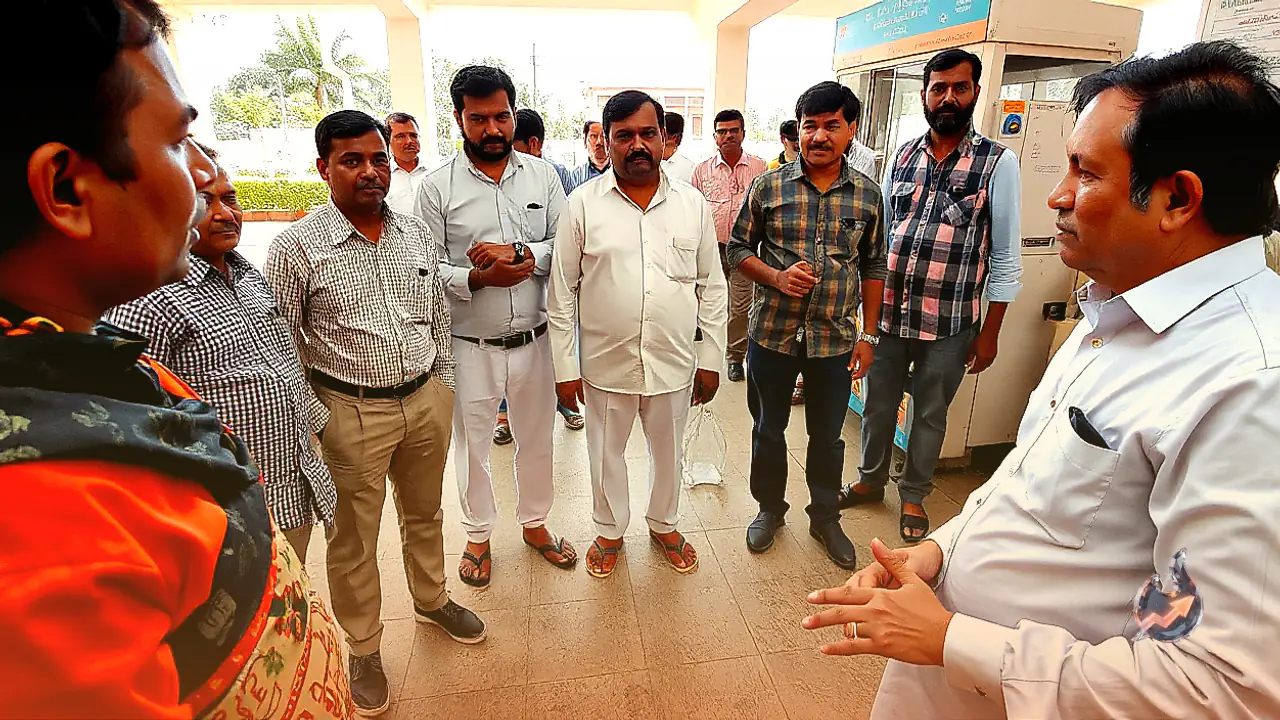

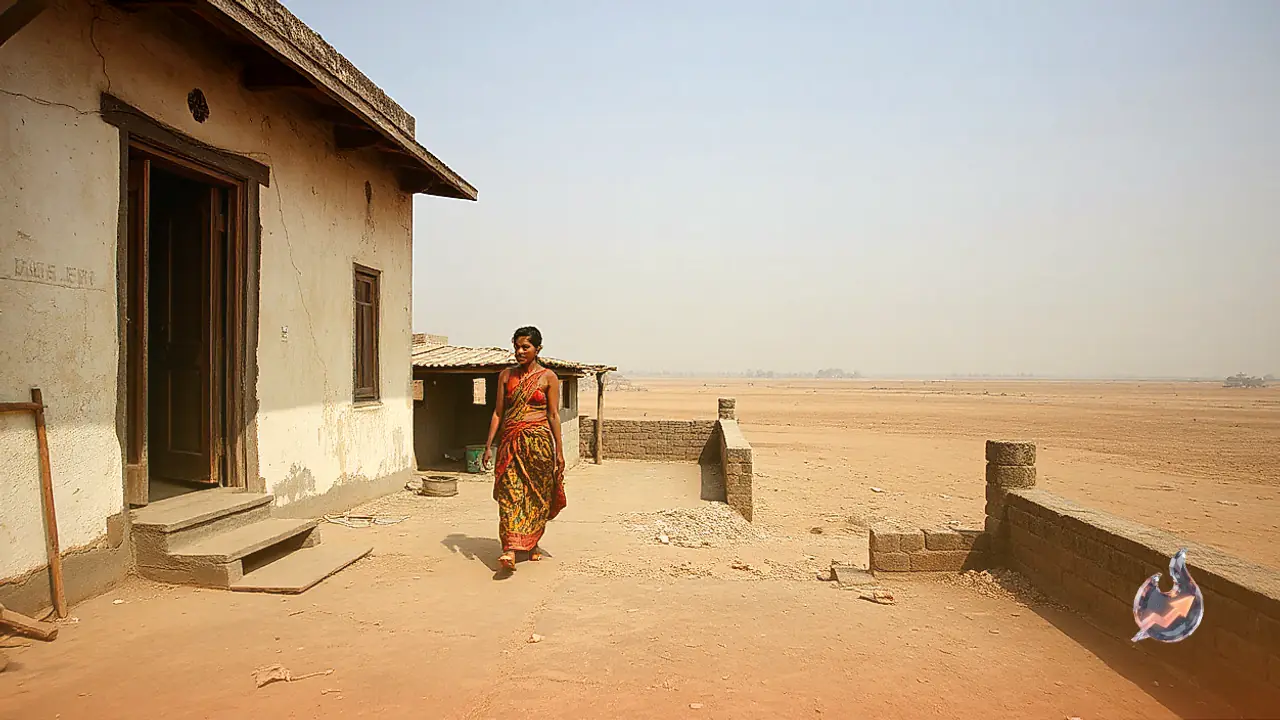
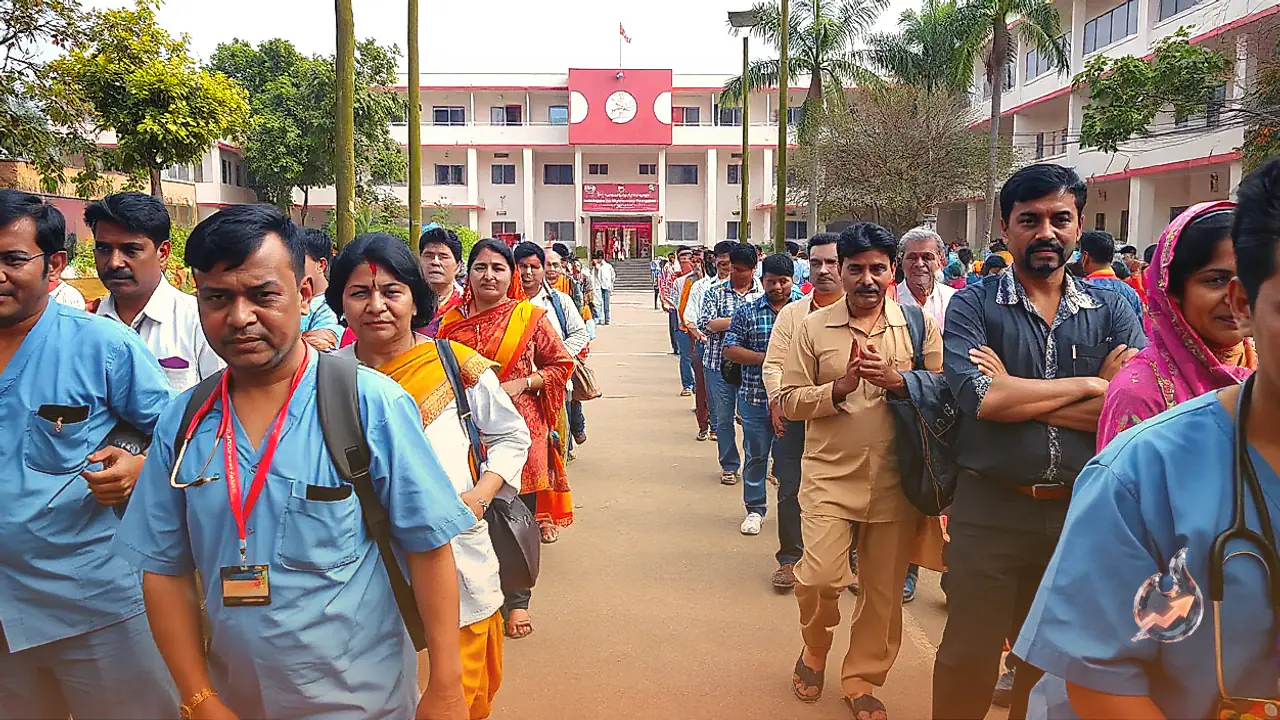
















Women staying within their homes and showcasing their hidden talents in Prayagraj have demonstrated that determination can transform any simple skill into a thriving business venture. These local women are handcrafting beautiful lamps and decorative idols utilizing cow dung, generating respectable earnings in the process. Once subjected to local taunts and skepticism regarding this unconventional craft, these women now find their handmade lamps and idols in high demand across neighboring districts and even distant states. Particularly during the festive season of Diwali, the market requirement for their eco-friendly creations surges significantly. Operating under the banner of the Vartika Self Help Group, these women remain safely indoors while meticulously shaping each item, successfully carving out a distinct economic identity for themselves.
The Journey Began During Ganesh Chaturthi Celebrations
The foundational framework of this entire enterprise was envisioned by Vartika Dwivedi. Sharing details about the initiative, she explained that the group was established roughly six years ago. The venture originated during the auspicious days of Ganesh Chaturthi when a few women gathered together and collectively crafted Gauri-Ganesh idols. This collaborative effort sparked the core concept of manufacturing eco-friendly, sustainable goods entirely from cow dung. Subsequently, local women were organized into a formal collective to expand operations systematically. However, the initial phase was far from straightforward. When community members learned about manufacturing household goods using cow dung, they openly mocked the idea. Many skeptics taunted the founding members, questioning how far women could possibly progress by selling processed animal waste. Despite facing persistent discouragement, the group persevered and continued their work.
Setting Ambitious Targets For Lamps And Idols
The collective traditionally aims to produce between five thousand to ten thousand lamps and idols annually. This season, however, the volume of manufactured idols has successfully crossed the ten thousand mark. The production cycle encountered seasonal obstacles due to heavy rainfall, which created significant difficulties in drying the clay and dung artifacts naturally. To overcome this hurdle and meet delivery schedules, several idols had to be dried using artificial blow dryers. Despite these operational challenges, the dedicated group completed their production quota on time, and the vast majority of the items have already been dispatched for sale. Furthermore, to formalize and expand the commercial aspects of the business this year, official applications for GST registration have also been submitted.
Expanding Network Across Multiple States And Professional Training
The enterprise has expanded remarkably, connecting over 400 women to its production network. Beyond the borders of Prayagraj, participating women hail from Kaushambi, Lalitpur, Firozabad, Kasganj, Banda, Farrukhabad, Bulandshahr, and even Jaisalmer in Rajasthan. Vartika personally travels to various districts to impart professional training in this craft to other interested women. She credits the District Urban Development Agency affiliated self-help groups for providing the initial platform that enabled her to launch the venture. Later, she acquired formal vocational training through the Baroda Self Employment Development Institute. Currently, utilizing the platform of the same institute, she travels across different districts to train fellow women, empowering them to become self-reliant.
The Unique Blend Of Cow Dung And Sacred River Soil
Shalini Srivastava, who has been associated with the collective since 2022, shared that she previously lacked any formal source of income and held a strong desire to accomplish something independently. Upon joining the self-help group, she was entrusted with the task of creating idols using a mixture of cow dung and sacred Ganges river soil for the Diwali festival. Initially, local acquaintances passed cynical remarks regarding her occupation, but she chose to ignore the negativity entirely. Today, those same individuals approach her directly to purchase decorative lamps and idols for their households.
Looking Ahead With A Target Of Fifty Thousand Idols
Rama Malik, another core member of the collective, mentioned that a dedicated stall has been established by the women in the Bahrana area, featuring nearly five thousand lamps and idols displayed for public purchase. Through these commercial efforts, all participating members are actively contributing to the financial support of their households. Looking toward the future, Vartika has established an ambitious target to manufacture between 25,000 and 50,000 idols next year, ensuring that an even larger number of women can be integrated into this sustainable livelihood model.