



















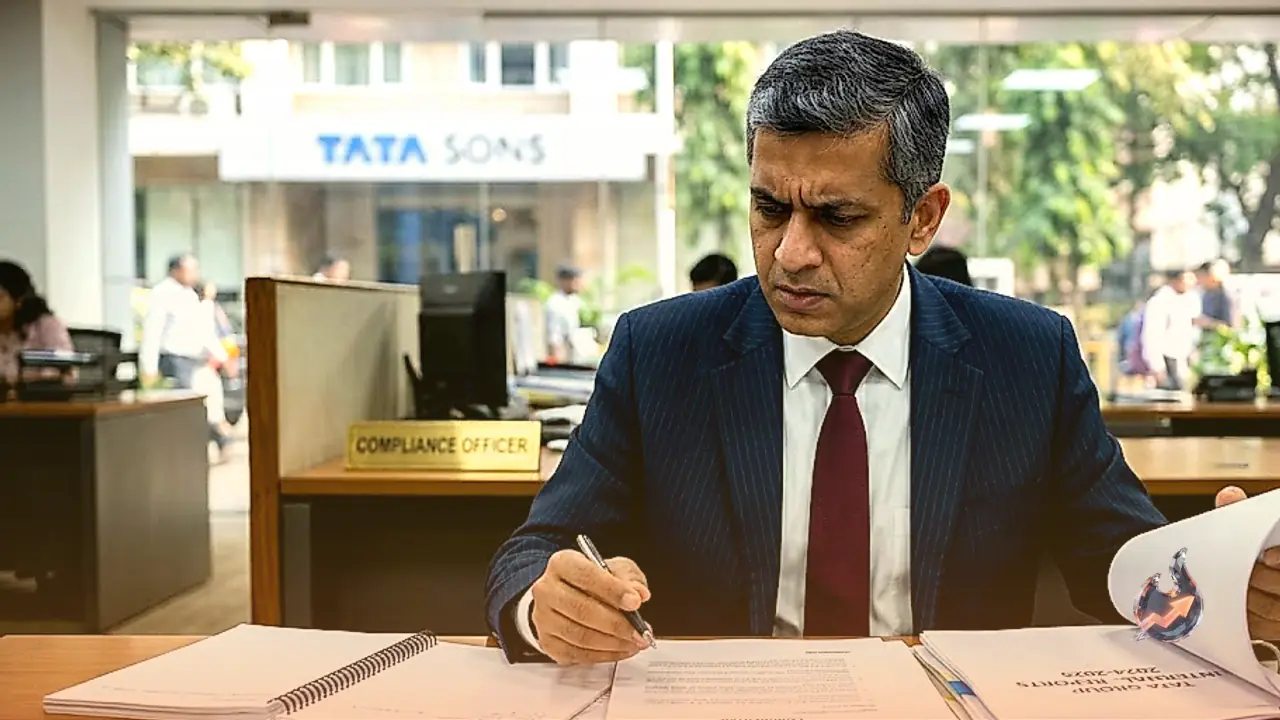

A severe corporate governance challenge has surfaced at the core of the Tata Group, revealing that internal discontent was brewing long before leadership differences became public. More than 12,000 whistleblower complaints have been lodged across the conglomerate since the financial year 2022, a timeline that marks the beginning of the second term of Tata Sons Chairman N Chandrasekaran. This steep buildup of internal alerts underscores widespread governance and operational worries across the group's diverse operating companies.
Massive Concentration of Complaints Recorded Post-2024
Data highlights that an overwhelming 80 percent of these alerts, translating to roughly 9,600 grievances, were reported from 2024 onward. Such an unprecedented spike in formal whistleblowing filings indicates that friction and operational anxieties accelerated dramatically in recent months. The timing demonstrates that internal disquiet had intensified significantly across group entities well before the executive discord broke into the open.
Leadership Tensions and Escalating Financial Repercussions
These disclosures emerge against the backdrop of an intensifying struggle between Tata Trusts and Tata Sons. Disputes between Noel Tata and N Chandrasekaran over management reappointment, leadership direction, and the prospective Tata Sons initial public offering have raised structural questions. Noel Tata voiced reservations that listing Tata Sons could fundamentally alter the conglomerate's 150-year-old operational framework, advocating alternative restructuring paths instead of an immediate public debut.
Simultaneously, proceedings involving Mehli Mistry before the Maharashtra Charity Commissioner further heightened scrutiny over the governance of the trusts. The prolonged executive deadlock took a measurable financial toll, wiping out approximately 39,000 crore rupees in group market capitalisation during peak tensions. Together with the tally of 12,000 whistleblower alerts, the broader timeline demonstrates that operational strain and internal friction had been accumulating across the conglomerate for nearly four years.