






















Aquaculture farmers struggling to secure fair prices in wholesale markets now have a practical pathway to substantially lift their margins. Addressing the persistent issue of low market returns, Dr. Rajendra Prasad Central Agricultural University in Samastipur has introduced a focused technical program built around value addition. Agricultural scientists at the university are stepping in to train cultivators on transforming regular raw fish into diverse packaged edible products, thereby boosting consumer demand and creating much higher market margins.
Transforming Raw Harvests into High-Margin Food Items
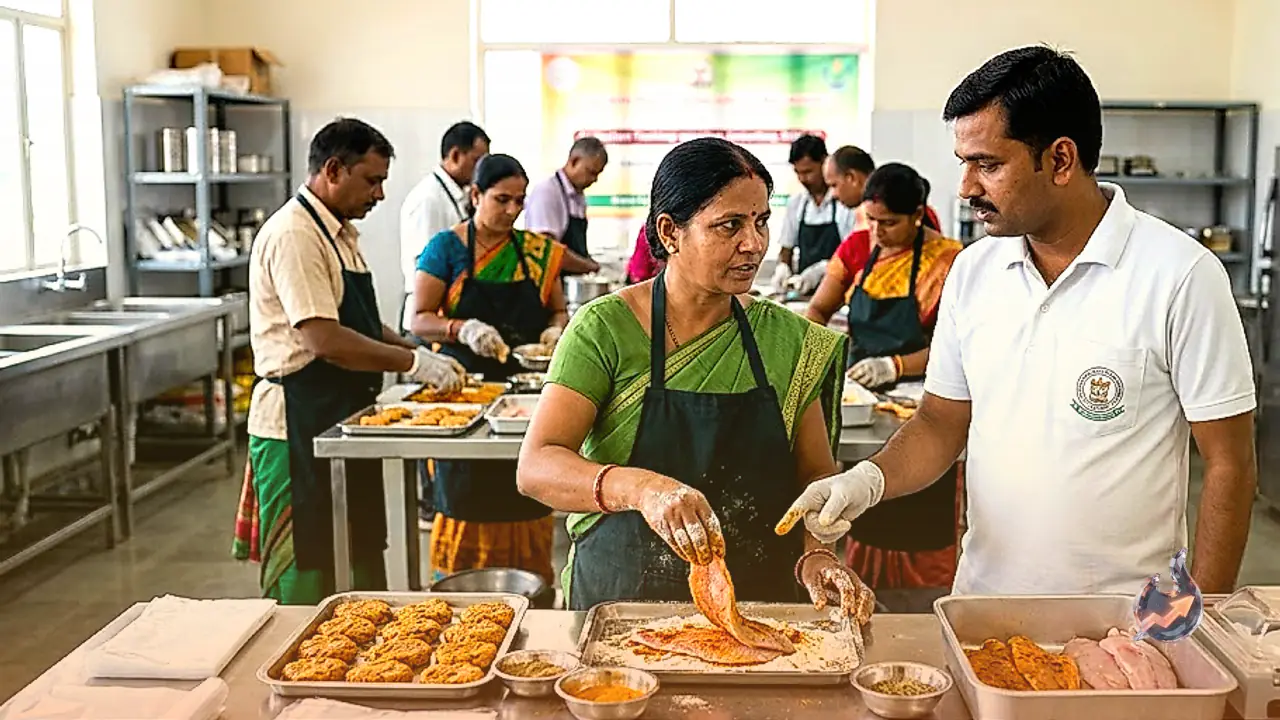
Under this initiative, farmers will learn processing techniques that allow fish normally fetching around 150 rupees in the open market to yield up to 300 rupees through targeted value addition. University specialists are providing hands-on practical demonstrations so cultivators understand the exact steps required. Processing fresh catch into secondary food items significantly extends shelf life and opens doors to premium retail segments, helping rural producers escape the trap of distress selling during peak harvest gluts.
Government-Backed Project Offers Free Practical Training
Details regarding the rollout were shared by Dr. P.P. Srivastava, Head of the Fisheries Department at the university's agriculture-affiliated college. He noted that his department has launched a dedicated project designed specifically to educate and train fish farmers on every phase of post-harvest processing, ensuring a tangible expansion in their overall earnings.
According to Dr. P.P. Srivastava, the university received this project from the government to develop specialized edible commodities derived from fisheries. Scientists are actively testing and formulating diverse food preparations so that fish farmers move beyond selling perishable raw fish alone. Expanding into specialized food items allows producers to capture downstream profits that typically go to intermediaries. Importantly, the university is delivering this training completely free of cost to farmers, and interested individuals can approach the department directly to participate.
Tackling Aquatic Diseases and Mastering Farm Management
The curriculum extends well beyond post-harvest value addition to cover essential fundamentals of freshwater pond management. Dr. P.P. Srivastava emphasized that participating farmers will also be trained to identify early symptoms of common fish illnesses, evaluate water-quality stress, and administer accurate clinical treatments before infections escalate across ponds.
Agricultural authorities point out that mastering scientific rearing, timely disease control, proper hygiene, and post-harvest culinary manufacturing equips farmers to become truly self-reliant entrepreneurs. By aligning farm output with evolving consumer markets and maintaining strict food quality standards, rural fish producers can secure stable, elevated incomes. Both active fish farmers and new entrants planning to venture into aquaculture are eligible to reach out to the university's fisheries department for comprehensive guidance and skill development.