


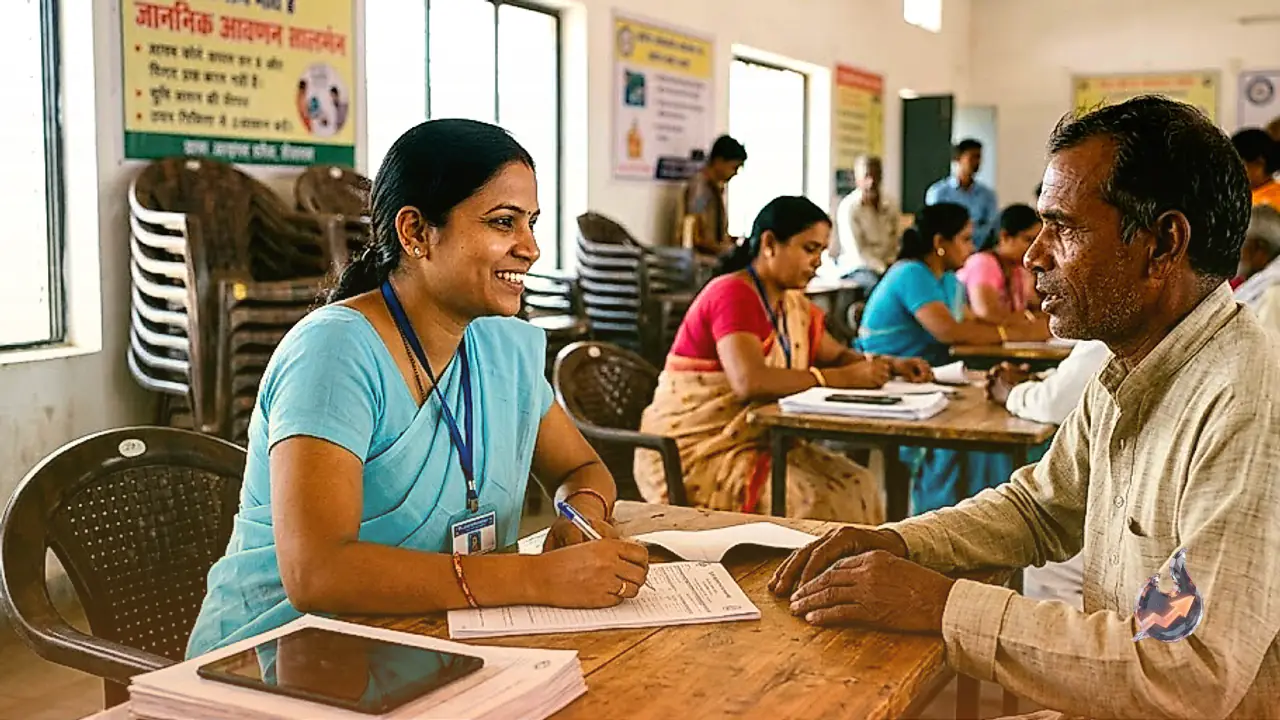


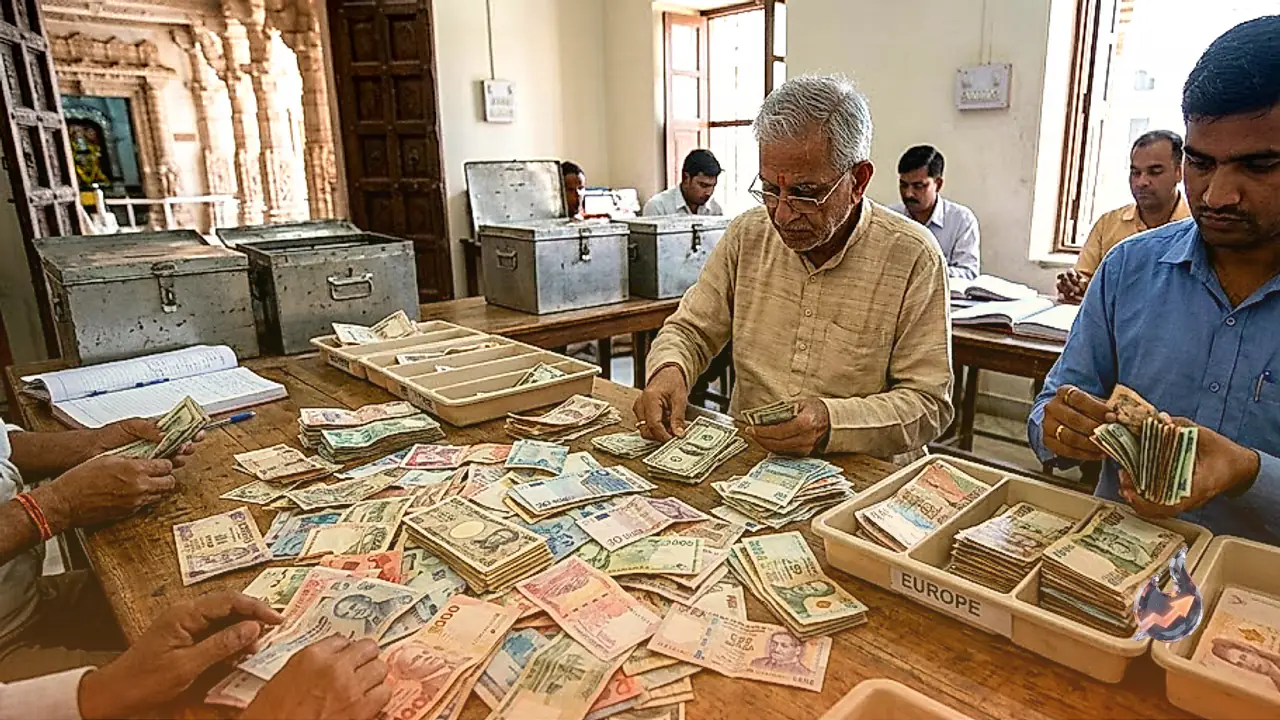















Administrative preparations for the upcoming second phase of the census are gaining rapid momentum across Chhattisgarh. The Directorate of Census Operations in Chhattisgarh is currently drafting plans to train enumerators and deploy them in field areas for the upcoming phase slated to begin in February 2027. Following a long gap of nearly 96 years, the official census data in the country will once again incorporate a detailed record of the societal caste structure.
This marks the first occasion since independence that caste-based details are being integrated directly into the regular census figures. This historic move will help bring the precise and accurate standing of various social groups to the forefront. During this exercise, enumerators visiting households will collect fundamental details about every family member alongside, for the very first time, the birth dates and birthplaces of their parents.
The primary objective behind gathering this data is not merely to compile numerical population figures for the state and the nation, but rather to present a transparent and clear depiction of the societal fabric through caste-wise information. The headcount of different communities and their social distribution will serve as a crucial foundation for future policy formulation and the effective execution of government welfare programs.
The data collection procedure has been kept extremely uncomplicated and straightforward for the general public. Throughout the enumeration process, whatever oral details citizens provide regarding their caste or family background will be accepted as authentic and officially recorded. Citizens will not be mandated to present caste certificates, birth certificates, or any other physical or digital paperwork whatsoever.
Options will remain available in alignment with the notified state lists for Scheduled Caste and Scheduled Tribe citizens, while separate columns have been allocated to record information concerning other communities. During the socio-economic and caste census conducted in 2011, citizens were similarly asked about their caste, resulting in the emergence of over 45,000 distinct caste and community names nationwide.
Organizing and categorizing such a massive volume of names proved to be a massive administrative challenge at that time. To prevent a recurrence of this hurdle, modern technological solutions have been devised for the upcoming exercise. In this digital census, artificial intelligence and advanced software will be utilized to properly organize and classify caste-related data into distinct categories.