


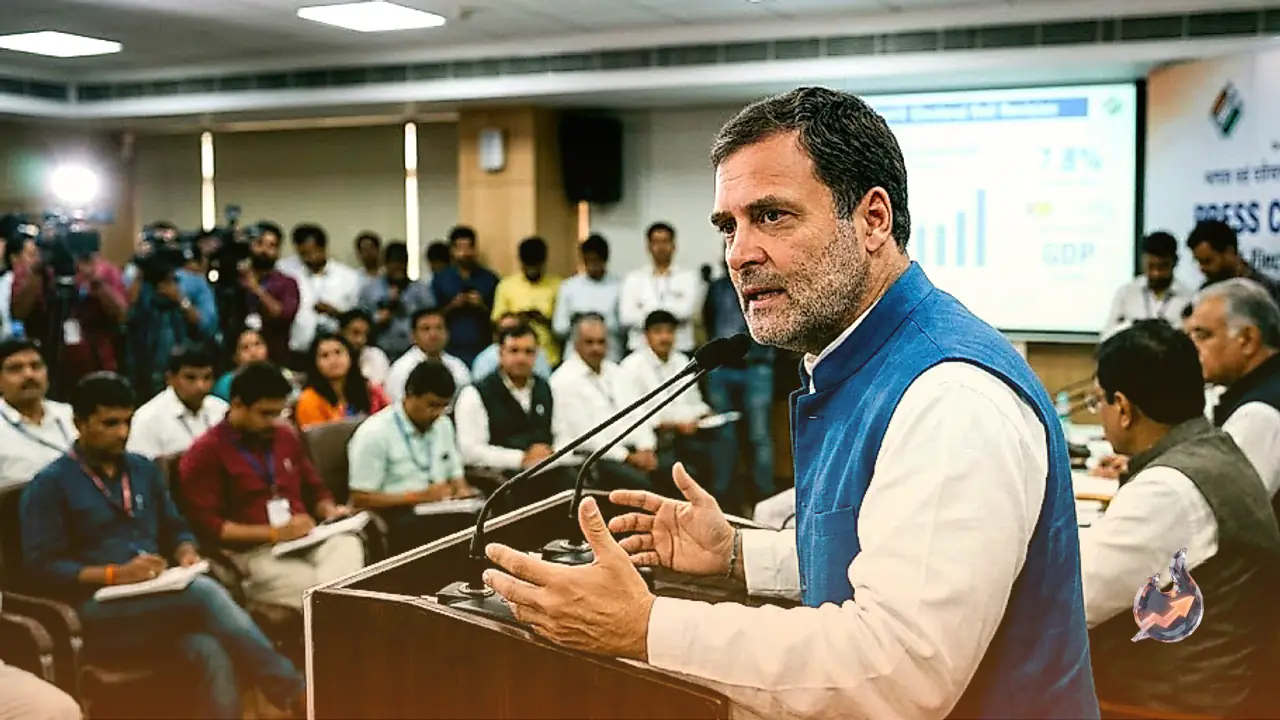


















Chhattisgarh has created a historic milestone in rainwater harvesting and groundwater recharge efforts across India. In the third phase of the 'Jal Sanchay Jan Bhagidari' (JSJB) and 'Catch the Rain' campaign organized by the Union Ministry of Jal Shakti, the state secured the first rank in the entire nation. This prestigious national recognition was highlighted during a departmental summit of the Jal Shakti Ministry held at Sushma Swaraj Bhawan in New Delhi. In the presence of Prime Minister Narendra Modi, Chief Minister Vishnu Deo Sai and Deputy Chief Minister Arun Sao presented the details of Chhattisgarh's comprehensive water conservation strategies, emphasizing community participation, groundwater replenishment, and the long-term preservation of drinking water sources.
National Presentation of the Water Conservation Model
Addressing the national summit, Chief Minister Vishnu Deo Sai outlined how Chhattisgarh successfully transformed water conservation from a traditional government project into a vibrant mass movement. The initiative brings together local panchayats, farmers, and rural communities to work collectively towards water security. Sharing a personal perspective, the Chief Minister remarked that he comes from a farming family and has personally ploughed agricultural fields in his native village of Bagiya. This firsthand connection to the land makes him deeply understand the critical value of water for rural livelihoods. Representing approximately 4 percent of India's total geographical area, Chhattisgarh has set an inspiring example for other states through its sustained commitment to water harvesting.
The 5 Percent Land Model from Koriya District
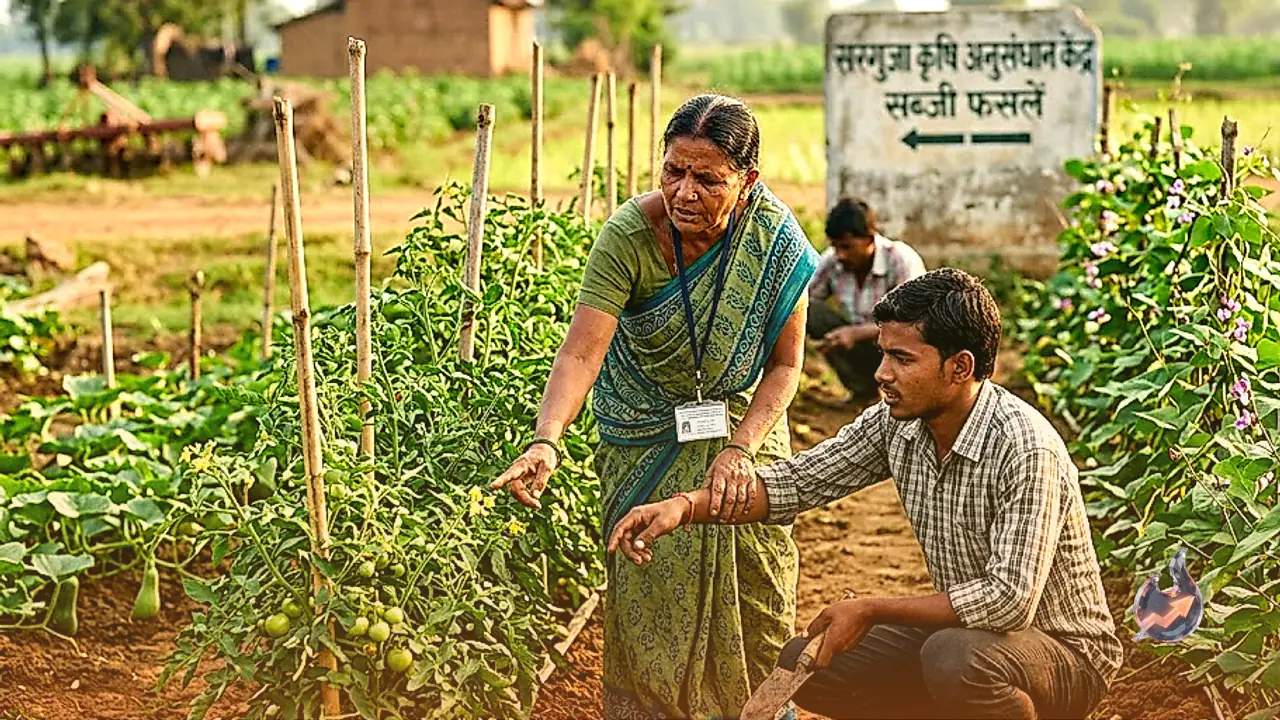
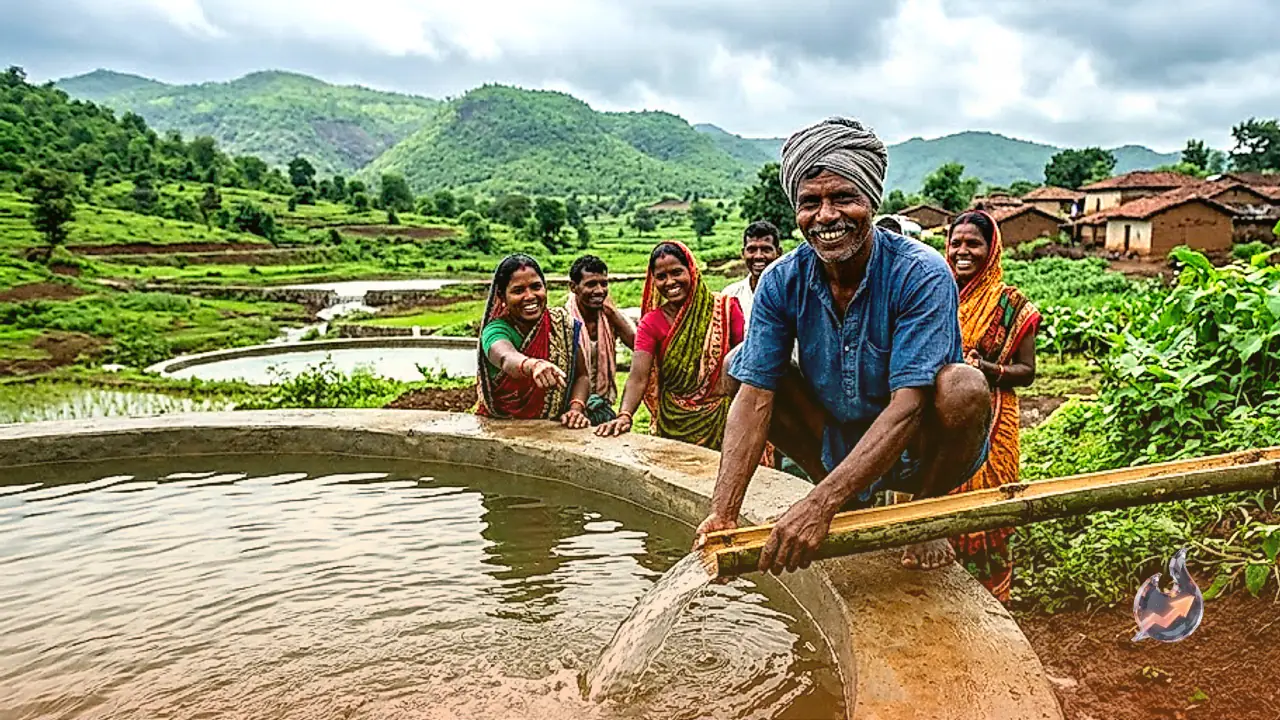
A central pillar of Chhattisgarh's water harvesting framework is the innovative 5 Percent Model, which originally began in Koriya district. Under this voluntary program, local farmers dedicate 5 percent of their agricultural land specifically for constructing groundwater recharge structures. On these designated land parcels, specialized rainwater collection structures are developed to intercept surface runoff and allow water to percolate slowly into the subsoil. As rainwater accumulates in these farm ponds and percolation pits, it gradually restores subsoil water tables. This continuous replenishment enhances water levels in surrounding wells and borewells, ensuring dependable water availability for agricultural irrigation as well as daily domestic consumption. The operational model relies on structured inter-departmental coordination, precise digital geo-tagging of structures, regular administrative monitoring, and ground execution supported by local cadres like Jal Sakhi and Jal Mitra.
Phase-wise Achievements and Data Breakdown
Chhattisgarh's performance across all three phases of the Jal Sanchay Jan Bhagidari campaign reflects remarkable scale and administrative focus. In the initial phase, known as JSJB 1.0, the state constructed a total of 4,05,561 water conservation structures, earning the second position nationwide. In the second phase, JSJB 2.0, a total of 24,07,456 water structures were registered across the state, out of which 23,07,768 structures were fully completed, again securing the second position nationally. Building on this solid foundation, Chhattisgarh achieved the top rank in India during the third phase, JSJB 3.0. In this phase, out of 79,775 registered structures, 77,719 have already been completed, establishing Chhattisgarh as the nation's leading state in rainwater harvesting execution.
Top District Performers and Decline in Water-Scarce Blocks
The state's top position is driven by exceptional execution at the district level. Five districts from Chhattisgarh successfully earned places among the top 10 performing districts in India. These leading districts are Surajpur, Mahasamund, Balod, Baloda Bazar-Bhatapara, and Kabirdham. Driven by active involvement from rural residents, gram panchayats, and local community groups, these districts completed conservation projects rapidly. The cumulative impact of these efforts is already visible in regional groundwater hydrology. The number of water-deficient blocks in Chhattisgarh has dropped significantly from 26 down to 19. Additionally, five blocks previously designated in the critical water stress category are expected to recover and transition back into normal groundwater status.
Four Key Policy Recommendations Submitted to the Centre
To make water conservation efforts more effective across India, Chief Minister Vishnu Deo Sai submitted four policy recommendations to the central government during the summit. First, he recommended that every state should formulate its own customized 'Catch the Rain' plan tailored to its specific geography. Second, he proposed instituting 'State Water Awards' to encourage healthy competition among states. Third, he emphasized compulsory mapping of all water conservation structures across the country using BISAG-N technology. Fourth, he suggested holding mandatory quarterly review meetings chaired by the Chief Secretary in every state. Deputy Chief Minister Arun Sao reiterated that Chhattisgarh is eager to share its successful experiences and community models with other states to strengthen national water security.