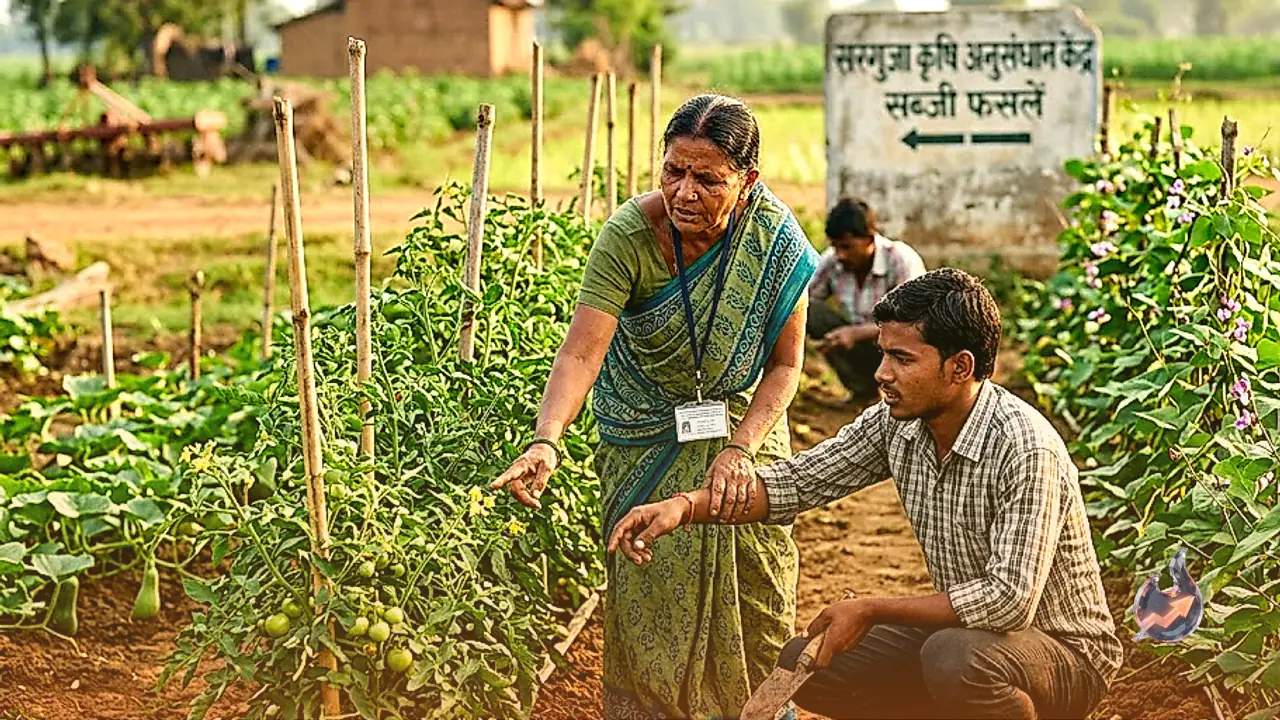






















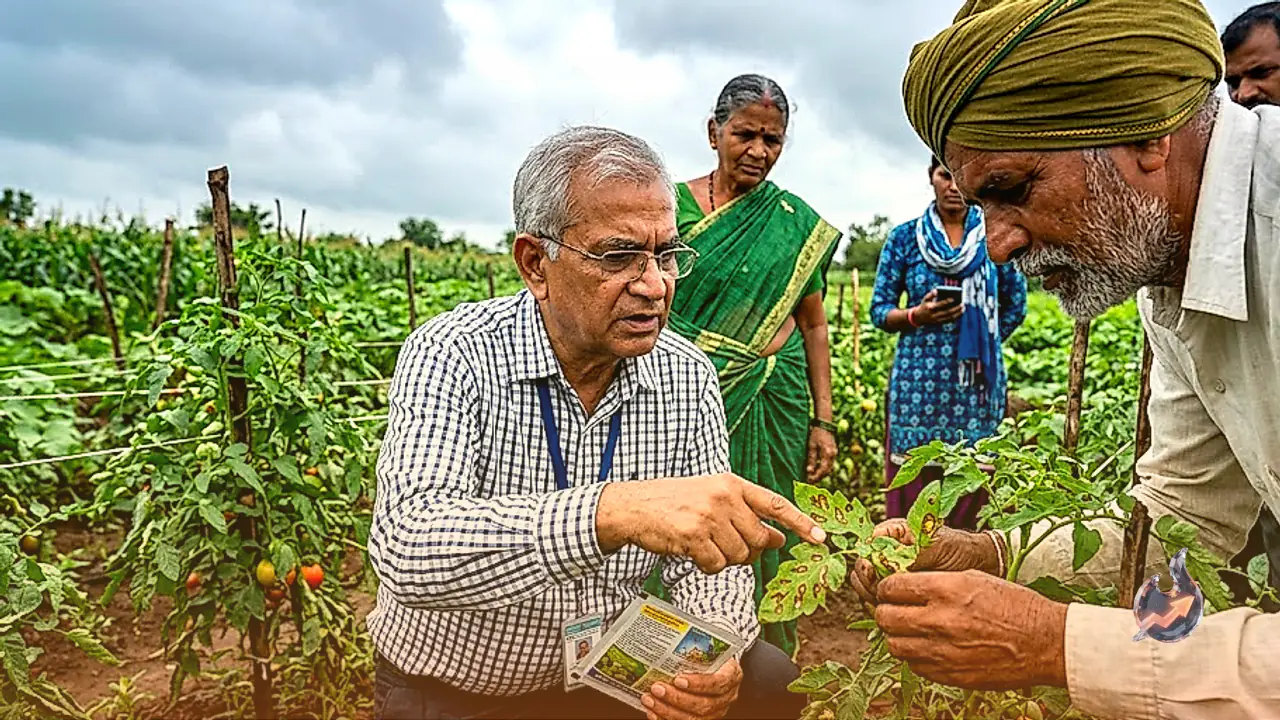

Days of relentless rain and rising humidity in Balod are turning into a serious threat for vegetable growers. Dr Baldev Agrawal, a subject matter specialist at the Krishi Vigyan Kendra in Balod, has warned farmers that pest and fungal infections multiply rapidly during the monsoon, and if timely action isn't taken, an entire crop can be wiped out within just a few days.
Why the fungal risk is climbing
According to Dr Agrawal, humidity levels stay consistently high through the monsoon, creating ideal conditions for fungus to spread quickly. He pointed to a clear warning sign, if a region goes without sunshine for three to four consecutive days, fungal diseases such as downy mildew and powdery mildew begin showing up in vegetable crops from the fifth day onward. That, he said, is exactly why farmers should not wait for an outbreak to appear before acting, since once an infection takes hold it becomes far harder to contain.
Early-stage control makes all the difference
Dr Agrawal explained that suitable fungicides such as Bavistin and Ridomil, sprayed at the right time, can bring these diseases under control. The most effective approach, in his view, is applying a preventive spray before symptoms even show up. Crops stay fully protected when action is taken at the earliest stage, but once a disease has spread widely, the medicine's effectiveness drops sharply, and in many cases the entire crop ends up ruined.
How to spot the warning signs on leaves
The agriculture scientist also walked farmers through how to recognise early symptoms in detail. For those growing cucurbit vegetables such as cucumber, kakdi, bottle gourd, pumpkin, watermelon, muskmelon, bitter gourd and ridge gourd, a white powdery layer on the upper surface of leaves is the first sign of powdery mildew. Downy mildew, on the other hand, develops on the underside of leaves and causes yellow patches to appear on top. If leaves show round, ring-like marks, that could be a sign of Alternaria disease. His advice is simple, the moment any of these symptoms appear, farmers should consult an expert immediately and spray the appropriate medicine so the infection doesn't spread to other plants.
Not every yellow leaf means disease
Dr Agrawal flagged another important point for farmers, that yellowing leaves are often mistaken for disease outright, when the real cause can just as easily be waterlogging in the field. When water accumulates and stays for long in the field, oxygen fails to reach the roots and the crop gradually starts weakening. That is why, he said, ensuring proper drainage of excess water from the field is just as important as spraying fungicide on time.
What farmers should do next
Dr Agrawal has appealed to farmers to inspect their crops regularly through the entire monsoon season, avoid taking early symptoms lightly and adopt preventive measures without delay. A little caution, along with one timely step, he said, can save farmers from heavy financial losses and help secure a better vegetable yield.