





















In the tribal heartland of Bastar in Chhattisgarh, local cuisine revolves around native greens and garden-fresh produce that require little intervention from heavy spices. Among the cherished everyday preparations of the region is a comforting curry made by combining sour leafy greens known as khatta bhaji with tender eggplants and diced potatoes. What makes this rustic preparation widely popular among locals is its straightforward cooking process, quick preparation time, and gentle reliance on basic seasoning that lets the natural flavor of the vegetables shine through.
Monsoon Harvest from Village Kitchen Gardens
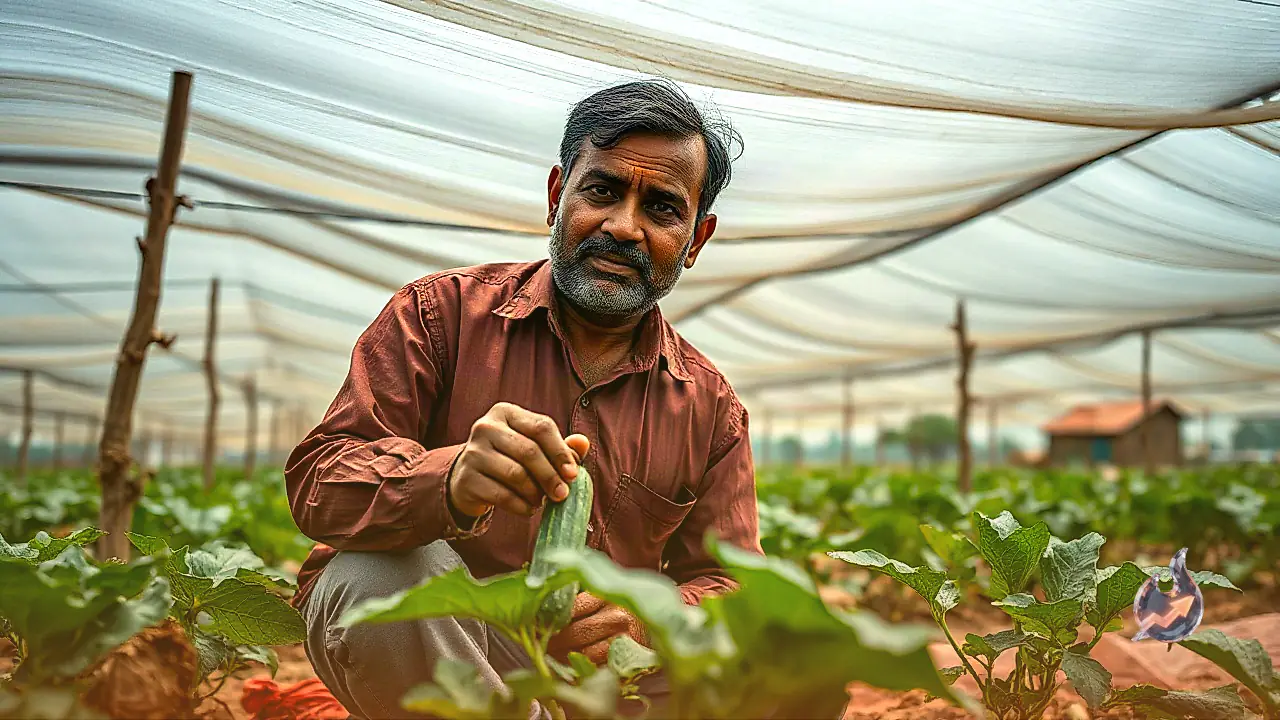
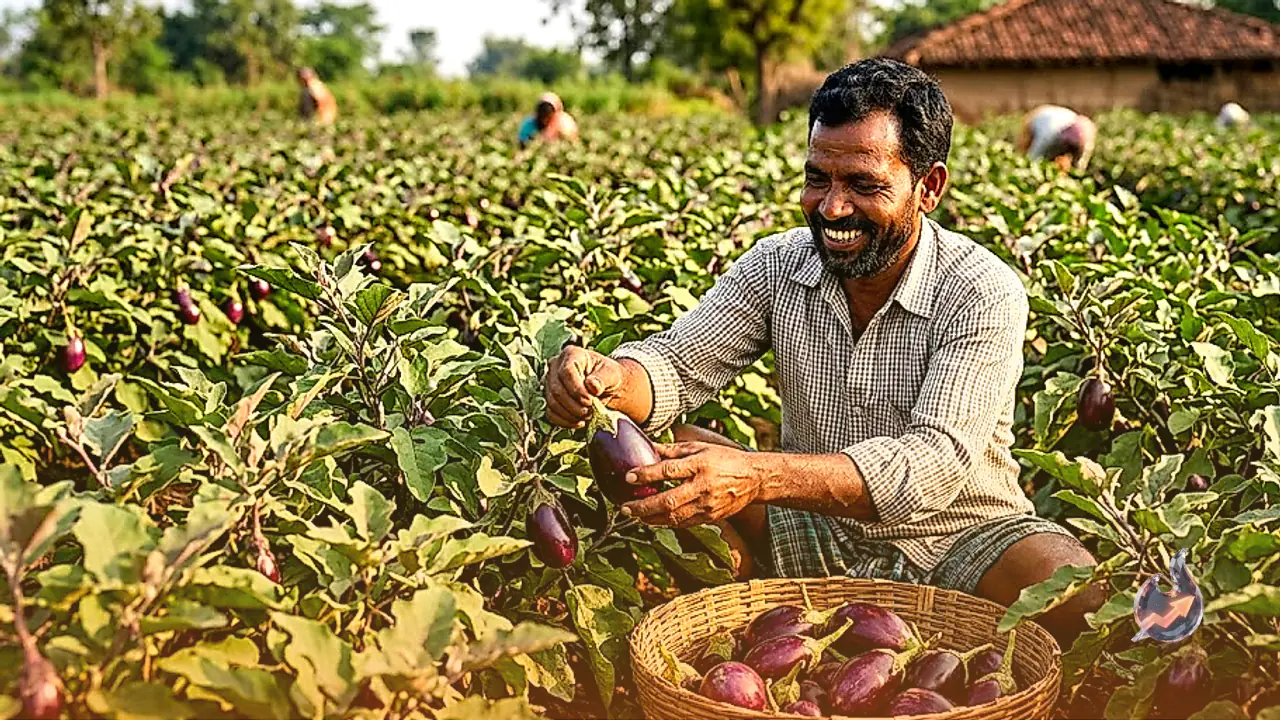
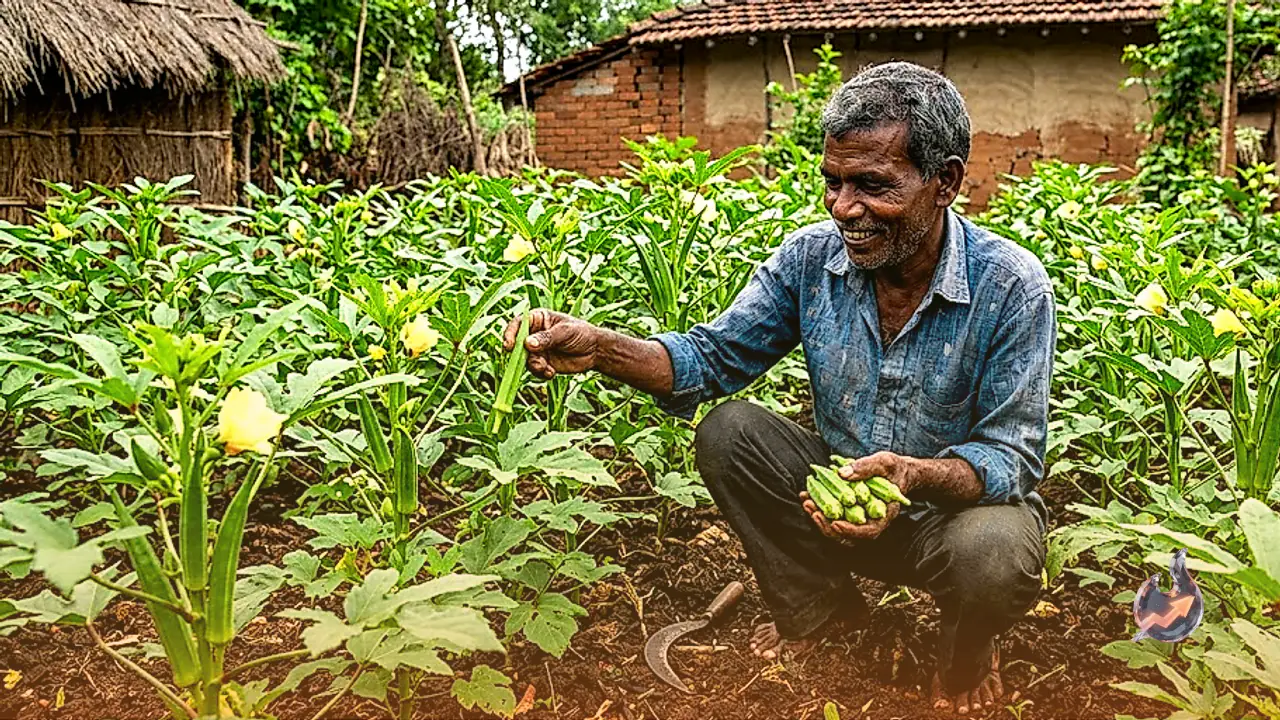
During the rainy season, rural households across Bastar actively cultivate eggplants and khatta bhaji in their residential backyards, locally referred to as baadi. As the rains nourish the soil, fresh greens thrive, making them a recurring staple in village kitchens. The natural tanginess inherent in the khatta bhaji leaves blends harmoniously with the creamy texture of potatoes and the tender flesh of fresh brinjals. This distinctive acidity lifts the entire dish without overpowering the palate, turning a simple mix of garden vegetables into an appetizing meal.
Required Ingredients for the Recipe
Preparing this authentic tribal-style preparation requires only a handful of staple pantry ingredients. The precise measurements include
- 2 eggplants (brinjals)
- 50 grams finely chopped khatta bhaji
- Two chopped potatoes
- One sliced onion
- Two dried whole red chilies
- 1/4 teaspoon turmeric powder
- 1/4 teaspoon red chili powder
- Salt to taste
- One glass of water along with cooking oil
Step-by-Step Traditional Cooking Method
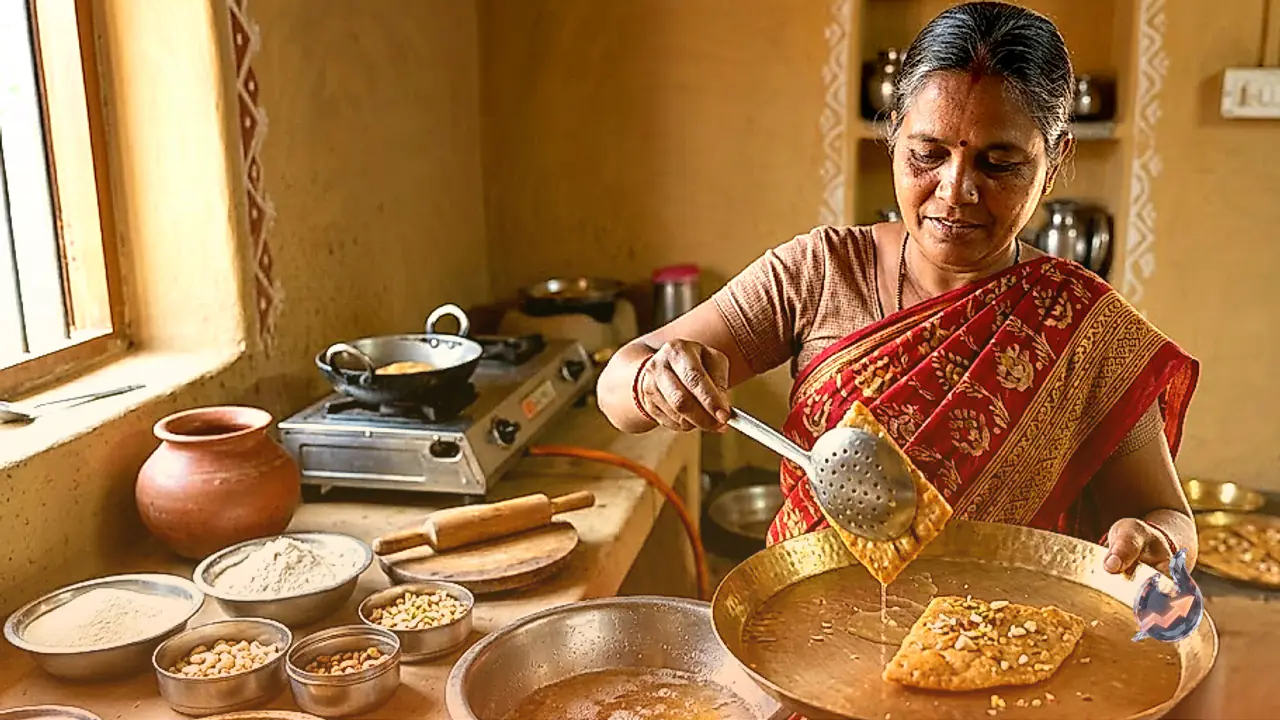
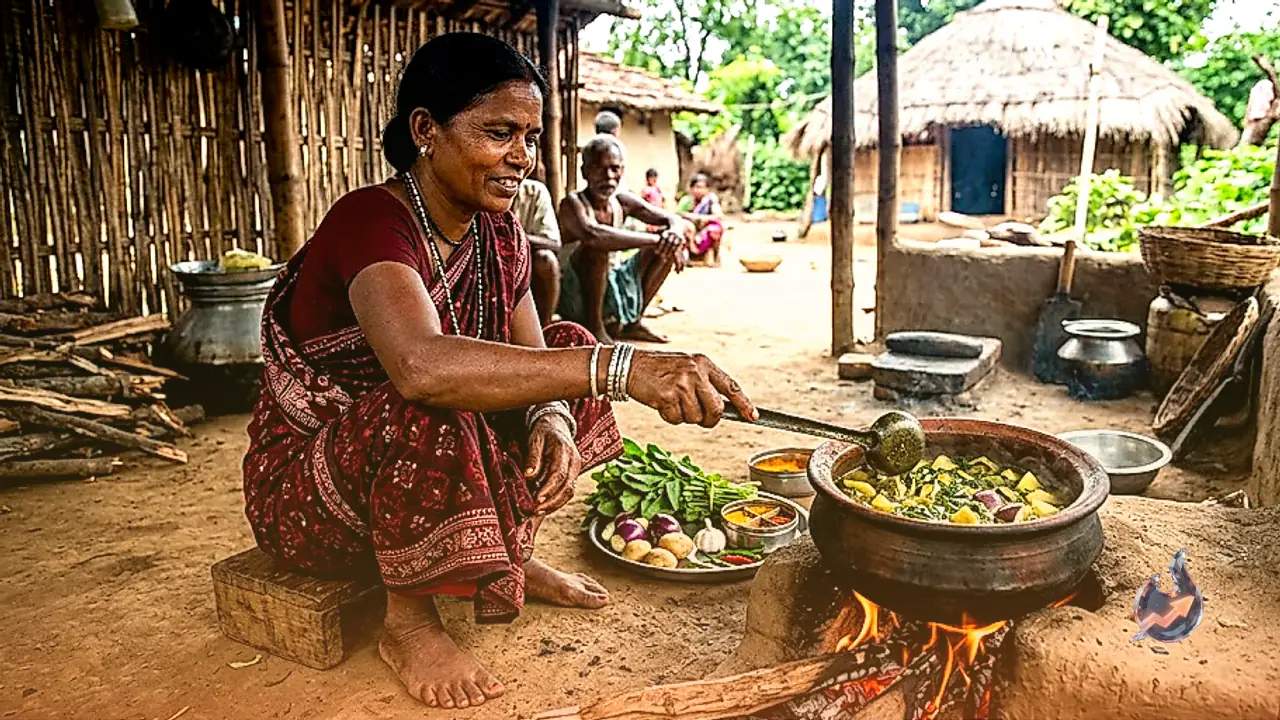
The cooking process begins by heating cooking oil in a wide pan or wok over moderate heat. Sliced onions and dried red chilies are added first, sautéed gently until the onions soften and turn an even golden shade. Once the aromatics release their fragrance, the diced eggplants and potatoes go into the pan. These vegetables are stirred and cooked until they start to soften slightly around the edges.
At this stage, 50 grams of chopped khatta bhaji is folded into the pan, allowing the heat to wilt the tender leaves alongside the vegetables. Notably, this recipe completely avoids the addition of tomatoes, as the sour greens naturally infuse the entire preparation with sufficient tanginess. Ground turmeric powder, red chili powder, and salt according to taste are incorporated into the mixture. Finally, one glass of water is poured into the wok. The dish is simmered steadily until the vegetables are thoroughly cooked and a rich, light gravy coats every piece.
Serving Traditions in Local Households
Once tender and flavorful, the simmering pot yields a delicious curry with balanced sour and savory notes. In Bastar, homemakers regularly prepare this curry as part of everyday lunches and dinners. It pairs wonderfully with warm handmade flatbreads, regular steamed white rice, and especially the regional coarse grain known locally as bade chawal, which soaks up the tangy gravy perfectly.