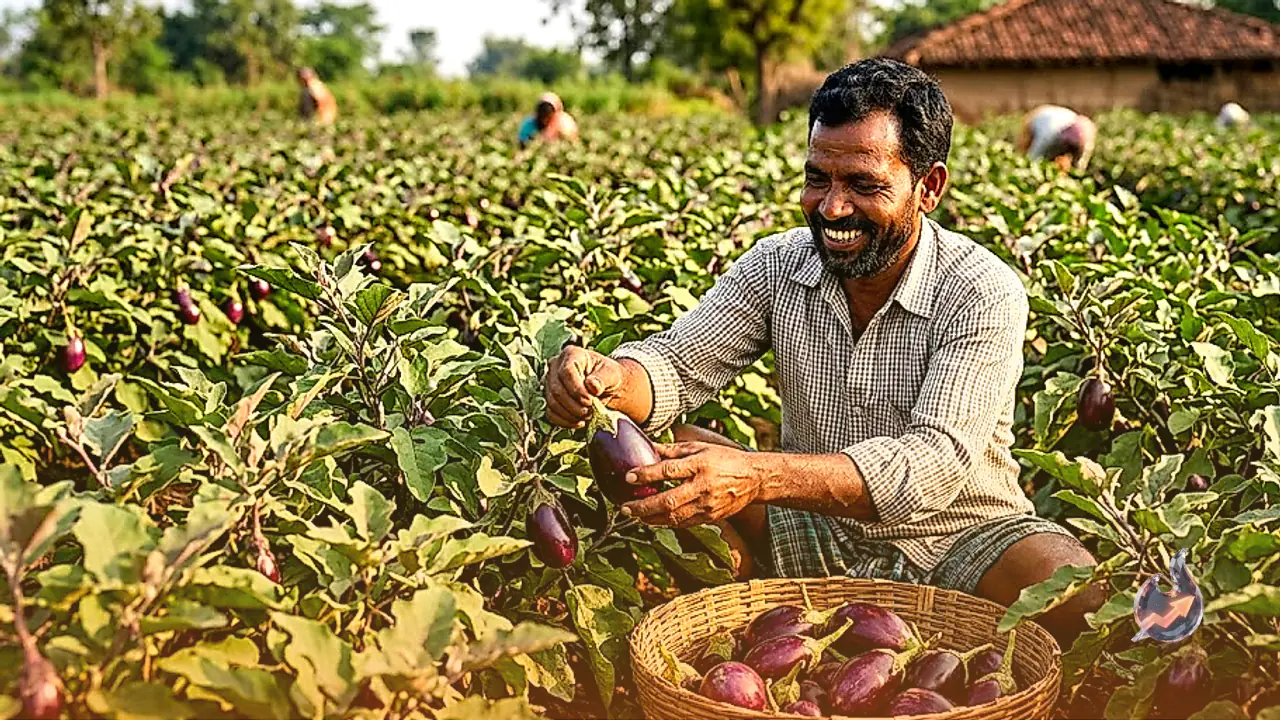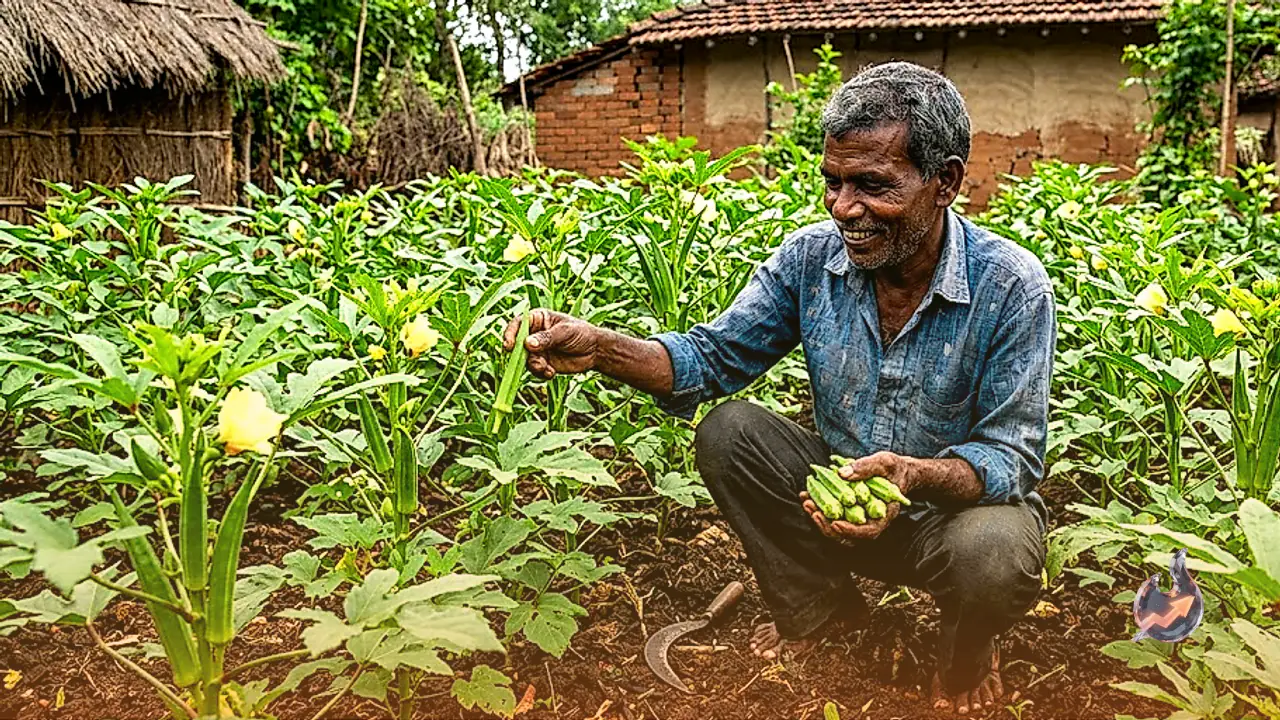






















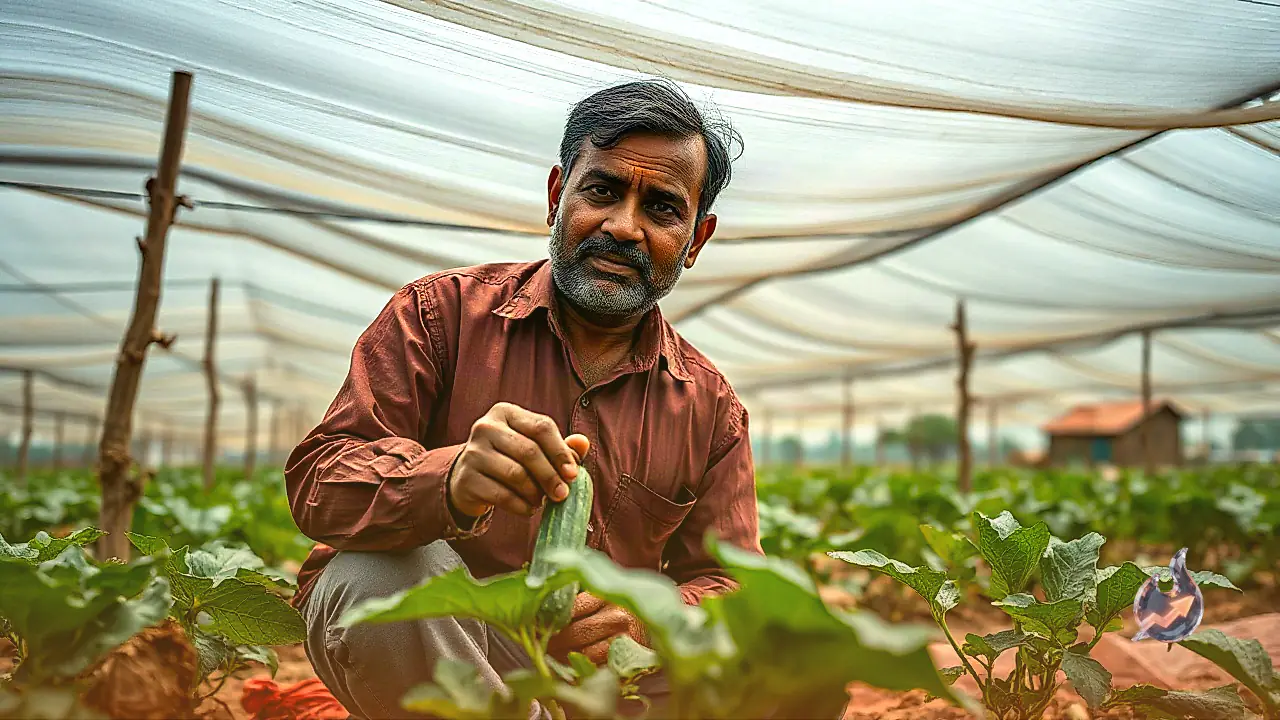

Agricultural practices in Bastar are witnessing a shift toward modern, commercial methods as local cultivators seek alternatives to volatile produce markets. In a notable initiative guided by agricultural experts, farmer Ishpar Maurya has undertaken cucumber seed cultivation across a half-acre plot using high-tech shade net structures. Growing crops under protective netting significantly shields the vines from pest attacks and seasonal plant diseases while ensuring uniform seed quality. This controlled cultivation method offers substantial advantages over open-field farming, creating the potential to double typical agricultural earnings.
Field Preparation and Planting Layout
The cultivation process began with deep field ploughing, followed by rotavator tilling to create a fine, aerated soil bed. Raised planting beds were carefully structured with a spacing of four feet between adjacent beds to facilitate easy maintenance and harvesting. Within each row, plants were spaced exactly one foot apart to provide adequate room for vegetative growth and sunlight exposure. Wooden stakes were driven into the ground to support the climbing vines, while protective mulching sheets were spread across the beds to conserve moisture and suppress weed growth.
Fertilizer Management and Crop Lifecycle
To sustain rapid vegetative growth and flowering, the soil was conditioned with basal cow dung manure prior to planting. Balanced doses of chemical fertilizers, including DAP, potash, and urea, were subsequently applied to meet the crop's nutritional needs throughout its cycle. The cucumber vines begin yielding mature fruit within approximately two months of planting, with the entire seed extraction and drying cycle finishing in around three months. Being a first-time venture, the grower noted an issue with leaf curling on some plants, the precise cause of which has not yet been fully identified.
Production Economics and Anticipated Returns
The comprehensive expenditure for setting up this half-acre cultivation totalled roughly fifty thousand rupees, covering tilling, staking, protective mulching, and soil nutrients. The grower expects to harvest approximately one and a half quintals of premium-grade cucumber seeds from this plot. With current market rates standing at three lakh forty thousand rupees per quintal, an output of one and a half quintals could generate around four and a half lakh rupees in total revenue. This represents an exceptional financial return relative to the modest initial capital outlay.
Stable Pricing Over Volatile Produce Markets
A primary factor driving growers toward specialized seed production is the instability of fresh vegetable wholesale prices. Perishable produce often experiences sudden market collapses during harvest gluts, leaving farmers vulnerable to severe losses. Seed production, by contrast, operates under contracted or predetermined prices that eliminate marketing uncertainty and prevent distress sales. Combined with the protective shield of shade net infrastructure against widespread blight, high-value seed farming offers a dependable model for farm prosperity.