


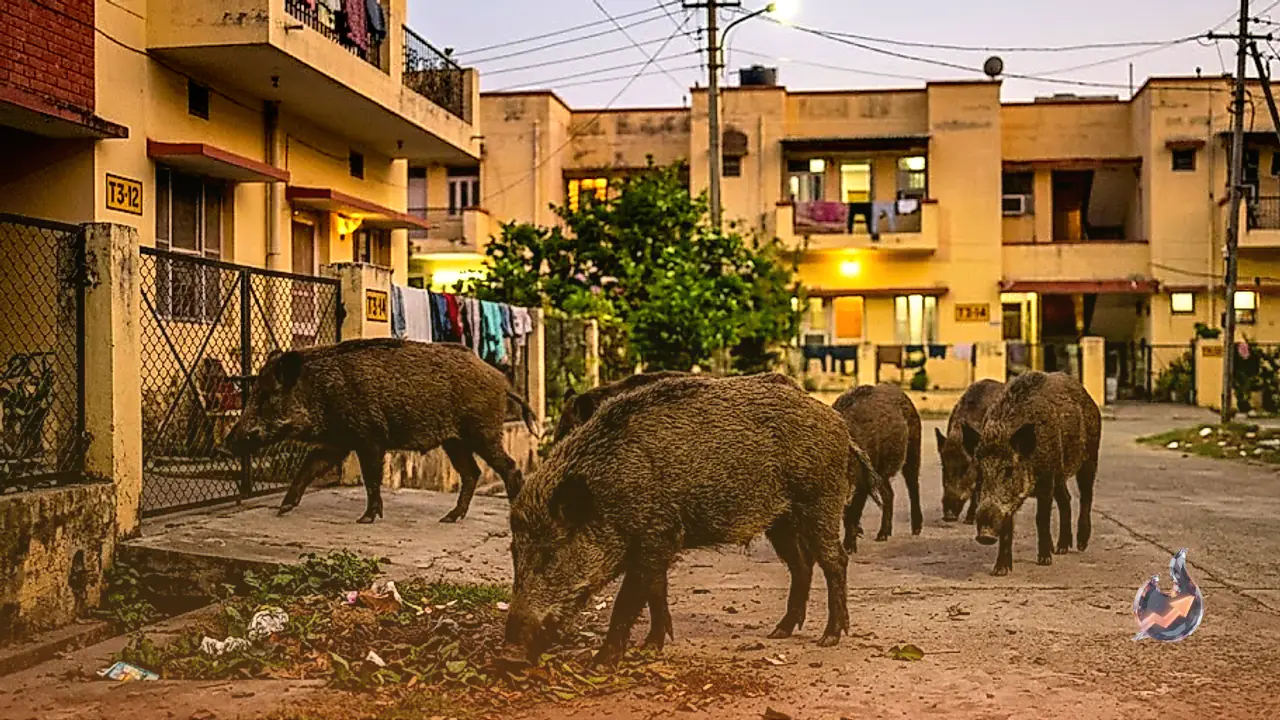

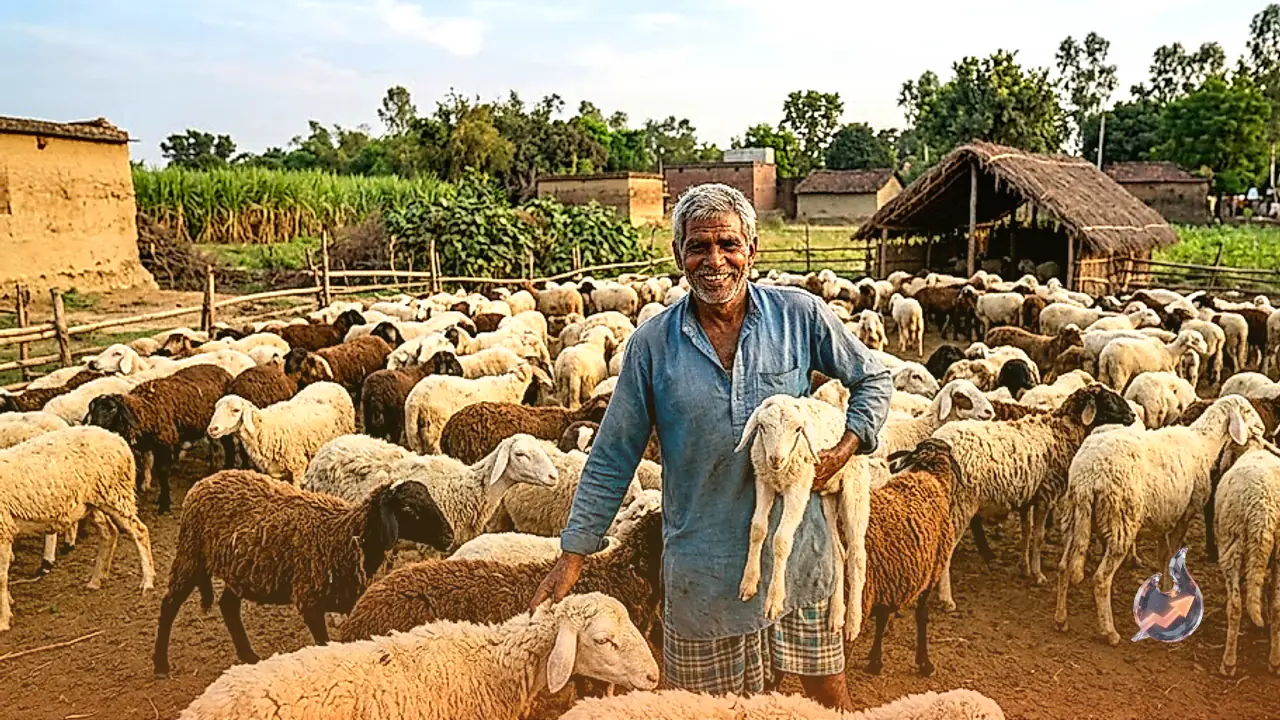

















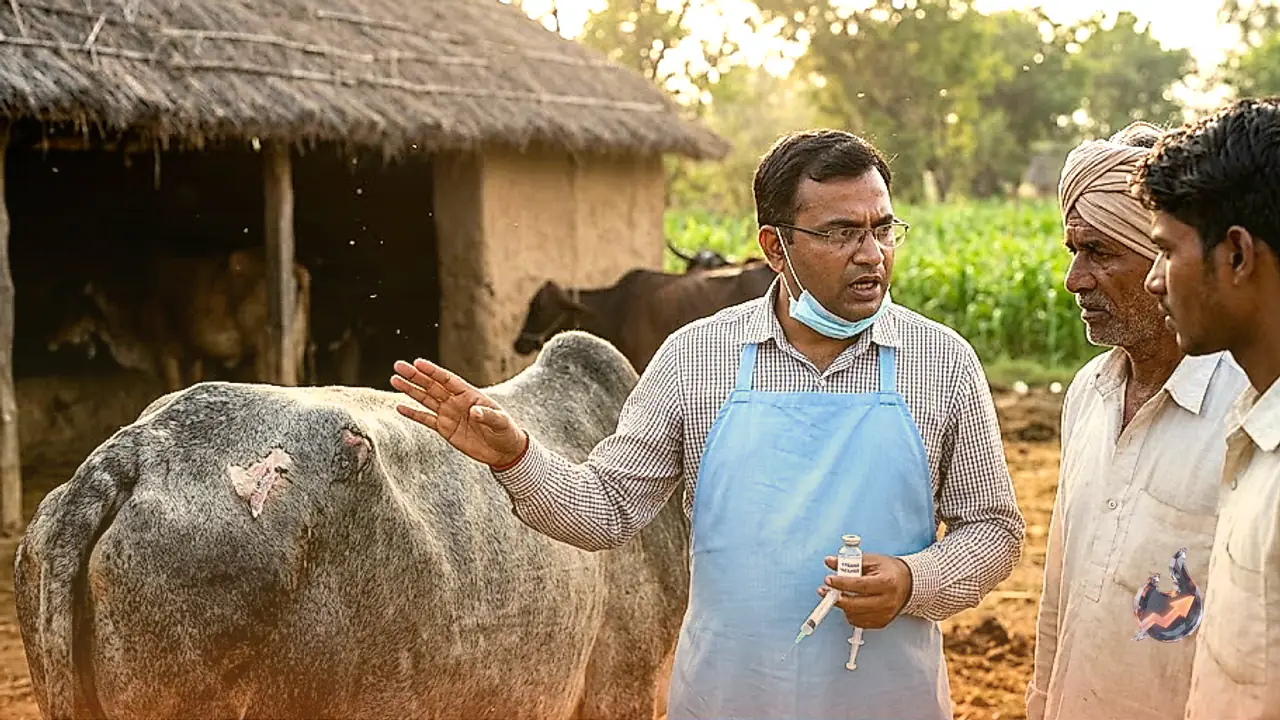

In the Surguja district of Chhattisgarh, the livelihood of a substantial rural population depends heavily on rearing cattle such as cows and oxen. In rural settlements, free-roaming stray dogs frequently attack domestic livestock. Livestock owners often dismiss these incidents as minor scratches or superficial injuries, yet such oversight can lead to catastrophic consequences. A dog bite carries a severe danger of transmitting rabies to cattle. If an infected or rabid dog has bitten an animal, the development of rabies is virtually inevitable without medical intervention. Furthermore, if other cattle come into contact with the affected animal, the infection can readily spread across the herd. Consequently, cattle owners must consult a veterinary doctor and initiate the rabies vaccination regimen immediately upon discovering a dog bite, ensuring the herd remains protected.
How the Rabies Virus Reaches the Brain
Veterinary doctor Dr. PL Shori detailed the biological progression of the disease within livestock. According to Dr. Shori, when an infected dog bites a cow or ox, the rabies virus enters the bovine system through the canine saliva left in the wound. Once introduced, the pathogen does not travel primarily through the bloodstream; instead, it progresses gradually along peripheral nerves toward the brain. Only after reaching the central nervous tissues of the brain do the clinical signs of the infection begin to manifest outwardly. Once the virus invades the brain, the neurological damage becomes irreversible and triggers acute distress.
Altered Bellowing, Drooling, and Behavioral Shifts as Early Warnings
Once infected cattle develop clinical rabies, significant alterations in their demeanour become noticeable. Dr. Shori observed that an affected cow frequently experiences a marked change in vocal tone and bellowing, discharges continuous copious saliva from the mouth, and completely stops eating and drinking. In numerous instances, the animal ceases to recognize its owner or familiar caretakers, displaying aggressive tendencies and attempting to bite inanimate objects, stall structures, or other nearby animals.
Instead of resting calmly like healthy cattle, the rabid animal exhibits persistent agitation and restlessness. It may repeatedly stamp its hooves, kick out, or pace frantically around its tethering area. Dr. Shori emphasized that in cattle, the infection escalates with extreme rapidity, resulting in acute physical suffering and deteriorating physiological functions.
Can Any Free-Roaming Dog Transmit Rabies?
Cattle keepers often wonder whether every roaming dog possesses the virus. The veterinary doctor explained that not every wandering dog is infected with rabies. However, the mere fact that a dog appears physically normal, calm, or healthy does not eliminate the possibility of viral transmission. An animal may be in the incubation stage, shedding the virus in its saliva before displaying full-blown clinical manifestations. Therefore, whenever a dog bite incident occurs, one must not make assumptions regarding the dog's health status; vaccinating the bitten cattle as promptly as possible remains strictly necessary.
Identifying Rabid Behaviour in Dogs
Describing how to recognize a rabid canine, Dr. Shori noted that an affected dog typically diverges from normal domestic canine habits. It often detaches itself from packs and roams in isolation. Furthermore, it becomes erratically aggressive, launching unprovoked attacks and attempting to bite whatever animal or person crosses its path. Even so, visual observation of erratic actions alone cannot serve as absolute medical confirmation of rabies. Because behavioural indicators can remain ambiguous, immediate preventive measures must always be prioritized over observation.
Secondary Transmission Risks to Other Livestock
The transmission danger is not limited strictly to the individual animal bitten by the dog; it can easily endanger an entire barn. If saliva from an infected cow contacts another animal, the virus can enter through open scratches, mucous membranes, or minor skin lesions. Common barnyard behaviours, such as cattle mutual grooming and licking, sharing feed bunks, or coming into contact with contaminated equipment, heighten the probability of secondary exposure. Rigorous precautions and isolation protocols are therefore critical whenever exposure is suspected.
Immediate Post-Bite Vaccination Is Crucial
Offering decisive guidance, Dr. PL Shori stressed that post-exposure prophylaxis must commence without any delay following a dog bite. Whether the offending canine appeared entirely healthy or conspicuously sick, the bitten livestock should receive the anti-rabies vaccine at the earliest possible hour. Any delay in administering post-bite injections severely diminishes the likelihood of saving the animal, allowing the virus sufficient time to establish itself within the nervous system.
Treatment Ineffective Once Symptoms Emerge
The veterinary doctor warned that once clinical signs of rabies become visible in cattle, the disease advances to a terminal stage where curative interventions are entirely ineffective. Once neurological damage occurs within the brain, recovery is scientifically impossible. Rather than observing the livestock for vocal changes, restlessness, or refusal of feed, dairy farmers must report any dog bite to veterinary authorities right away to complete the necessary course of vaccination.