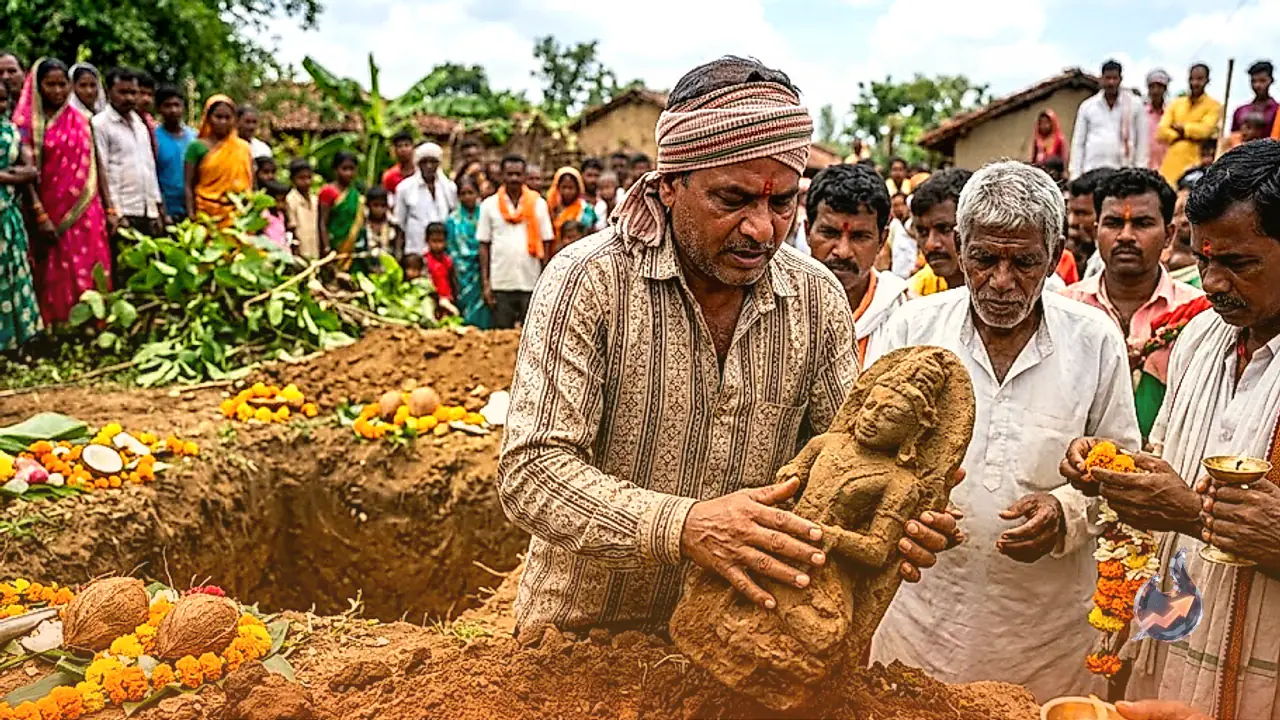

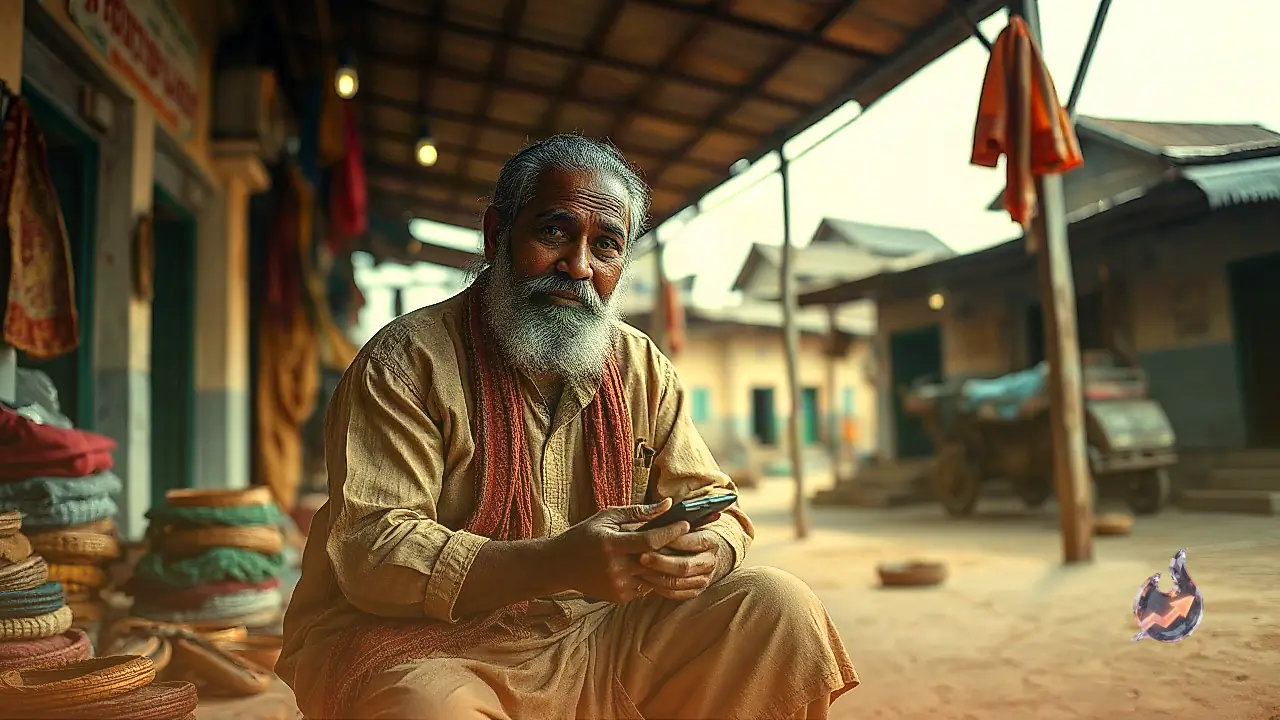

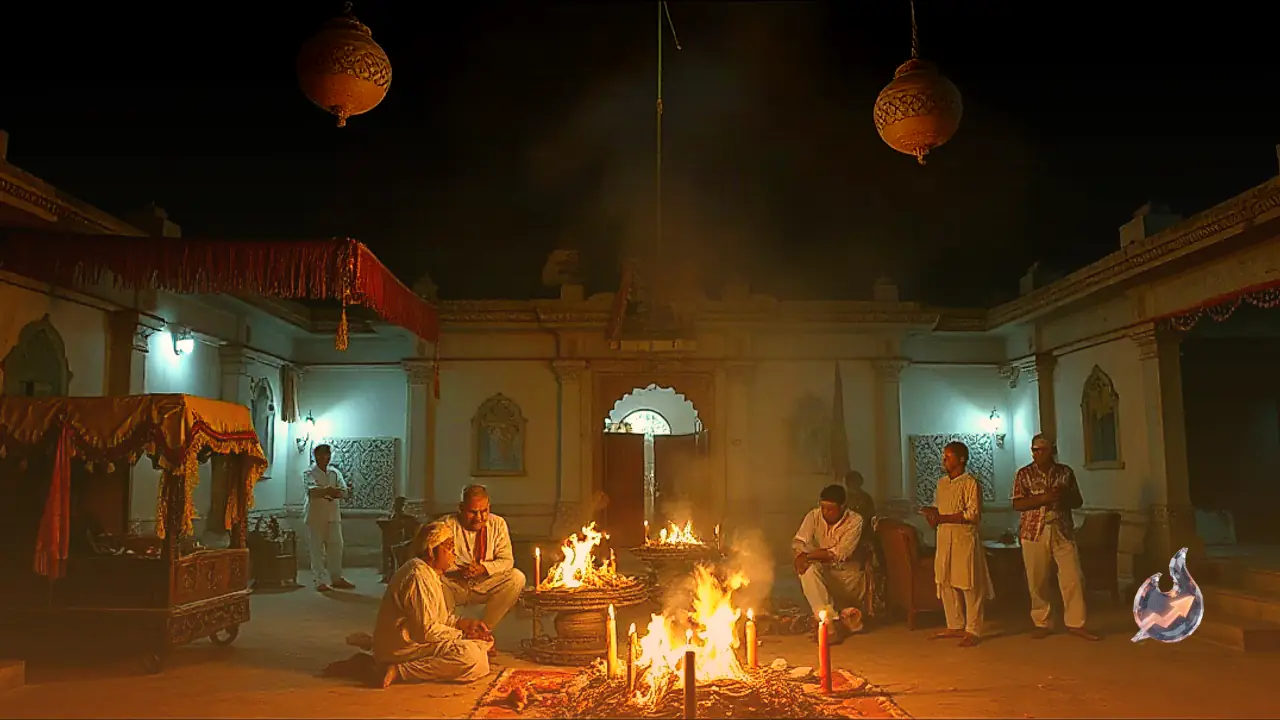
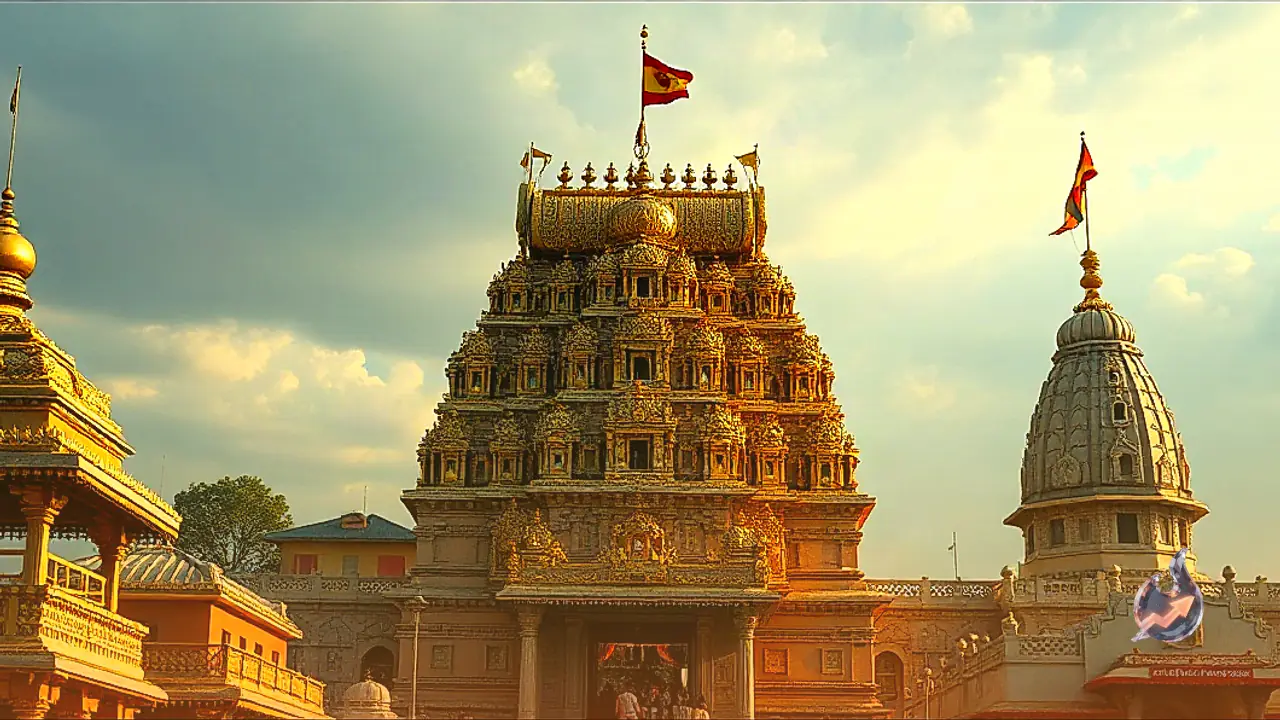














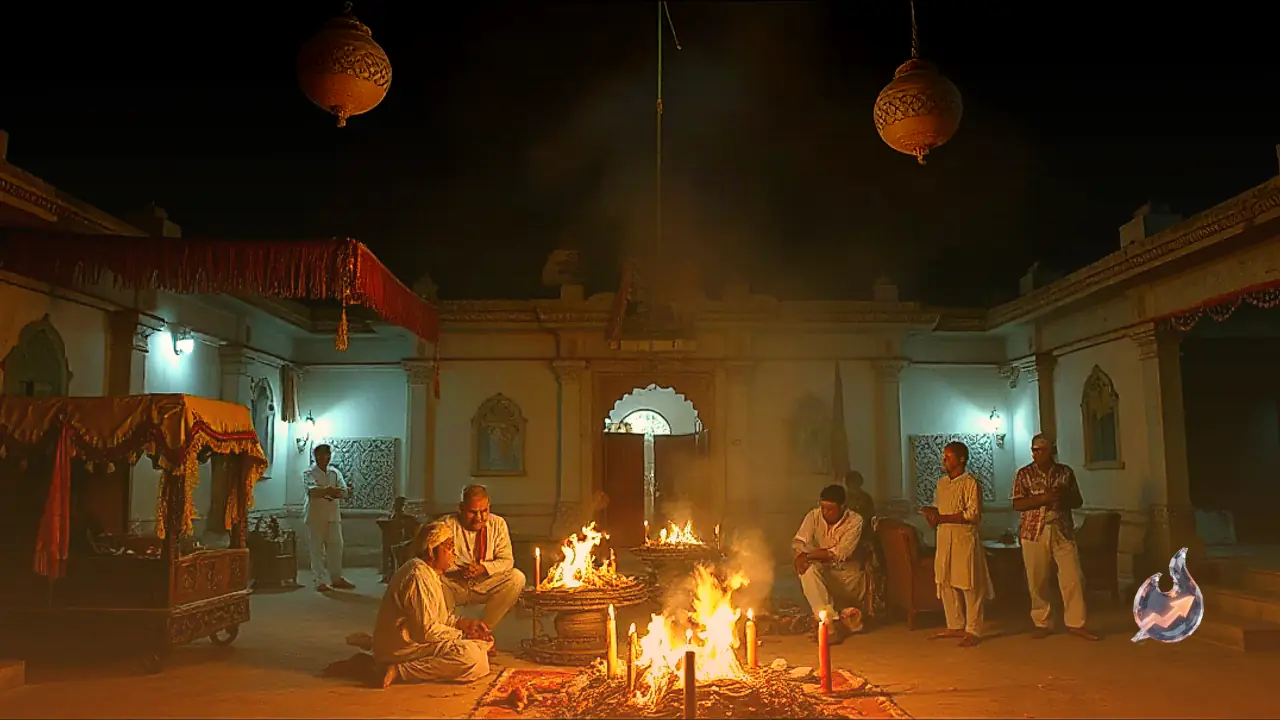

In the cultural landscape of Chhattisgarh, Pitru Paksha is much more than a routine series of religious obsequies and water offerings. Across Bilaspur and other regions of the state, these fifteen days are observed as a profound festival of remembrance, a time to honor departed ancestors, and an essential medium for passing down familial customs to the next generation. During this sacred fortnight, Hindu households warmly invite their deceased kin back into their homes on the specific dates of their passing, preparing their favorite dishes and performing rituals with deep reverence. Senior folk litterateur from Bilaspur, Dr. Somnath Yadav, points out that these practices transcend simple religious devotion, stating, "It is a beautiful element of our culinary habits, lifestyle, and social fabric." During this period, the many vibrant colors of Chhattisgarhi folk culture come to the fore, preserved meticulously through generations.
Ancestral Invitations and the Sacred Welcome
During Pitru Paksha, every single day is aligned with the specific death anniversary, or tithi, of a deceased relative. In Chhattisgarhi belief, ancestors visit the earthly realm during this period, demanding a reception filled with warmth and respect. On the specific tithi of an ancestor's passing, households begin their day with extensive cleaning. A central ritual involves drawing a sacred square, known as a Chowk, at the household shrine and the main entrance. Some families traditionally plaster the threshold and walls with lime to purify the space, while others meticulously draw the Chowk using clean wheat flour. This hand-drawn design is not merely decorative; it serves as a symbolic message that the family is fully prepared and eagerly waiting to receive their ancestors. After the morning prayers, doors are left open to facilitate the peaceful entry of the ancestral spirits.
Culinary Traditions: The Role of Rice, Ridge Gourd, and Bobra
The preparation of food during this period is governed by strict rules, with a complete emphasis on simple, Sattvik vegetarian meals. Dr. Somnath Yadav, the Bilaspur-based folk scholar, sheds light on the unique culinary aspects of this festival. Because Chhattisgarh is widely celebrated as the rice bowl of India, rice forms the bedrock of the Shradh feast. Seasonal vegetables, particularly ridge gourd, locally known as torai, are cooked in a remarkably simple manner. The ridge gourd is prepared completely without any tempering, known as chhaunk, and the use of spices is entirely prohibited. Alongside this, a completely saltless vegetable dish is also prepared. For dessert, a traditional sweet called 'Bobra', made by combining wheat flour and jaggery, is prepared and offered, as it is considered highly auspicious. In addition to these standard items, any specific dish that the deceased family member particularly enjoyed during their lifetime is prepared with immense love and offered as part of the ritual feast.
Honoring the Matriarchs on Navami Tithi
Among the fifteen days of Pitru Paksha, the ninth day, or Navami Tithi, holds a unique and highly emotional significance. This day is specially designated as Matru Navami, a solemn occasion dedicated exclusively to remembering the deceased female ancestors of the family. Mothers, grandmothers, and other matriarchs who once anchored the household are recalled with profound gratitude. Following family traditions and the appropriate tithi, they are invited back to the home. The women of the house spend the morning preparing their favorite delicacies. After performing the meticulous rituals of worship and food offering, all family members sit together to consume the offered food as prasad. This beautiful ritual serves not only as a token of gratitude toward the matriarchs but also ensures that the younger generation remains connected to the legacy and sacrifices of their grandmothers and mothers.
Coexisting with Nature: Offerings for Birds and Crows
The folk heritage of Chhattisgarh does not limit its scope to human relationships; it extends a compassionate hand to animals and the natural world. Throughout Pitru Paksha, there is an enduring custom of leaving food and water for birds, especially crows. In Hindu mythology, the crow is viewed as a messenger of Yama, the god of death, and a representative of ancestral spirits. Consequently, before the family sits down to eat, or immediately after the completion of the rituals, a portion of the prepared food is placed on platters and bowls crafted from leaves, known as pattal and dona, and left on the rooftop or a raised platform. A vessel of fresh water is also kept beside it. This ritual highlights the profound ecological awareness of Chhattisgarhi society, reminding everyone that their duty of care extends beyond human kin to the voiceless creatures that share their environment.
Sacred Ablutions: The Ritual of Tarpan by Water Bodies
Natural water bodies like rivers and ponds hold an incredibly sacred status in the Shradh process. In Chhattisgarh, water is revered as a source of life and purification. To perform the ritual of Tarpan, male family members gather at the banks of a local river or pond early in the morning, accompanied by a family priest. Together, they perform the ritual of offering water, known as Arghya, mixing barley, raw rice, and white flowers into the water. The senior member of the family leading the rituals must wear simple white cotton clothes, symbolizing mourning and purity. Guided by the chanting of Sanskrit mantras by the priest, they scoop up water in their cupped hands and let it flow back into the water body, praying for the eternal peace of their ancestors' souls. This serene and spiritual ceremony is a quiet moment of introspection and gratitude.
An Intimate Gathering: Inviting Kin and Gotra Members
The social structure of the Shradh feast in Chhattisgarh is highly distinctive. Unlike regular community feasts or general social gatherings, the neighborhood or general public is not invited to these meals. Instead, invitations are strictly limited to close family members, blood relatives, and individuals sharing the same clan or gotra. On the day of an ancestor's tithi, members of the extended family gather under one roof to partake in the Shradh meal. This rule is not merely a religious restriction but serves a crucial social function. In an era where daily routines often isolate relatives from one another, this tradition forces the extended family to gather, share their joys and sorrows, and strengthen their interpersonal bonds and mutual support systems.
Bidding Farewell: Bells, Plates, and the Final Send-Off
On the final day of Pitru Paksha, known as Sarvapitru Amavasya, a highly dramatic and unique farewell ritual is performed to send back the ancestors. On this day, special delicacies are cooked once again, and after the morning prayers, the final food offering is made to the spirits. Following this, the immersion journey begins. Members of the family walk out of the house toward the nearest river or pond, loudly ringing brass bells and beating brass plates. The resonant sound of the bells and plates symbolically alerts the neighborhood that the ancestors are now departing back to their spiritual realm. Upon reaching the water body, a brief final prayer is conducted, and the ritual items, including flowers and leaves used in the worship, are immersed in the water, bringing the fortnight-long observance to a solemn close.
The Confluence of Folk Heritage and Spiritual Faith
Deeply embedded in the daily life and cultural ethos of Chhattisgarh, this ancient tradition has preserved its unique identity over generations. According to Bilaspur's senior folk scholar, Dr. Somnath Yadav, this festival is not just about otherworldly beliefs, but is a vital social mechanism that strengthens community ties. It beautifully weaves together spiritual devotion with the flavors of local cuisine, deep ecological empathy, and a conscious effort to keep fragmented families united. Honoring ancestors on their precise death anniversaries, cooking simple and healthy food tailored to their memories, and bringing the entire family together under one roof remains the hallmark of Chhattisgarh's rich folk culture, passed down faithfully from one generation to the next.