




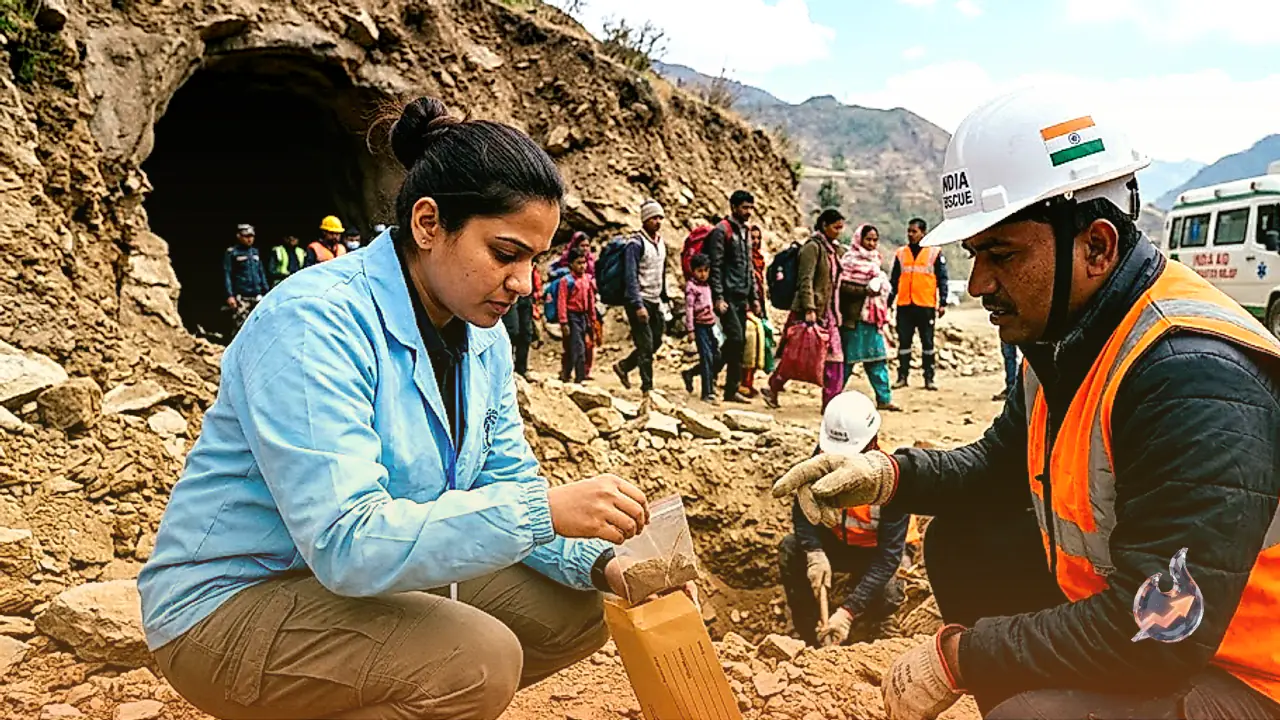

















Amid ongoing relief and rescue operations in Nepal, India has continuously expanded its assistance efforts to ensure the safety of citizens in affected areas while deploying specialized expert teams to work alongside Nepali authorities and the military. In Kathmandu, a dedicated team of Indian forensic experts has commenced operations, while a specialized tunnel rescue team is actively searching for individuals trapped deep inside tunnels located in treacherous terrain.
To assist in the identification of recovered bodies, a 19-member forensic team from India has arrived in Kathmandu. This team is aiding in the examination of DNA samples to help local authorities in Nepal establish the identities of the deceased swiftly, ensuring that their families receive accurate information as quickly as possible through coordinated institutional efforts.
A critical component of the ongoing relief mission involves search operations inside tunnels and hydropower project sites. India's specialized Tunnel Search and Rescue team conducted a joint search operation with the Nepali Army at hydropower tunnel sites in the Chilime and Langtang areas on Sunday. Despite adverse weather and extremely difficult operating conditions, the Indian team successfully penetrated deep inside a tunnel near Langtang. During the search, the team discovered the body of an individual inside, which was safely retrieved. Search operations within the tunnels and surrounding areas continued thereafter.
According to Indian officials, the specialized tunnel rescue team is operating in close and continuous coordination with the Nepali Army. Further search and rescue operations will continue to be conducted as needed within the hydropower project tunnels across the Chilime and Langtang regions.
Meanwhile, the evacuation and rescue of Indian citizens stranded in Nepal is progressing steadily. A total of 403 Indian nationals have safely reached Nepal from the China side. Additionally, around 500 Indian citizens remain at safe locations on the China side, with Indian officials maintaining constant contact and arranging necessary logistical support to evacuate them safely.
Conditions in Nepal remain highly challenging. Adverse weather, rugged mountainous terrain, and severely disrupted communication lines in multiple locations have posed continuous hurdles to the relief and rescue mission. Despite these obstacles, India has deployed personnel ranging from forensic specialists to trained tunnel rescue experts on the ground. These teams are working hand in hand with the Government of Nepal and the Nepali Army, with search operations expected to persist in the coming days. The immediate priority remains reaching areas where individuals are suspected to be trapped, alongside identifying the deceased to relay accurate updates to their grieving families.