























Privatization Bidding Begins for 11 Airports Across India Including Raipur FacilityChhattisgarh
26 Aug 2026, 10:08 am (1 hour ago)· 2

Privatization Bidding Begins for 11 Airports Across India Including Raipur Facility

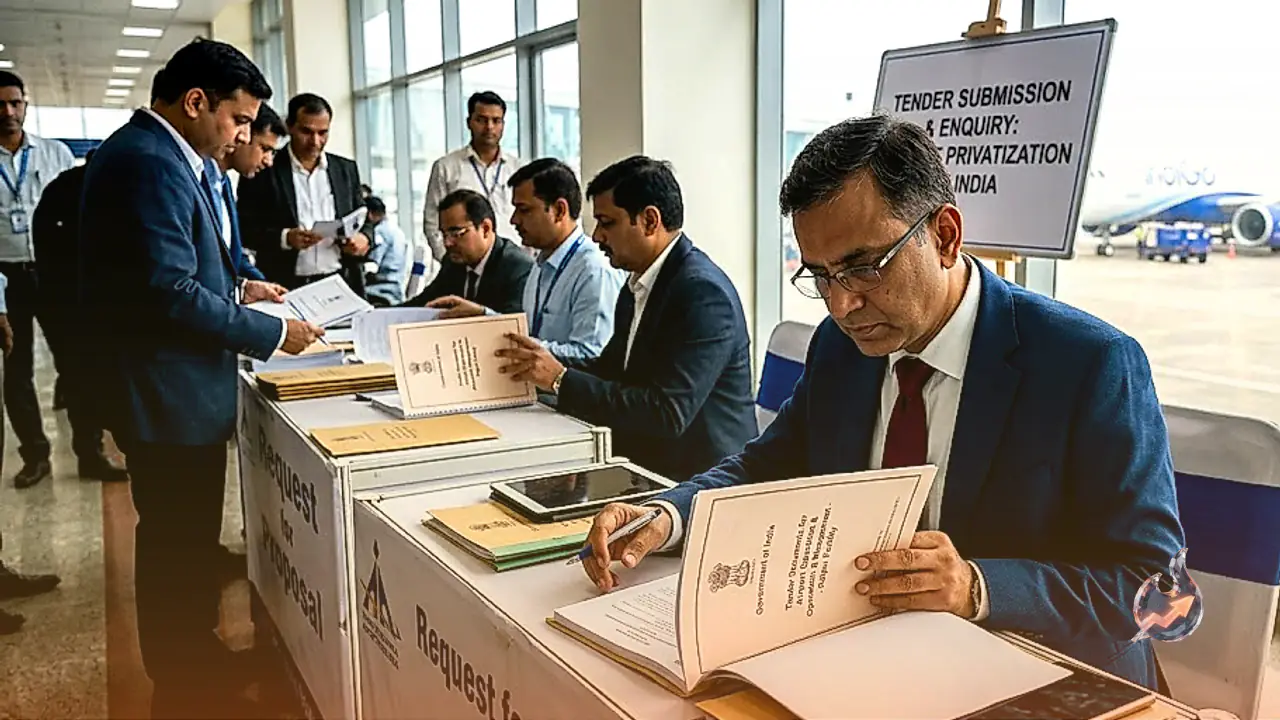
The central government has launched the tendering process to privatize 11 airports, including the Raipur facility, offering successful bidders a 50-year operational lease.

The central government has officially initiated the process to transfer the operations of 11 airports across the country, including the Raipur facility, into private hands. The formal tendering and bidding procedures are now being set in motion. At present, the Airport Authority manages and operates Raipur Airport. However, once the bidding process concludes, complete operational management will be transferred to the winning firm. Major aviation hubs such as Jaipur, Mumbai, Lucknow, and Ahmedabad are already under private management, where travelers have experienced increases in ticket prices and parking charges.

Lease Duration and Handover Timeline

According to the Airport Authority, the complete process involving bidding, tendering, and final handover will take at least two years to finalize. The corporate entity that submits the highest bid will secure a 50-year operational lease for the Raipur facility. Consequently, following 2028, the private operator will run the airport for the next five decades. In return for these operational rights, the firm will pay a fixed financial amount to the central government.

Also read

Security Jurisdiction and Expansion Potential

Even after the administrative transition to private management, overall airport security and Air Traffic Control will strictly remain under the authority of the Airport Authority. Security duties will continue to be handled exclusively by CISF personnel, with zero interference from the private company. Because private operators routinely modernize infrastructure and market facilities both nationally and internationally to boost revenues, the transition is expected to pave the way for potential international flights from Raipur alongside widespread facility upgrades.

Potential Bidders and Regional Groupings

Owing to Raipur Airport's well-equipped terminal building, expansive runway, parking capacity, and steady passenger traffic, major industrial groups are anticipated to participate in the upcoming bidding. Prominent contenders likely to submit bids include Adani Airport Holdings, GMR Airports, Larsen & Toubro, GVK Group, and IRB Infrastructure. Under the government's framework, the 11 targeted airports have been categorized into five distinct operational groups

  • Group 1: Varanasi, Gaya, and Kushinagar.
  • Group 2: Tiruchirappalli and Tirupati.
  • Group 3: Amritsar and Kangra.
  • Group 4: Bhubaneswar and Hubballi.
  • Group 5: Raipur and Aurangabad (Chhatrapati Sambhajinagar).

Questions & Answers

When will the privatization of Raipur Airport take effect?
The tendering and handover process will take at least two years, after which the winning private firm will operate the airport for 50 years starting post-2028.
Will airport security also be privatized?
No, security will continue to be handled strictly by CISF personnel, and Air Traffic Control will remain under the Airport Authority.
What potential benefits could passengers in Raipur see from privatization?
Infrastructure modernization and commercial branding by private operators could lead to expanded facilities and potential international flight operations from Raipur.
Which other airports are being privatized along with Raipur?
The list includes Varanasi, Gaya, Kushinagar, Tiruchirappalli, Tirupati, Amritsar, Kangra, Bhubaneswar, Hubballi, and Aurangabad (Chhatrapati Sambhajinagar).

Which major corporate entities are expected to bid?
Prominent expected bidders include Adani Airport Holdings, GMR Airports, Larsen & Toubro, GVK Group, and IRB Infrastructure.

Comments 2

Rohan Verma@rohan-verma·55m ago

While this policy move holds significant potential for infrastructure modernization and international flight connectivity, past precedents of tariff hikes and increased parking fees mean passenger cost burdens require strict monitoring. A fifty-year lease timeline guarantees that this structural shift will shape regional economics for decades, though keeping security under CISF jurisdiction remains a crucial stabilizing factor.

Karan Malhotra@karan-malhotra·54m ago

With a long 50-year lease and major corporate houses entering the bidding fray, maintaining a strict balance between public and commercial interests will be paramount. Past precedents at other privatized hubs clearly indicate that administrative transitions often lead to sharp hikes in parking and user fees, directly impacting everyday travelers. While the retention of CISF for overall security and Air Traffic Control provides much-needed institutional stability, regulatory authorities must rigorously oversee the compliance frameworks to ensure that private operators do not exploit infrastructure modernization as a pretext for excessive financial burdens on passengers.

Citizen journalism

Become a TrendKia journalist

Voice of the people

Share news, photos and videos from your area with TrendKia and let your voice reach the nation. Every citizen a journalist.

Join now
CH 01 LIVE
TrendKia TV ON AIR