






















The energy market turmoil triggered by months of fighting in West Asia has refused to settle down. Oil and LPG tankers passing through the Strait of Hormuz keep getting disrupted because just when things look set to calm down, Washington and Tehran start accusing each other of attacking ships again. While the United States remains tied down in this military standoff, China has quietly begun building an alternative route of its own, pushing a land rail corridor through Central Asia toward Iran and West Asia, and it has just achieved a major milestone on that front.
First Tunnel Through in Kyrgyzstan, Project Gathers Pace
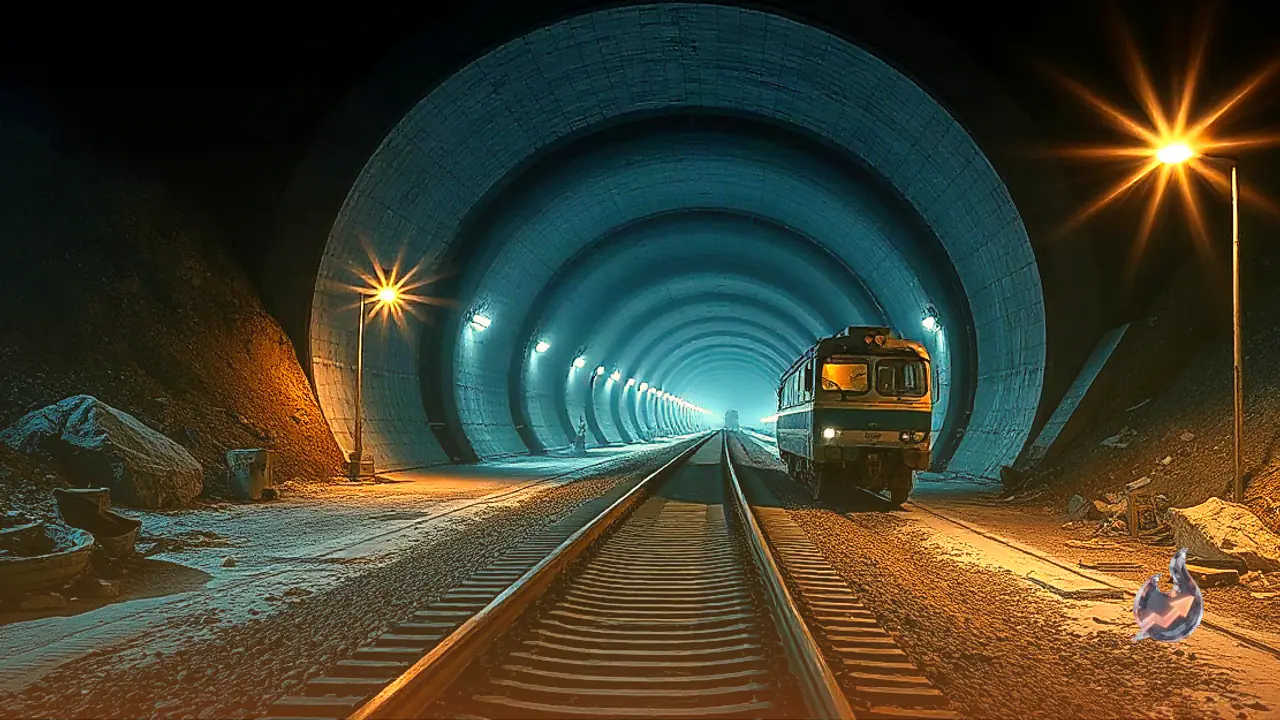
The China-Kyrgyzstan-Uzbekistan Railway Company has successfully broken through the North Koshtobe Tunnel No. 2 in the Kyrgyzstan section of the China-Kyrgyzstan-Uzbekistan railway project. According to the company, this is the first tunnel to be completed in the Kyrgyzstan section, making it an important milestone for the project. A company official said the tunnel is 209.6 metres long and reaches a maximum depth of 41 metres, and it has been designed as a single-track railway tunnel. The construction team completed it within the set timeline while following required safety and quality standards.
27 Tunnels, 43 Bridges and 88 Roadbed Sections Underway
While only one tunnel has been completed so far, work on the wider project is moving on a much larger scale. Construction has already started on 27 tunnels, 43 bridges and 88 roadbed sections, of which just one tunnel is fully finished at this stage. Foundation work is also underway simultaneously for 20 stations. The scale at which work has begun across so many fronts shows how much urgency China is placing on this rail corridor.
National Park Spared, Wildlife Corridors Built In
The project is also taking environmental protection seriously. The railway route has been designed to avoid the Saimaluu-Tash National Park and other environmentally sensitive areas nearby. Culverts are being built at multiple points along the route so that wildlife movement is not blocked and local herders can move around with their livestock without difficulty.
Local Economy Benefits Too, a Lesson Learned From Africa
China appears to be applying lessons from its earlier projects in Africa here as well, taking care that local resentment does not build up against the project. The company is placing heavy emphasis on local procurement. Materials and equipment worth around 10 billion som (roughly $114 million) have been purchased locally so far. All the fuel used in the project is being sourced from Kyrgyzstan, while more than 60 percent of major construction materials, including cement, are also being drawn from local sources. More than 1,700 local machines have been hired for the project. The company has spent around 156 million som on community development so far, covering upgrades to village roads, water and electricity supply, telecommunications, medical services and support for education.
From Kashgar to Andijan, a Project Linking Three Countries
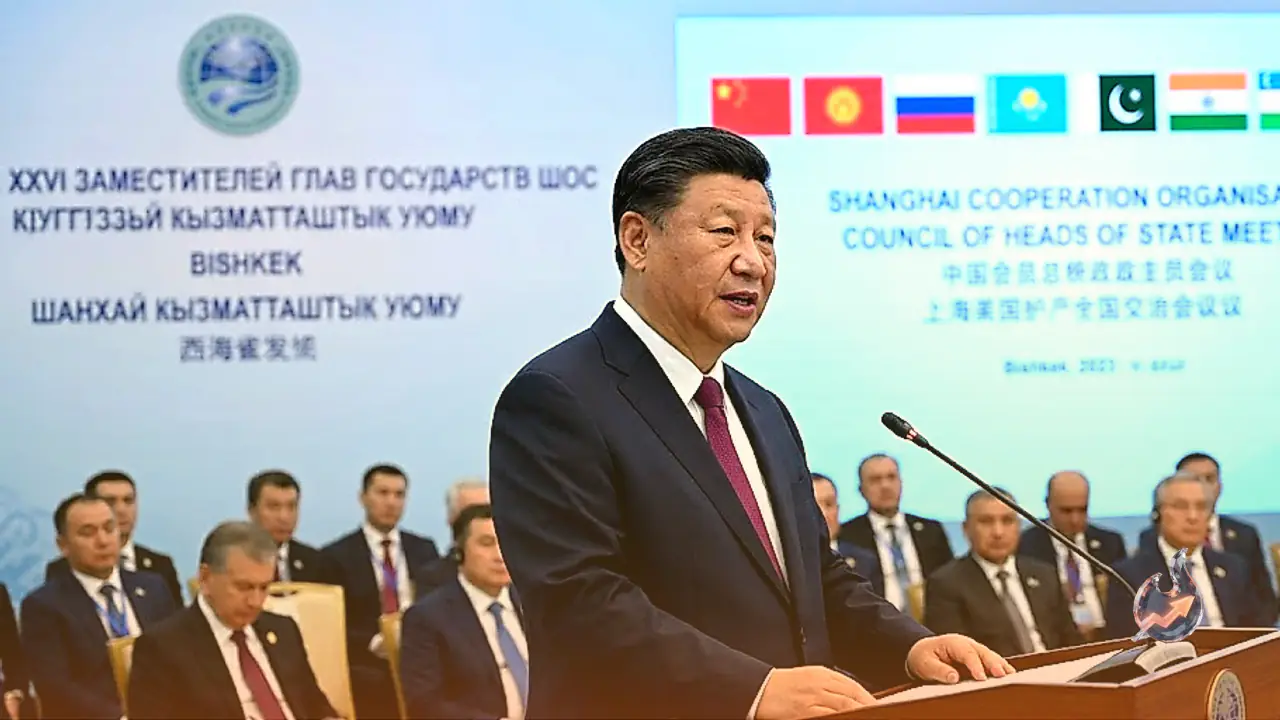
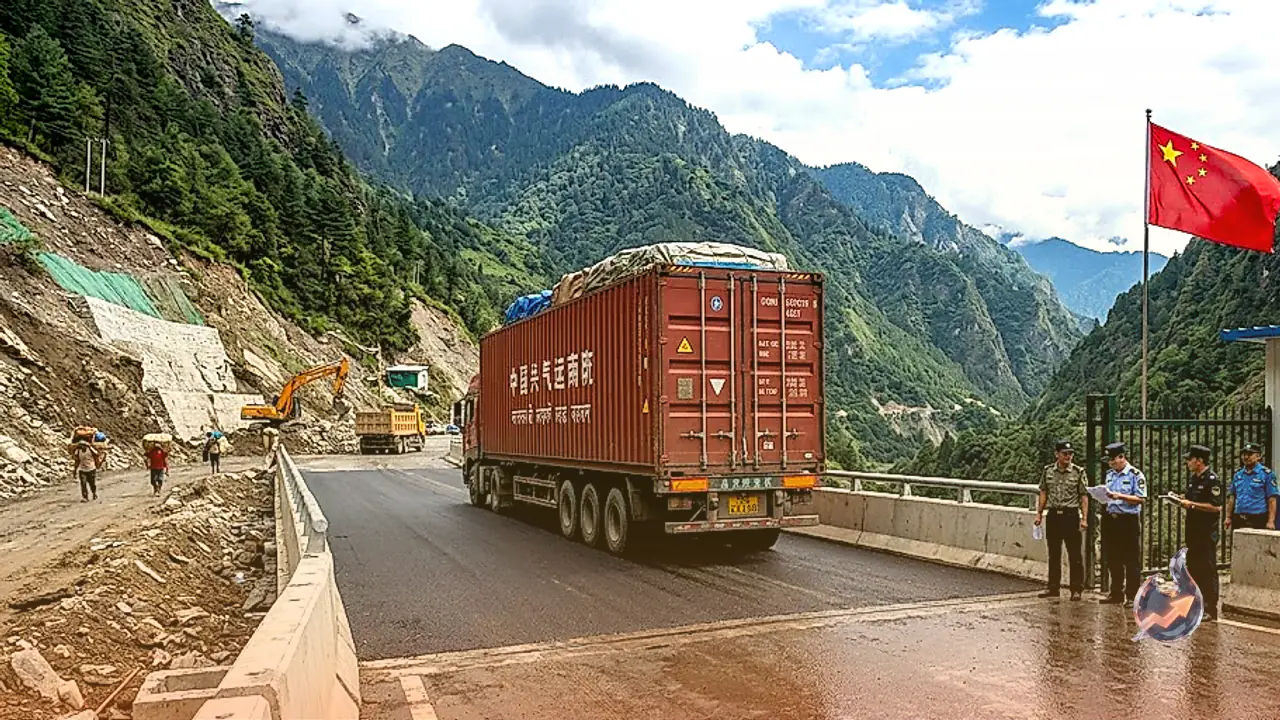
The China-Kyrgyzstan-Uzbekistan railway is counted among the most important Belt and Road cooperation projects between the three countries. The rail line will start from Kashgar in China's Xinjiang region and enter Kyrgyzstan via the Torugart Pass. From there, it will pass through Jalal-Abad before reaching Andijan in the eastern part of Uzbekistan. It is being seen as a key project for strengthening China's trade and transport connectivity across Central Asia.
The Real Goal, Bypassing Hormuz and Bab-el-Mandeb
The bigger significance of this project is geopolitical. Kyrgyzstan is followed by Turkmenistan, which in turn borders Iran, so there is speculation that China could eventually build a direct route to Iran via Turkmenistan as well. If that happens, China would no longer need to depend on sea routes like the Strait of Hormuz or Bab-el-Mandeb to bring in oil and gas from Iran and other West Asian countries. Both these energy corridors have already turned highly sensitive because of the Iran war and the activities of sea pirates, which is exactly why China is working to build a reliable land based alternative.