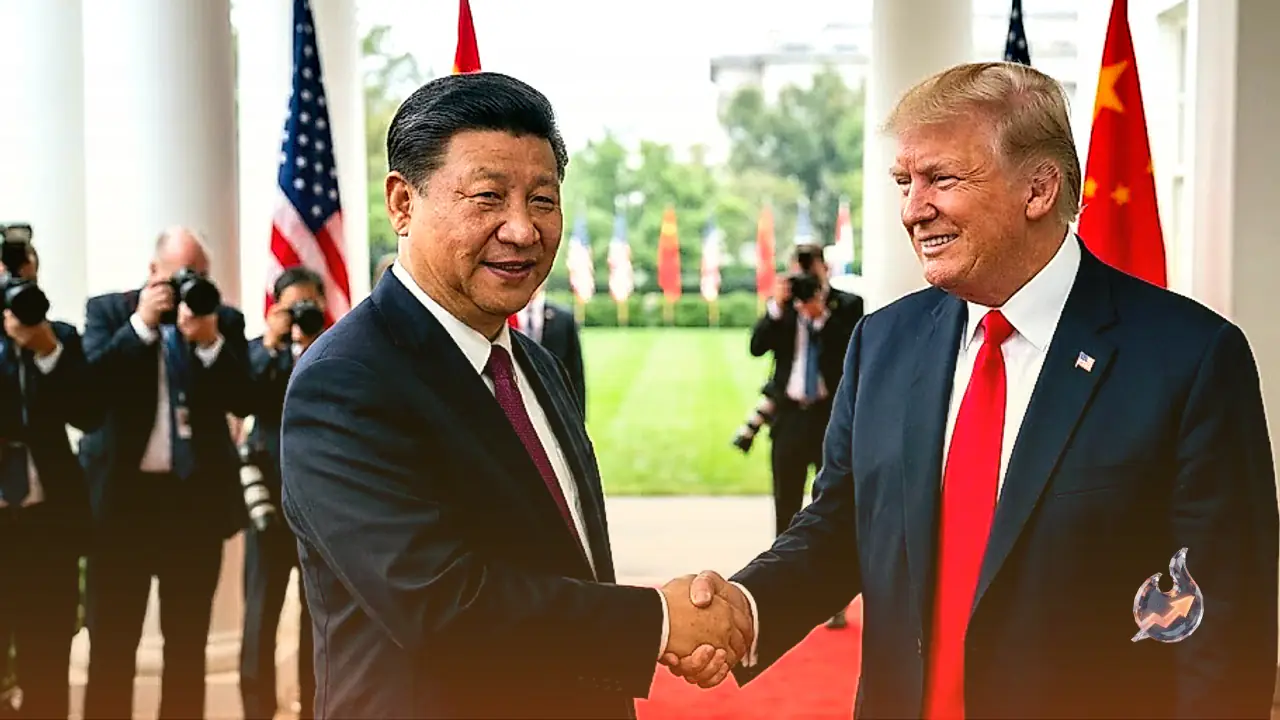



















A high-stakes gathering of political power and Silicon Valley capital is set to take center stage in Washington, as Chinese President Xi Jinping embarks on a pivotal three-day state visit beginning September 23. Marking his first official diplomatic trip to the American capital since 2015 and only his second state visit to the United States overall, the engagement comes amid delicate geopolitical maneuvering. While formal negotiations are scheduled between Donald Trump and Xi Jinping, global attention has converged around the exclusive state dinner planned for the evening of September 24 inside the historic East Room of the White House. Hosted by Donald Trump and First Lady Melania Trump for Xi Jinping and his wife Peng Liyuan, the banquet follows formal welcoming ceremonies and comprehensive bilateral talks. Yet beyond standard diplomatic choreography, the most heated debate across corporate corridors focuses on the roster of invited American business executives, and more notably, the prominent figures who have been excluded from the room.
Exclusive Seating and Heavyweight Tech Representation
Securing attendance at this diplomatic evening represents an extraordinarily scarce privilege, with capacity tightly capped at approximately 125 attendees. Donald Trump personally highlighted the fierce demand for entry, describing access as a very difficult ticket. Rather than populating the venue strictly with career diplomats and cabinet members, the administration curated an audience dominated by corporate leaders whose enterprises maintain intricate, vital links to the Chinese marketplace. The selected corporate chieftains oversee critical sectors spanning advanced artificial intelligence, semiconductor fabrication, electric vehicle supply networks, and vast cloud computing infrastructure.
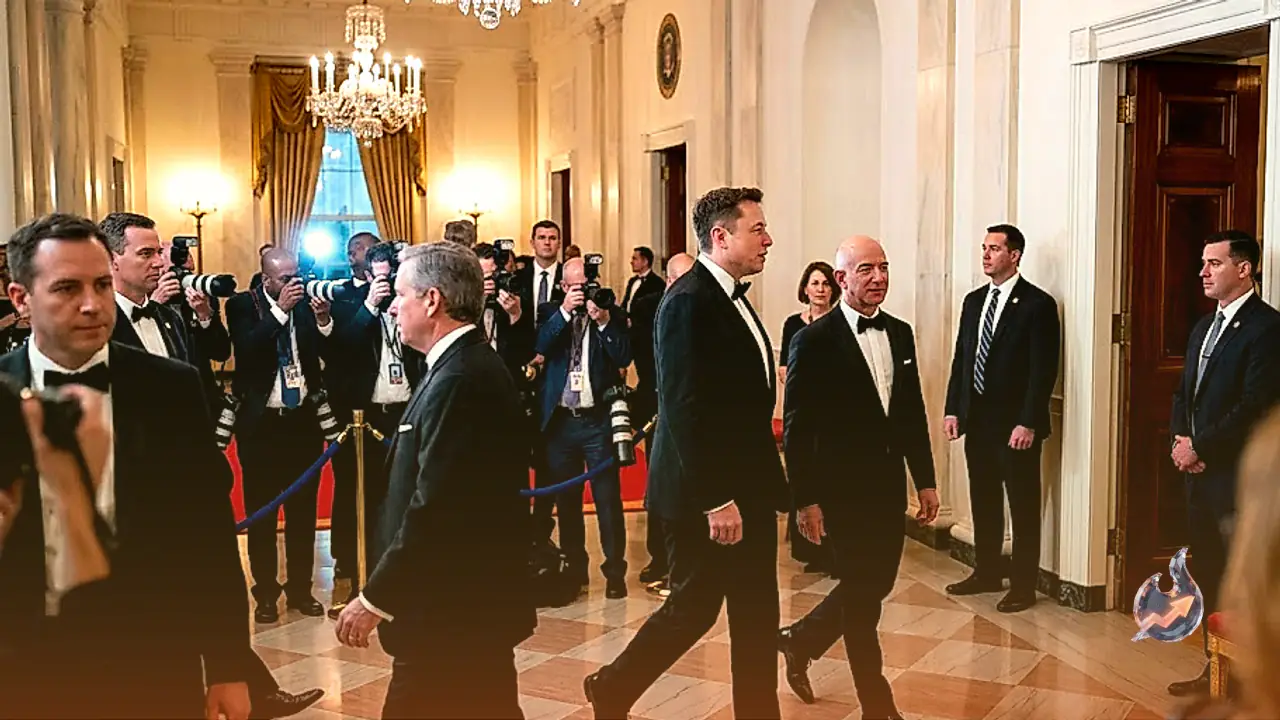
According to leaked guest selections, the attendees feature Tesla chief Elon Musk, Amazon founder Jeff Bezos, Alphabet and Google head Sundar Pichai, OpenAI leader Sam Altman, Apple chief Tim Cook, NVIDIA chief Jensen Huang, and Dell Technologies founder Michael Dell. Furthermore, Microsoft head Satya Nadella along with several other prominent corporate titans are reported to be attending the formal dinner. The deliberate emphasis on technological titans reflects a calculated recognition that the economic friction between Washington and Beijing is increasingly waged across digital and silicon frontiers.
The Omission of Mark Zuckerberg and Changing Ties
The most conspicuous missing figure from the assembled lineup is Facebook co-founder and Meta chief Mark Zuckerberg. When Barack Obama hosted a state banquet honoring Xi Jinping back in 2015, Zuckerberg stood among the evening's most scrutinized and prominent participants. That 2015 guest directory prominently featured Apple chief Tim Cook alongside Zuckerberg, ballet dancer Misty Copeland, and investor Mark Cuban. Despite Facebook being blocked within mainland China at the time, Zuckerberg secured an elite seat at the table, symbolizing the open ambitions of American social media networks to bridge ties with Chinese consumers.
For the 2026 engagement, early records show Zuckerberg completely omitted from the reported guest manifest. While official sources have not issued an explicit decree barring his attendance, and acknowledging that diplomatic guest sheets remain subject to late modifications, the absence has sparked widespread speculation. Observers note that prior political friction, including Facebook's historical decision to suspend Donald Trump from its platform, may serve as a lingering undercurrent shaping the White House guest selections.
A Shift from Hollywood Glamour to Strategic Technology
Comparing the 2015 dinner with the 2026 gathering reveals a fundamental transformation in how the White House frames the bilateral relationship. The 2015 banquet drew heavily from American popular culture, arts, and mainstream entertainment to project soft power. Figures such as filmmaker Lee Daniels, dancer Misty Copeland, and entrepreneur Mark Cuban lent that evening an air of Hollywood glamour, sending an intentional message that relations extended far beyond raw geopolitical calculations into shared cultural and societal domains.
The atmosphere surrounding the 2026 banquet presents a starkly utilitarian contrast. Creative luminaries and entertainment personalities are entirely absent from the reported lineup. In their place stands a formidable cadre of corporate leaders managing microchip foundries, foundation AI models, and enterprise cloud networks. Back in 2015, consumer web platforms and social networks commanded headlines. Over the past eleven years, the strategic center of gravity has migrated decisively toward computing supremacy, secure supply chains for electric vehicles, and critical mineral processing. The banquet roster underscores that contemporary diplomacy between Washington and Beijing is fundamentally defined by competitive technology.
Shifting Chinese Tech Representation and Jack Ma
This generational realignment is equally visible when reviewing Chinese corporate representation across the two eras. During his 2015 tour, Xi Jinping convened a prominent separate bilateral forum uniting American and Chinese technology titans. At that gathering, Alibaba founder Jack Ma featured prominently alongside executives such as Tim Cook, Jeff Bezos, and Satya Nadella. In the current 2026 dinner records, Jack Ma's name is completely absent. Although the definitive roster of the Chinese business delegation accompanying Xi Jinping remains a separate matter, the exclusion of early pioneers highlights how corporate standing has evolved in both capitals.
While Mark Zuckerberg attended in 2015 despite domestic Chinese bans on his core service, the spotlight in 2026 has definitively transferred to Elon Musk, Sam Altman, and Jensen Huang. This realignment illustrates how bilateral discussions have matured. Today, high-bandwidth memory, specialized accelerators, automotive software, and strategic trade safeguards dominate the dialogue, rendering consumer social media platforms secondary to national computing capabilities.
Full Schedule for the Three-Day State Visit
Xi Jinping's return to Washington following an eleven-year absence involves a tightly scripted diplomatic itinerary designed to convey formal respect. When the Chinese leader lands on September 23, Donald Trump will personally greet him at Joint Base Andrews, an exceptional departure from routine protocol that signals high ceremonial regard.
Activities intensify on September 24 at the White House with a formal welcoming ceremony, military reviews, and extensive bilateral discussions covering contentious matters including tariffs, critical mineral flows, trade imbalances, and artificial intelligence safety. The day culminates with the high-profile state dinner in the East Room. The diplomatic program concludes on September 25 with Donald Trump and Melania Trump joining Xi Jinping and Peng Liyuan for a private tea service, followed by a joint visit by both couples to the National Archives to view historic documents chronicling early American-Chinese diplomatic milestones. With cross-border tariffs and tech restrictions straining ties, the informal exchanges inside the East Room may set the tone for future bilateral negotiations.