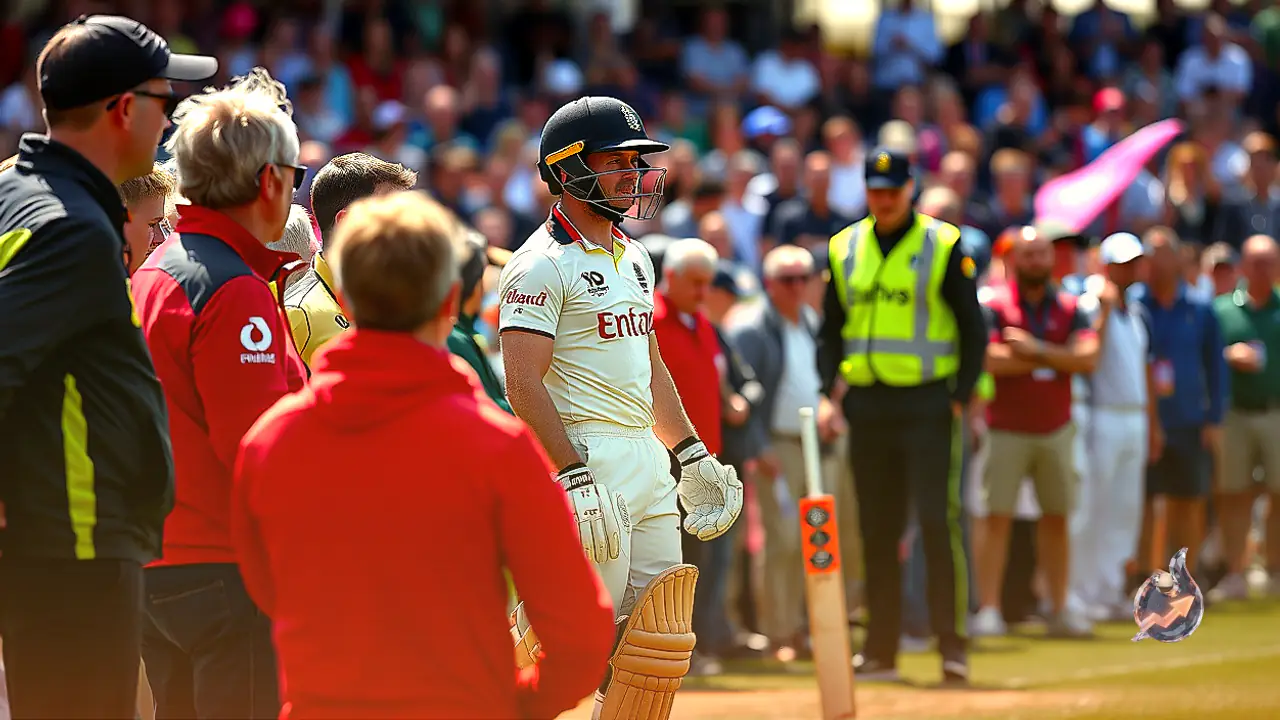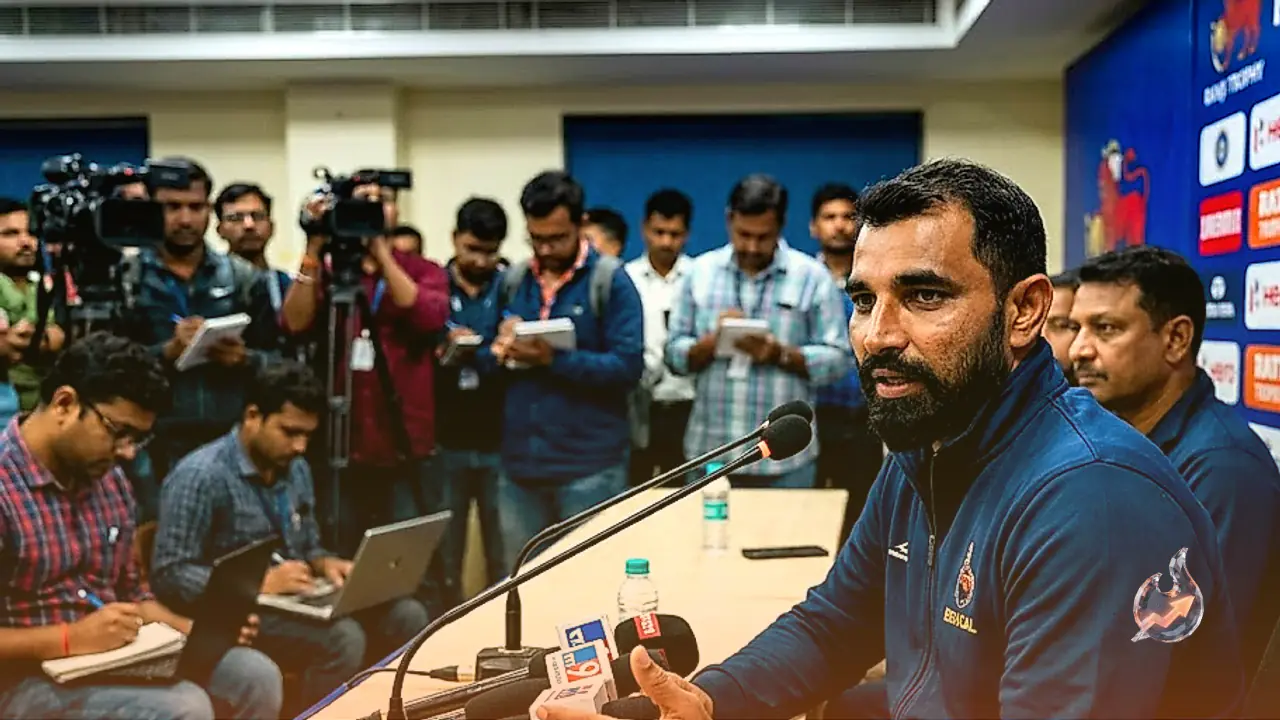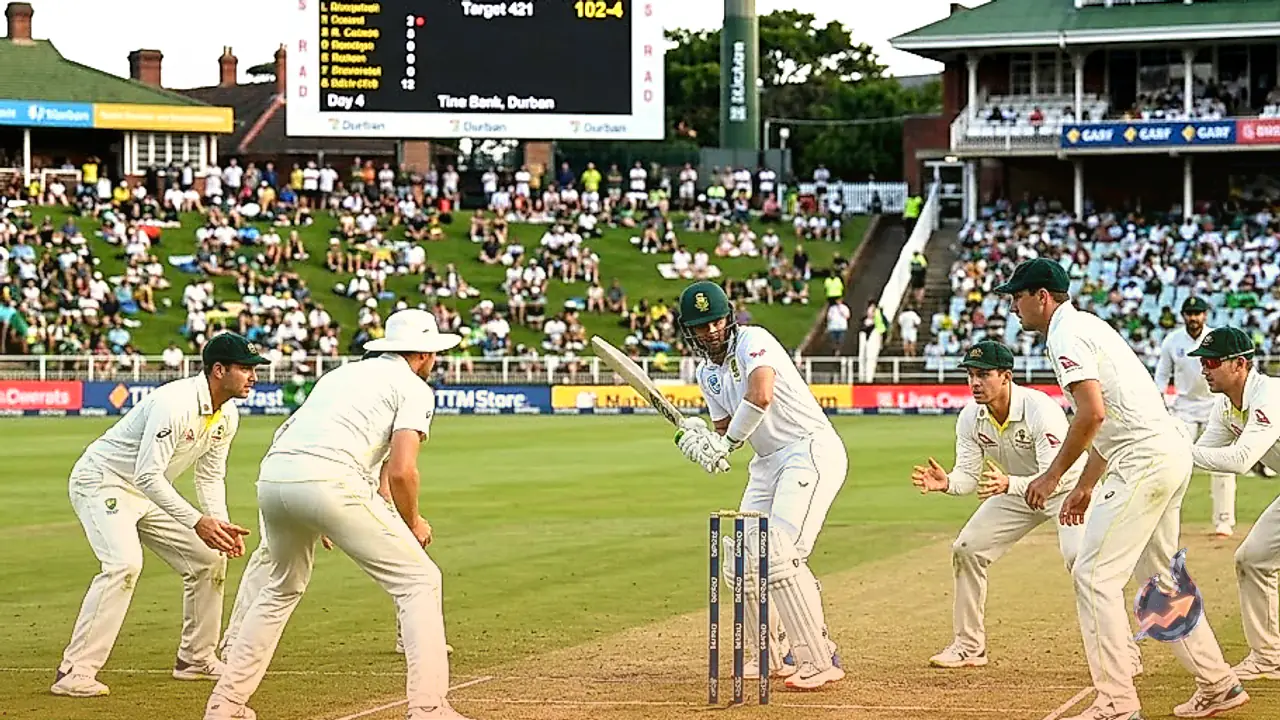




















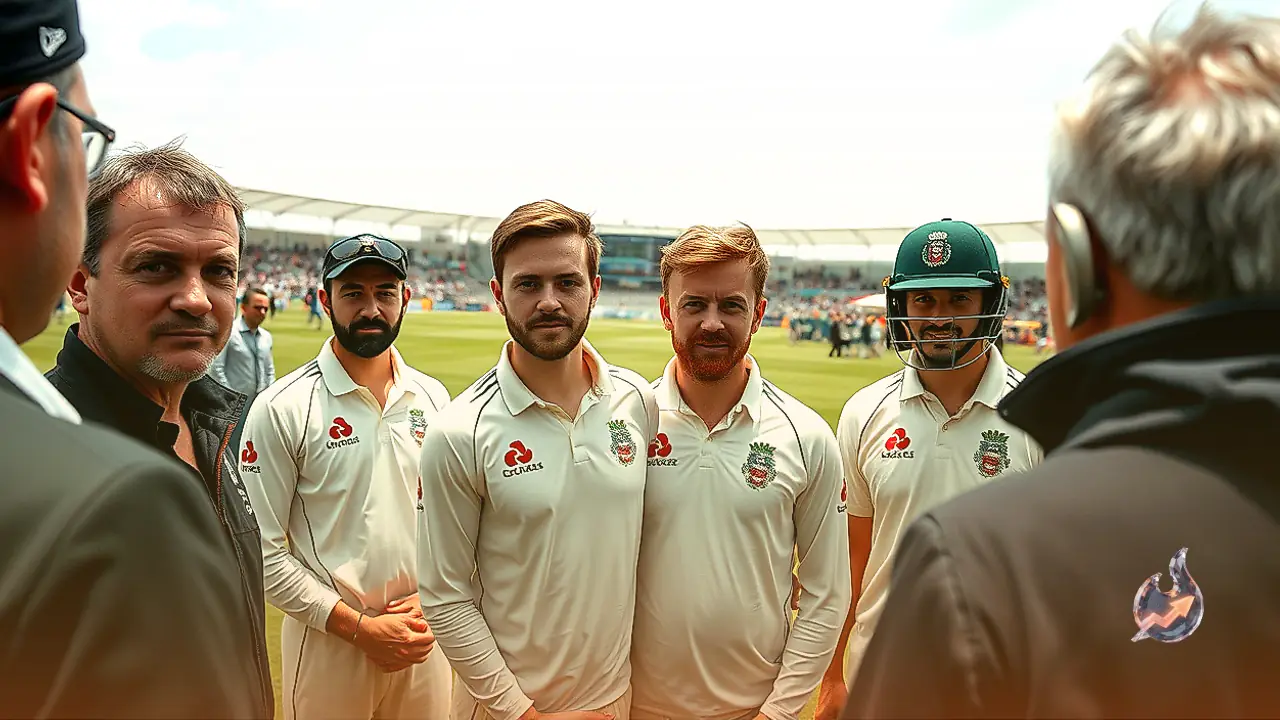

The upcoming Afghanistan Premier League, commonly known as APL, has run into significant controversy even before playing its first match. Amid rising concerns over the treatment of women under the Taliban administration, three prominent English cricketers have chosen to pull their names out of the tournament draft. The players who decided to step back include England's Test star Ollie Pope alongside David Willey and Will Smeed. These withdrawals come at a crucial time when discussions are actively underway within the England and Wales Cricket Board regarding whether to grant official permission to their players for participating in the Afghan league.
Ollie Pope recently captained the England Test team and secured a new one-year central contract with the board. His inclusion in the APL draft immediately triggered sharp criticism regarding potential English representation in the tournament, prompting Pope to promptly remove his name. According to media reports, Pope made this decision to withdraw even before the board's men's cricket director Rob Key made any public statements on the matter. David Willey and Will Smeed followed suit by withdrawing their names as well.
Strict Bans on Female Athletes Under Taliban Rule
Ever since the Taliban regained control of Afghanistan in 2021, severe restrictions have been imposed on women's basic rights and their participation in sports, sparking widespread international condemnation. Addressing this specific concern, the England and Wales Cricket Board has maintained a firm policy against playing bilateral cricket series against Afghanistan, although both national teams continue to face each other during major international multi-nation tournaments.
According to reports, the ECB faces a complex mix of legal and ethical challenges regarding the participation of English players in the APL. Board chair Richard Thompson noted last week that the organization must carefully evaluate the NOC issuance process for players heading to this league. He also hinted that domestic employment and trade laws in the UK could make legally barring players from competing quite difficult.
ECB men's cricket director Rob Key had also urged players to weigh the moral dimensions while making their individual choices. He acknowledged that legally restricting players from such commercial events is hard, leaving the ultimate choice in the hands of the athletes themselves. Key added that he personally disagrees entirely with the treatment of women in Afghanistan and would not participate in the league himself.
Uncertainty Looms Over the Tournament's Scheduling
Beyond player participation dilemmas, the overall staging of the Afghanistan Premier League faces deep uncertainty. Reports indicate that out of the five planned franchises, only three have been sold so far, casting serious doubts on the viable future of the competition. The league is currently scheduled to kick off on December 27 in the United Arab Emirates. With ongoing questions surrounding player availability and franchise ownership, it remains to be seen whether the tournament will manage to launch according to its original schedule.