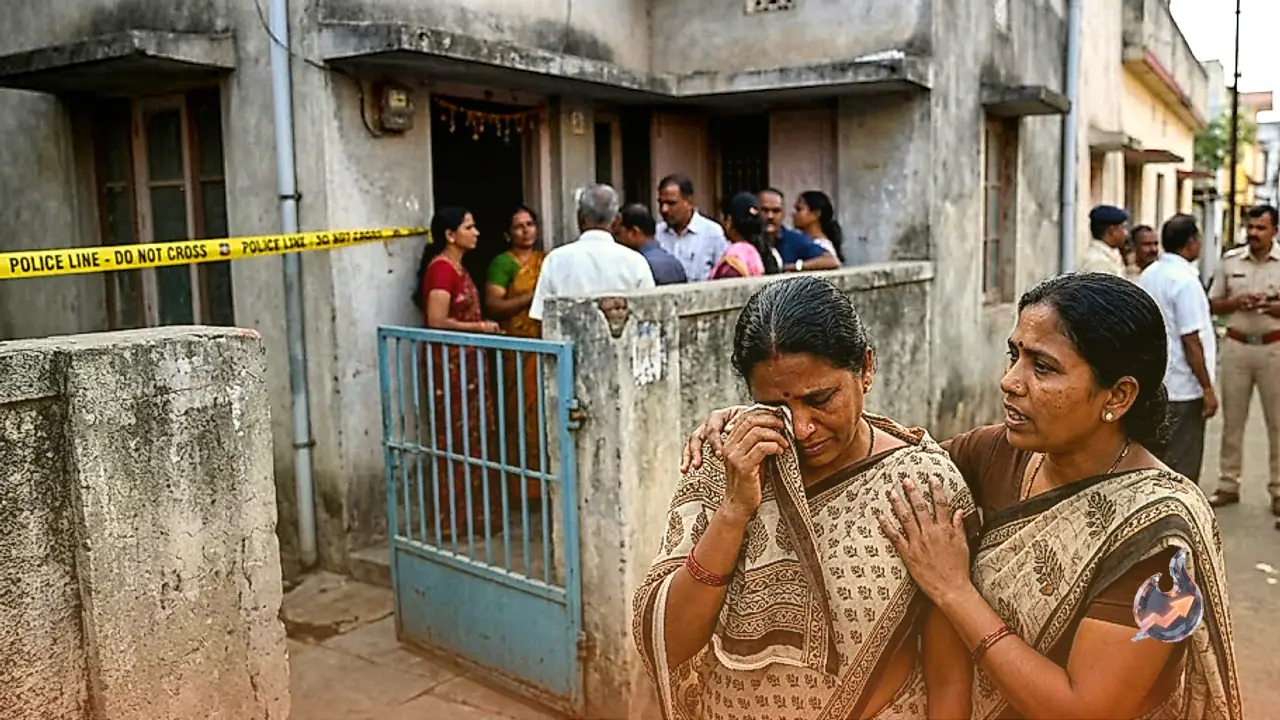























A police team in Delhi has broken up a call centre that spent weeks squeezing money out of unemployed people by dangling fake job offers from well-known companies. Officers from the Anti-Auto Theft Squad, attached to the North District and working alongside the local North District team, arrested five people running the operation out of a room in the Jharoda Majra area of Sangam Vihar.
A tip-off that led police to Jharoda Majra
The case opened on September 1, when the AATS and North District officers received specific intelligence about a suspicious call centre operating in Jharoda Majra, allegedly promising jobseekers positions at large companies in exchange for money. Once officers had cross-checked the tip, they raided the premises and found several tele-callers actively working the phones, running through a script with candidates on the other end of the line.
How the callers reeled in jobseekers
According to police, the accused were phoning people who were actively hunting for work and asking them for money at various stages of what they described as a recruitment process. Early findings suggest the operation followed a fixed, well-rehearsed pattern rather than random cold-calling. The callers dangled openings for roles including
- Data entry operator
- Data analyst
- Web designer
- Accountant
Candidates were then told that their profile had already been shortlisted and that a small payment was needed to kick off the recruitment process. To identify potential targets, the accused relied on an app called Job Hai Support, where jobseekers upload their own details and apply for openings at different companies. Investigators found that the gang paid particular attention to people who had applied for positions at Tata Motors, then called them while posing as representatives of the company's own recruitment drive, assuring them that selection was likely if they simply completed a few more steps.
It started at Rs 499, then never stopped
The very first payment demanded from a candidate was usually just Rs 499, described as a courier fee or a registration charge, an amount small enough that most people paid without much hesitation. But that single transaction was only the opening move. Once a candidate paid once, the callers came back again and again, inventing a fresh charge each time, sometimes for document verification, sometimes for registration and sometimes for other unspecified steps in the process. Police say victims were kept on the hook with repeated assurances that the job was all but confirmed and that only one more small payment stood between them and an offer letter.
Numbers went dead the moment payments stopped
Whenever a candidate refused to pay any further, or said they could not afford it, the accused blocked their mobile number on the spot and cut off every line of contact, leaving victims with no way to follow up or recover their money. During the raid, police recovered the following items from the premises
- 9 mobile phones
- 1 tablet
- 7 debit cards
- 2 bank passbooks
- 3 notepads with phone numbers written on them
- Rs 6,730 in cash
Investigators are now using these recovered items to trace how far the network's reach extended and how many people it had targeted before it was shut down.