



















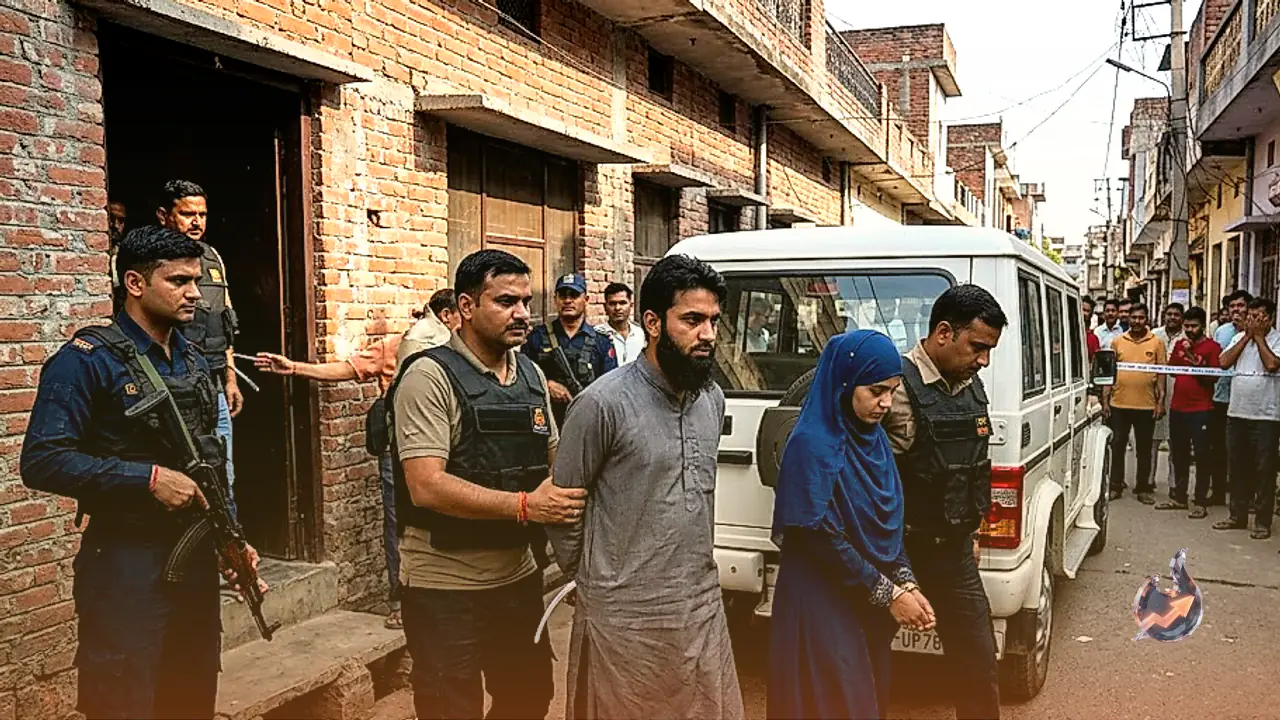

In a major counter-terrorism crackdown, the Uttar Pradesh Anti-Terrorist Squad picked up two individuals, Bakar Khan and his sister Uruj Fatima, from Kanpur on 22 August over suspected involvement in cross-border subversive networks. Security personnel took both suspects into custody following intelligence inputs pointing toward their potential communications and operational connections with elements based in Pakistan. Investigators are currently conducting intensive interrogations to uncover the full extent of their activities and identify any local handlers or operatives who may be assisting them.
Karnataka Detentions and the Expanding Four-Suspect Probe
The action in Kanpur is part of a wider, multi-state counter-espionage drive. Security agencies recently detained two other individuals, identified as Mohammad Samir and Salman, in Karnataka. Both men are being examined for their alleged links to Pakistan-based entities as well as the terror organization ISIS. Officials involved in the crackdown noted that a total of four suspects are presently under close scrutiny in connection with this specific operational chain. The Anti-Terrorist Squad, alongside central intelligence agencies, is actively cross-referencing call detail records, digital footprints, and financial transactions to map out the entire network spanning multiple regions.
Balrampur Operations: Capture of Suspected ISI Agent Shahraj Ahmad
This latest round of detentions follows another critical breakthrough achieved by the state security outfit last month. On 18 August, enforcement teams apprehended a 29-year-old suspect named Shahraj Ahmad from Jamdhara village, situated in the Balrampur district of Uttar Pradesh. Superintendent of Police for Balrampur, Vikas Kumar, formally confirmed the arrest of Ahmad, who was suspected of operating as an active asset for Pakistan's Inter-Services Intelligence agency.
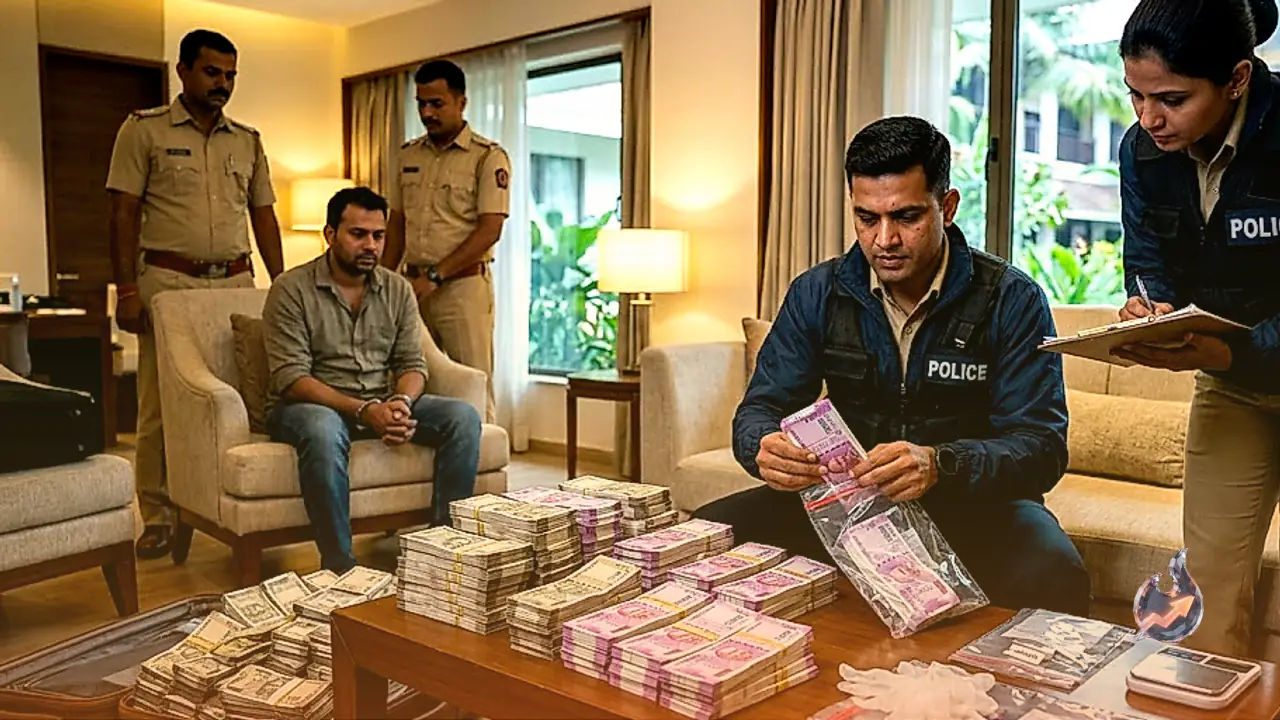
According to investigative details revealed by enforcement sources, Shahraj Ahmad previously earned his living as an embroidery artisan in Mumbai. While staying in the metro city, he allegedly established contact with ISI handlers through social media platforms including Facebook and encrypted communication software such as Signal. Investigations revealed that Ahmad had been drawn into a plot to carry out violent attacks, with his handlers assigning him the task of procuring firearms and explosive substances from Sri Ganganagar, located in Rajasthan. Following his capture in Jamdhara village, authorities registered a criminal case at the specialized ATS Police Station in Lucknow to facilitate detailed legal proceedings and custodial questioning.
Crackdown on Fake Document and Illegal Immigration Syndicate
Apart from counter-terror and anti-espionage actions, enforcement teams also targeted cross-border illegal migration networks active in the region. In July, law enforcement personnel captured Saddam, a resident of Raghunathganj within the Murshidabad district of West Bengal. Saddam was identified as the key mastermind behind an extensive inter-state criminal syndicate specializing in the fabrication of fake Indian identification credentials. He carried a cash reward of Rs 25,000 on his head prior to his capture.
The fraudulent network operated by Saddam made extensive use of forged birth certificates, fabricated residence proofs, and counterfeit school documents to fraudulently secure original government-issued identity cards, particularly Aadhaar cards, for foreign nationals entering India illegally. The principal beneficiaries of this illegal document scheme were undocumented immigrants hailing from Bangladesh and Nepal. Prior to Saddam's arrest in Murshidabad, law enforcement agencies had already dismantled several nodes of the racket, arresting 17 accomplices across Uttar Pradesh, West Bengal, and Bihar.