























Every year as the festive season approaches, television screens and social media newsfeeds are flooded with a fresh wave of advertisements. These commercials do not merely sell jewelry or apparel; they attempt to market emotions and compelling narratives. However, a recent Raksha Bandhan advertisement featuring Bollywood actor Kriti Sanon for a jewelry brand has unexpectedly stirred up a massive controversy for an entirely different reason, turning into a major talking point across digital platforms.
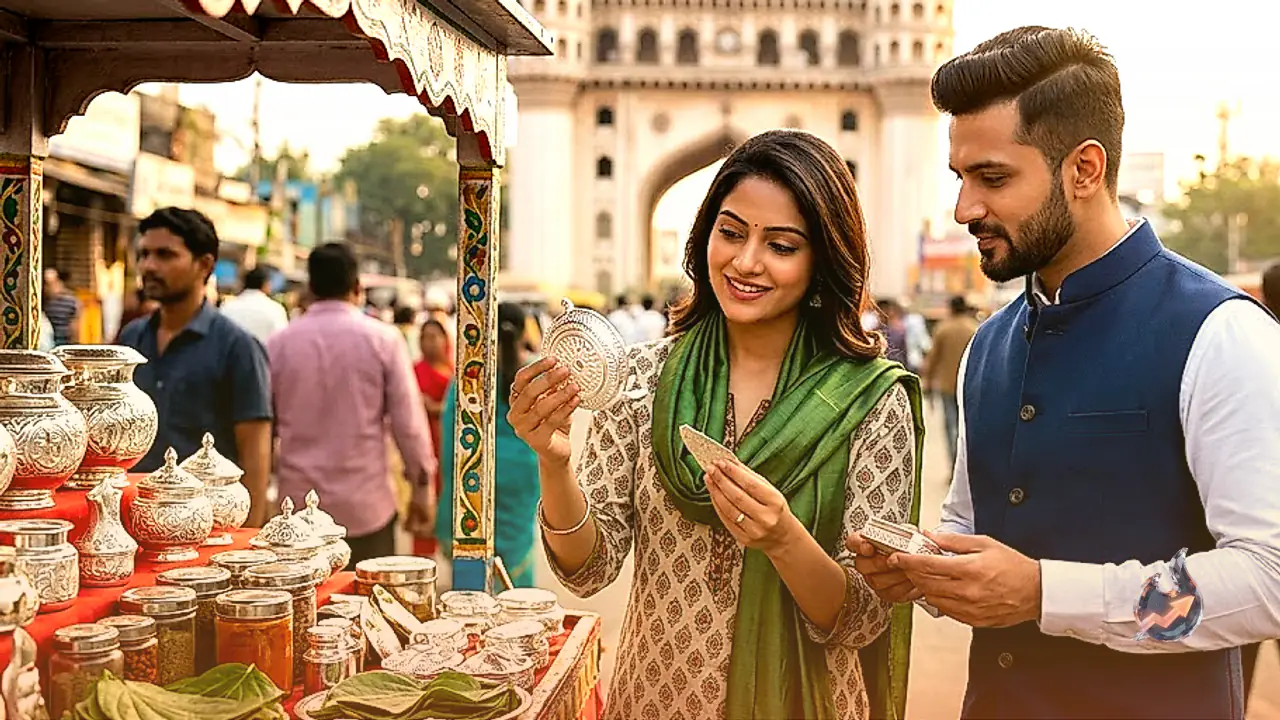
In the commercial, Kriti is seen celebrating Raksha Bandhan with her brother while also tying a rakhi to her pet dog, all while donning a decidedly modern and western-fusion outfit. Predictably, this single sequence split social media into two distinct camps. One faction argues that under the guise of trends and fashion, the sanctity of the festival is being diluted, whereas the other group champions it as a progressive and beautiful thought process that reflects contemporary reality.
What is the underlying truth behind this controversy? Are our traditions genuinely under threat, or have we simply grown accustomed to taking offense at minor things in this modern age? Analyzing this issue through the lens of a changing society reveals deeper layers. A widely circulated online thread recently drew intense focus specifically to the clothing worn by Kriti in the commercial, highlighting how polarized public sentiment has become regarding traditional attire versus modern styling choices.
The objections raised by traditionally inclined individuals and several social media users primarily stem from two core concerns: the styling of the clothing and the perceived commercialization of a sacred tradition. India has long possessed a distinct cultural code for festivals. When Raksha Bandhan is mentioned, traditional ethnic wear such as kurtis, sarees, or lehengas naturally comes to mind. Seeing Kriti in a bold and contemporary festive look led some critics to feel that the advertisement resembled a promotional campaign for an international fashion show rather than a traditional festival.
Skeptics argue that brands today, in their relentless pursuit to appear cool and evolved, often overlook the core essence of a festival. When every traditional practice is given a forced modern twist, it frequently diminishes the simplicity and devotional purity that has been handed down through generations. They believe that such departures risk alienating people from the foundational values of their heritage.
Conversely, a substantial segment of the population stands firmly in support of the advertisement. Their argument is that if we fail to expand our mindset over time, festivals risk becoming stagnant rituals disconnected from the younger generation. In an era dominated by nuclear families and single-person households, pets are no longer viewed merely as animals but as cherished family members. Many people have long practiced the emotional gesture of treating pets as symbols of protection and tying them rakhis. Depicting this in an ad is not an insult to tradition, but a celebration of unconditional love.
History demonstrates that attire, culinary habits, and ways of celebrating have continuously evolved. Wearing a kurti over jeans or celebrating a festival with modern jewelry does not diminish anyone's love or respect for their siblings. One of the harsh realities of the digital age is the ease with which controversies can be manufactured. Social media algorithms are deliberately designed to amplify reach and engagement wherever anger and heated debates occur.
Frequently, society tends to treat a thirty-second commercial as a severe cultural attack. If a brand chooses to represent a festival through a contemporary lens, can it genuinely dismantle centuries-old cultural foundations? If our cultural roots are truly robust, a single advertisement cannot shake them. We must remember that the primary objective of festivals is to bring people together, not to foster division. The true meaning of Raksha Bandhan is a pledge of safety and love, whether taken in traditional attire or modern garments, and whether celebrated with a brother or a loyal companion who provides a sense of security in daily life.
At the same time, brands must remain mindful not to tamper with the soul of any culture. Simultaneously, audiences should understand that not every modern adaptation constitutes an insult. Viewers must recognize that this is merely an advertising campaign. Today's younger generation is far more pragmatic and discerning than given credit for, perfectly capable of distinguishing between familial festival dignity and party-wear fashion trends.
Ultimately, society has no reason to harbor unfounded anxieties. The younger generation is deeply rooted; they are fully equipped and prepared to carry forward the beauty of their culture, values, and traditions with a modern outlook that embraces the evolving world.