





















Bastar is globally celebrated for its lush natural landscapes and rich tribal traditions. However, the identity of this historic region extends far beyond its dense forests and native arts, as it is deeply rooted in legendary tales of extraordinary courage and self-sacrifice. Among these inspiring historic chronicles, the saga of warrior Chameli Babi holds a revered place in local memory. Her commitment to dignity and her homeland continues to be sung across regional folk traditions. The recent unveiling of a public statue dedicated to her has brought renewed civic honor to her legacy of supreme sacrifice.
The Reign of Chakrakot and Chameli Babi's Military Command
According to historical oral accounts highlighted by senior journalist Avinash Prasad, the ancient region of Chakrakot served as the capital of Bastar under the rule of King Harishchandra. Chameli Babi, whose full formal name was Chameli Devi Nag, was the daughter of King Harishchandra and was affectionately known to the public as Chameli Babi. Beyond her royal status, she was an exceptionally skilled and fearless warrior. She served as the supreme commander of the state's military forces, leading the armed defense of Chakrakot with remarkable strategic discipline.
An Invader's Ultimatum and the Outbreak of War
Local traditions recall that an enemy monarch learned of Chameli Babi's extraordinary beauty and dispatched a message to King Harishchandra proposing marriage. The enemy ruler accompanied this proposal with a harsh ultimatum, threatening an immediate full-scale invasion of Chakrakot if his demand was turned down. Upon receiving the threat, Chameli Babi refused to surrender her dignity or bow to extortion. She firmly declared that if the hostile king desired battle, he should launch his assault without delay. Driven by rejected pride, the enemy forces initiated a fierce siege against Chakrakot.
Supreme Sacrifice on the Banks of the Indravati River
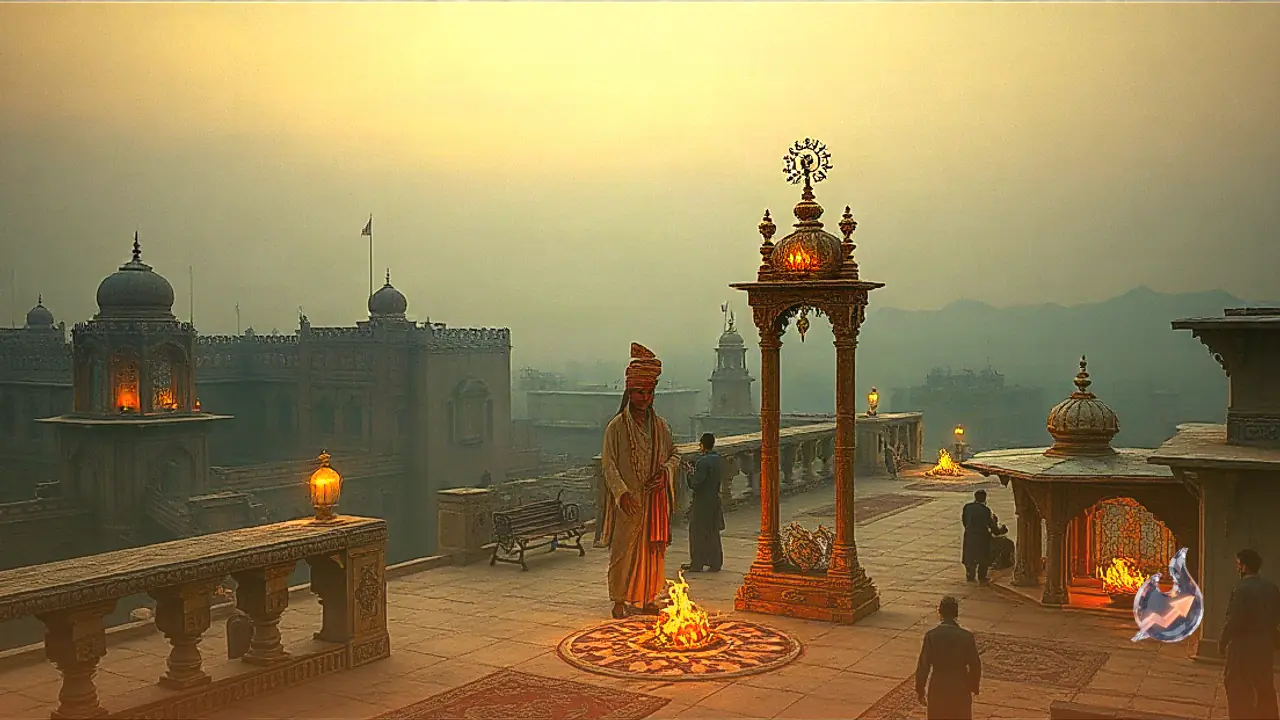
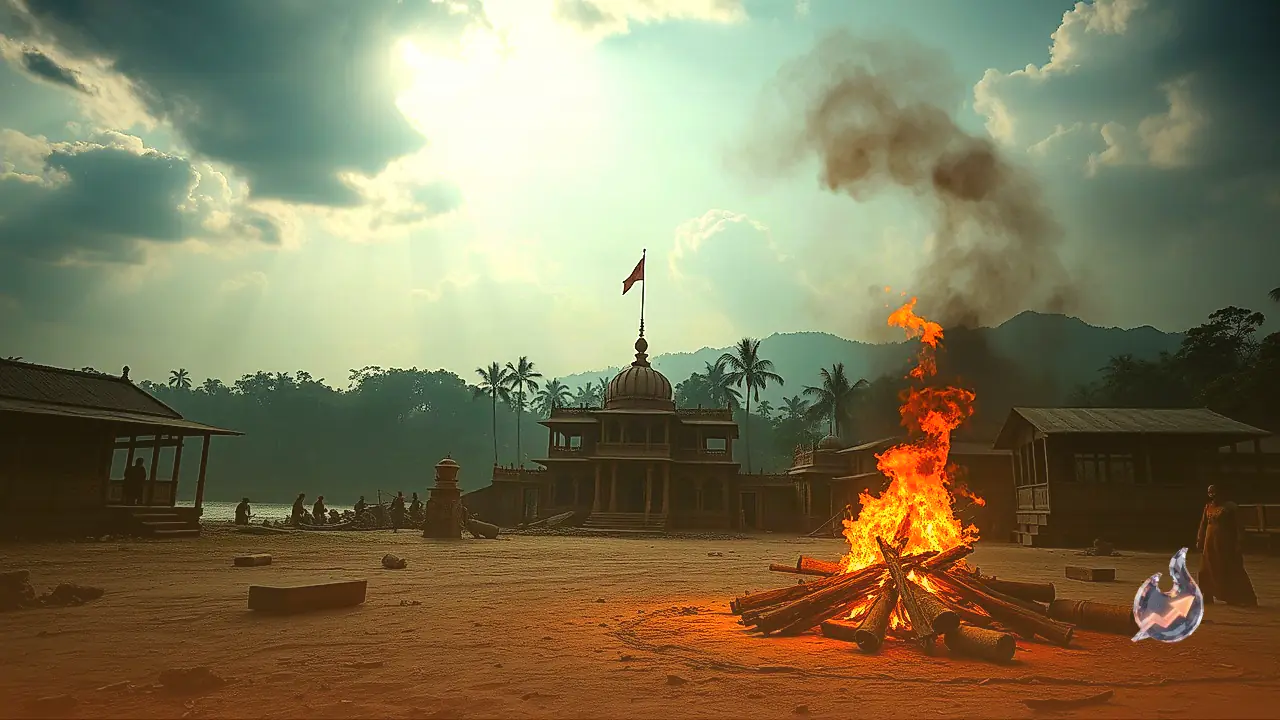
The defensive army of Chakrakot retaliated with great fortitude under the direct leadership of Commander Chameli Babi. However, the invading army held a massive numerical advantage over the defenders. As the intense conflict stretched over a prolonged period, Chakrakot's forces began to suffer heavy casualties and weaken. Realizing that military resistance against overwhelming enemy numbers was no longer sustainable and seeking to prevent capture, Chameli Babi made an immortal sacrifice. She committed self-immolation on the banks of the Indravati River near the royal palace, choosing martyrdom over dishonor.
Enduring Folk Memory and State Honor
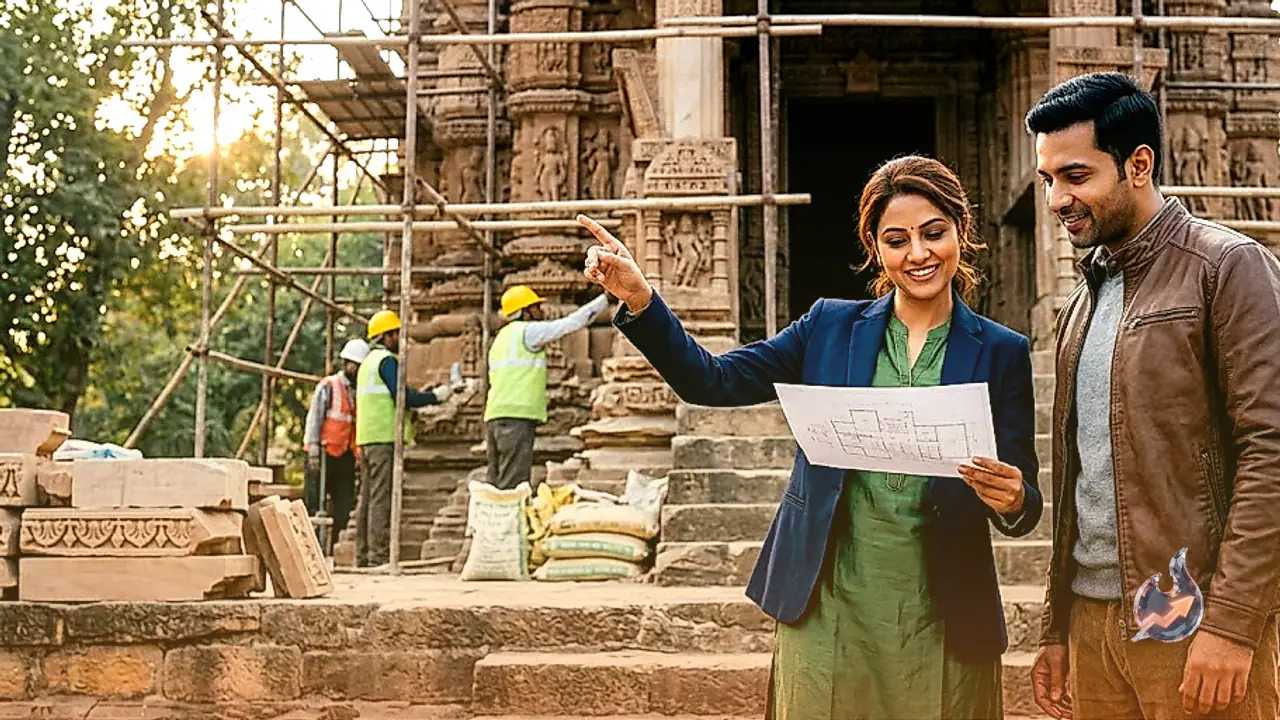
The bravery and ultimate sacrifice of Chameli Babi remain permanently etched in the cultural fabric and folk ballads of Bastar. Her life stands as an inspiring testament to female leadership and patriotic devotion in regional history. The recent installation of her commemorative statue by the government ensures that her legacy receives formal public tribute, keeping the heroic narrative of Chameli Babi alive for generations to come.