





















Choosing the right honorific during daily conversation, formal correspondence, or when addressing elders enhances the refinement of language and reflects proper etiquette. In Hindi, three distinct terms are predominantly used to convey respect toward men or esteemed personalities. However, many speakers treat these terms as interchangeable synonyms, applying them loosely without recognizing their underlying grammatical, semantic, and historical differences. For students preparing for competitive examinations and language enthusiasts seeking a firm grasp of Hindi vocabulary, understanding these nuances is essential.
Symbol of Divine Grace and Respect: Shri
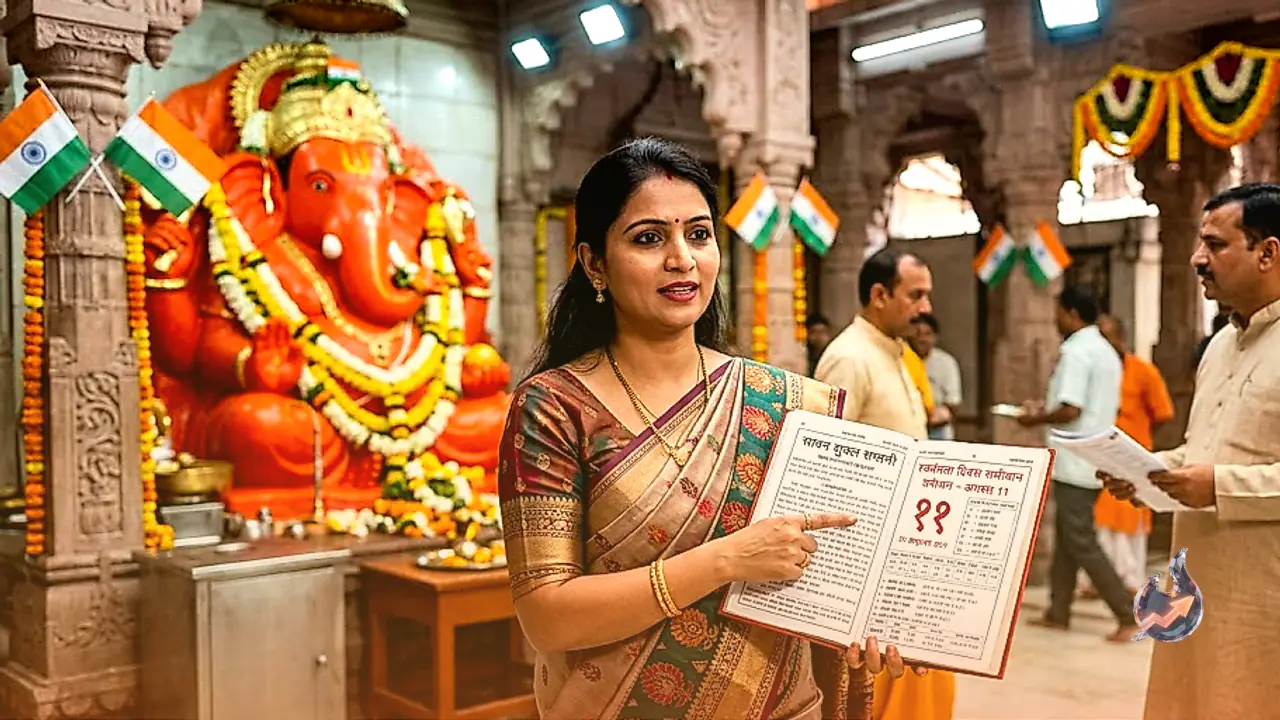
The first term is far more than a routine prefix attached to a person's name; it serves as a profound symbol of prosperity, grace, and honor. According to traditional belief systems, this word is also recognized as an epithet of Goddess Lakshmi. Prefixing this honorific to a person's name signifies that the speaker considers them worthy of dignity and abundance.
From a grammatical perspective, the usage of this term extends beyond living individuals. Apart from adult men, it is routinely prefixed to the names of social institutions, revered deities, and sacred scriptures to demonstrate veneration. For instance, it is commonly affixed before a personal name or used prior to religious texts such as the Shrimad Bhagavat to express deep devotion.
Direct Address and Formal Etiquette: Shriman
The second honorific is composed of two linguistic components: 'Shri' (representing honor or prosperity) and 'Man' (signifying possession). Together, they form a term that literally translates to a man endowed with respect. In contemporary usage, it functions as the direct Hindi equivalent of formal English titles such as Mister or Sir.
A widespread misconception exists that this term applies exclusively to married men. Language rules clarify that this belief is entirely incorrect. It can be appropriately used to address any respected or elder male directly, or to open formal written communications, regardless of marital status. For example, it is used in direct address such as 'Shriman, listen to me' to initiate polite discourse.
Historical Royalty and Aristocratic Status: Shrimant
The third term combines elements denoting grandeur and possession, carrying the literal meaning of an extraordinarily wealthy, powerful, or royalty-endowed individual. Historically, this expression was never an ordinary everyday greeting. Instead, it represented a highly prestigious royal title conferred upon nobility.
During the Maratha Empire, this honorific held immense historical prominence. It was bestowed as a mark of supreme respect upon Peshwas, ruling monarchs, chieftains, and eminent commanders. Historical records from Maratha history frequently highlight the use of this royal title before the names of Peshwas and the heads of the Scindia royal family of Gwalior.
Comparative Summary of Usage
To clearly distinguish these three forms of address in practical communication, keep the following distinctions in mind
- Shri: A sacred and respectful prefix placed before names, symbolizing prosperity, grace, and dignity (e.g., Shri Dev Kumar).
- Shriman: A direct form of address used to speak to a man politely, serving as the Hindi counterpart to Sir or Mr.
- Shrimant: A formal designation for exceptionally prosperous individuals and a historical royal title associated with Maratha rulers and nobility.