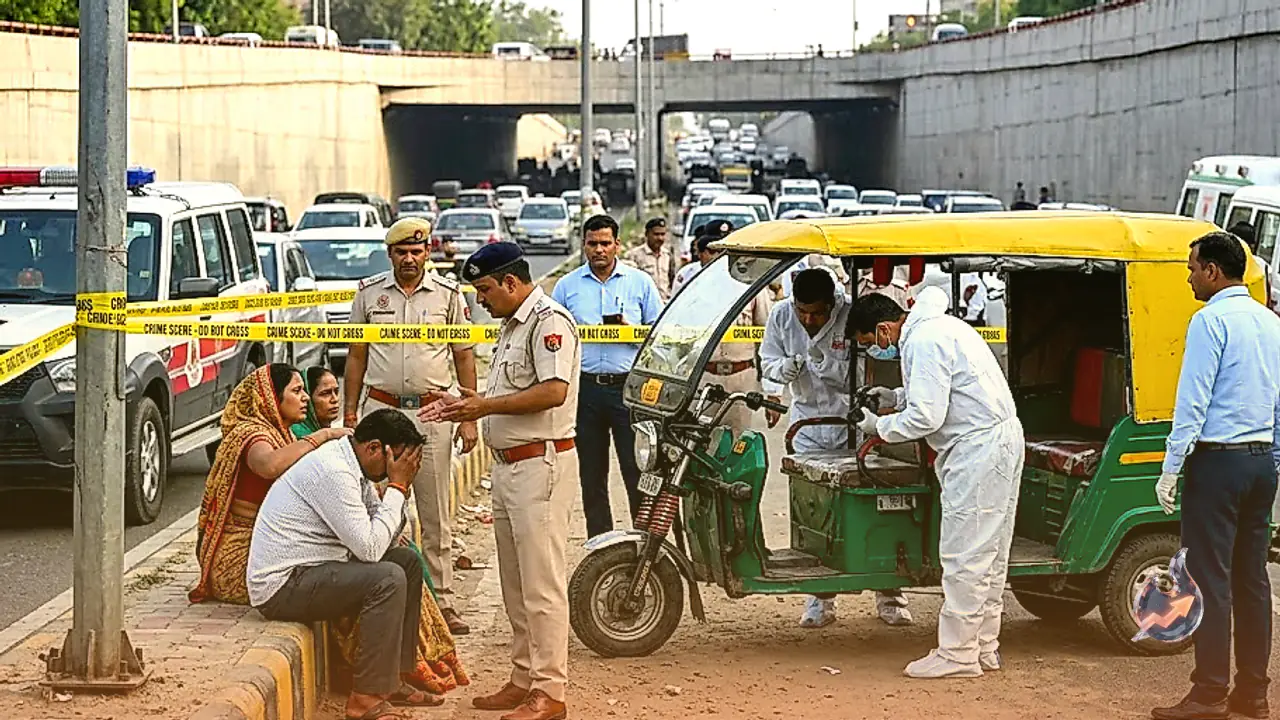


















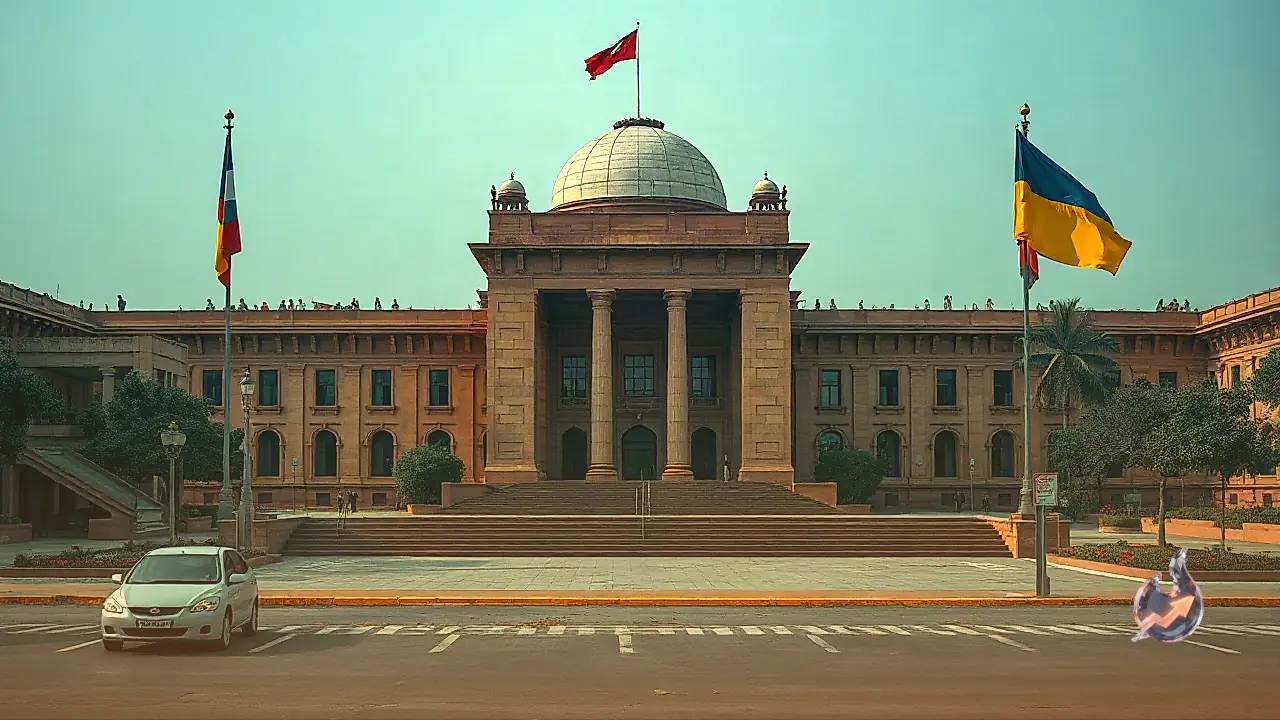

A special court in the national capital has granted substantial relief to foreign nationals implicated in an alleged Myanmar drone training controversy. Following half a year of incarceration, American citizen Matthew VanDyke alongside six individuals from Ukraine received judicial clearance to travel back to their home nations for a duration of one month to reunite with their relatives. The granted timeline officially commences on the precise date each passenger boards their outward international departure.
Constitutional Liberties and the Return of Travel Credentials
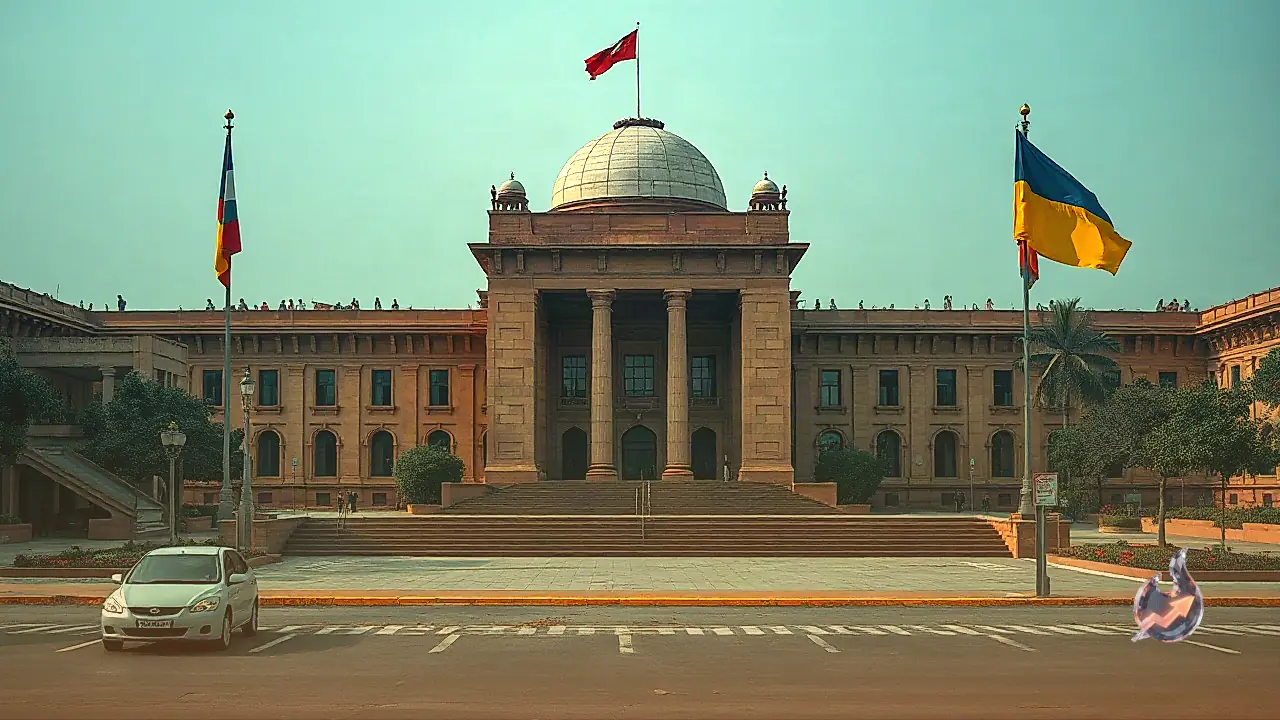
Presiding over the case at the Rouse Avenue court complex, Special Judge Prashant Sharma observed that exercising the freedom to travel overseas is inherently linked to fundamental protections embedded within the Constitution of India. Guided by this principle, the court sanctioned the applications filed by all seven individuals and directed authorities to release their confiscated passports. The decision follows their earlier entitlement to statutory default bail, paving the way for their formal discharge from Tihar Jail before embarking on their journeys.
Mandatory Repatriation Timelines and Strict Reporting Protocols
The granted overseas relief remains strictly temporary and is accompanied by several binding stipulations. Judicial guidelines mandate that each of the seven persons must return to Indian territory immediately upon the conclusion of the thirty-day window. Furthermore, within 72 hours of their arrival back in the country, they are required to submit formal notification directly to the court confirming their return.
Investigative Cooperation and Communication Safeguards
The individuals must remain accessible whenever the premier investigative agency requires their participation in procedural inquiries. Compliance can take place either in person or via video conferencing facilities depending on case needs. Within 24 hours of the directive, each accused person must supply current residential coordinates, functioning mobile contact details, and an active email address. If an individual lacks a functional cellular line immediately, they may temporarily provide a relative's telephone number, provided their personal active contact is submitted within one week of landing abroad.
Prosecution Perspective and Ongoing Case Inquiries
During the courtroom deliberations, Special Public Prosecutor Rahul Tyagi and advocate Amit Rohilla represented the central investigative agency. The prosecution informed the bench that supplementary inquiries in the matter were still progressing. Nonetheless, the prosecution conceded that the immediate physical attendance of the seven foreign citizens was not urgently required at this juncture. Consequently, investigators did not oppose the foreign travel requests, advising instead that proper written undertakings be recorded from each traveler before departure.
Additional Legal Respite Under Immigration Statues
Advocates Rohit Dandriyal and Rohit Gaur, appearing on behalf of American citizen VanDyke, moved an additional plea seeking discharge from select charges framed under the Immigration and Foreigners legislation. Counsel highlighted the compounding resolution achieved on September 18, prompting the court to endorse that request as well. The substantive judicial ruling granting conditional international movement to all seven foreign citizens was formally passed on September 24.