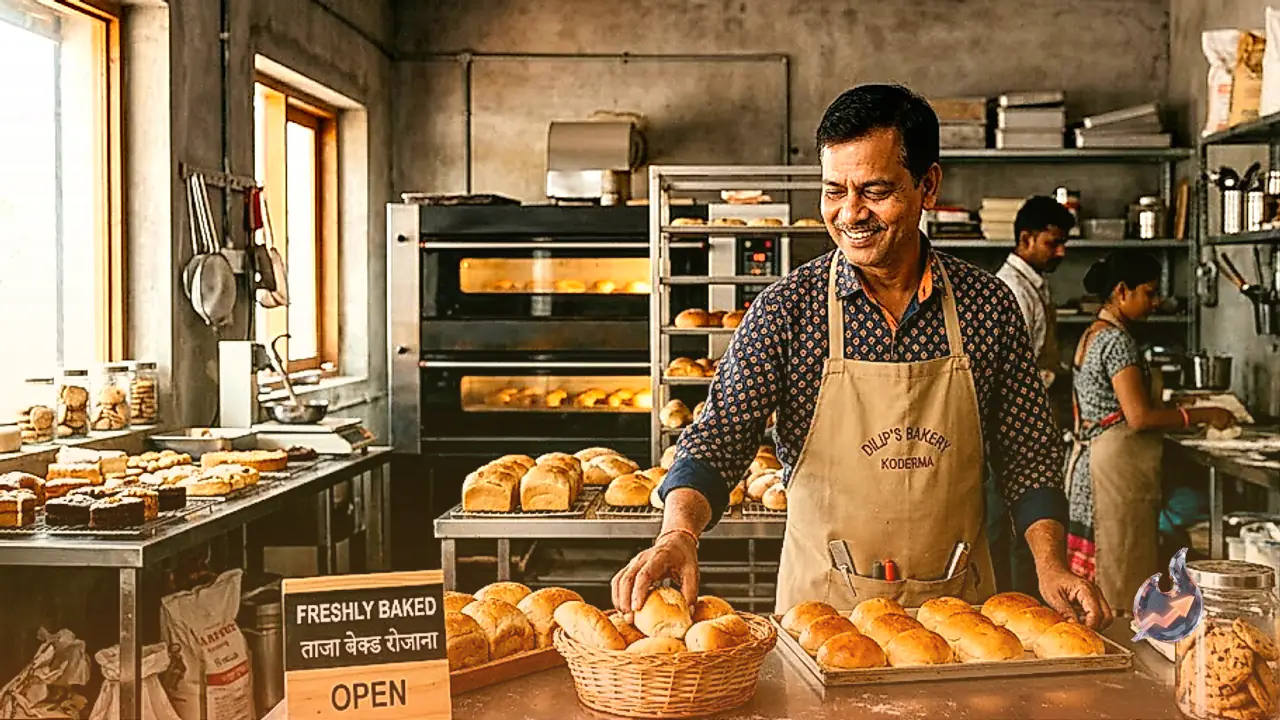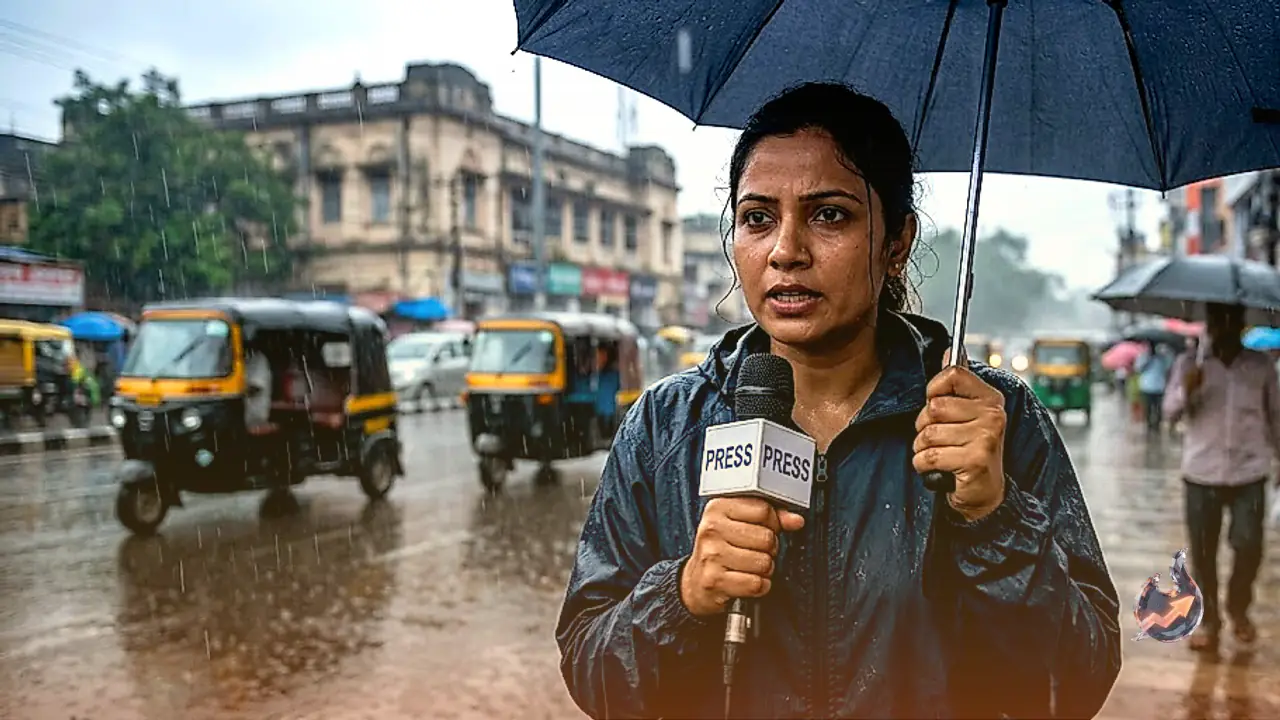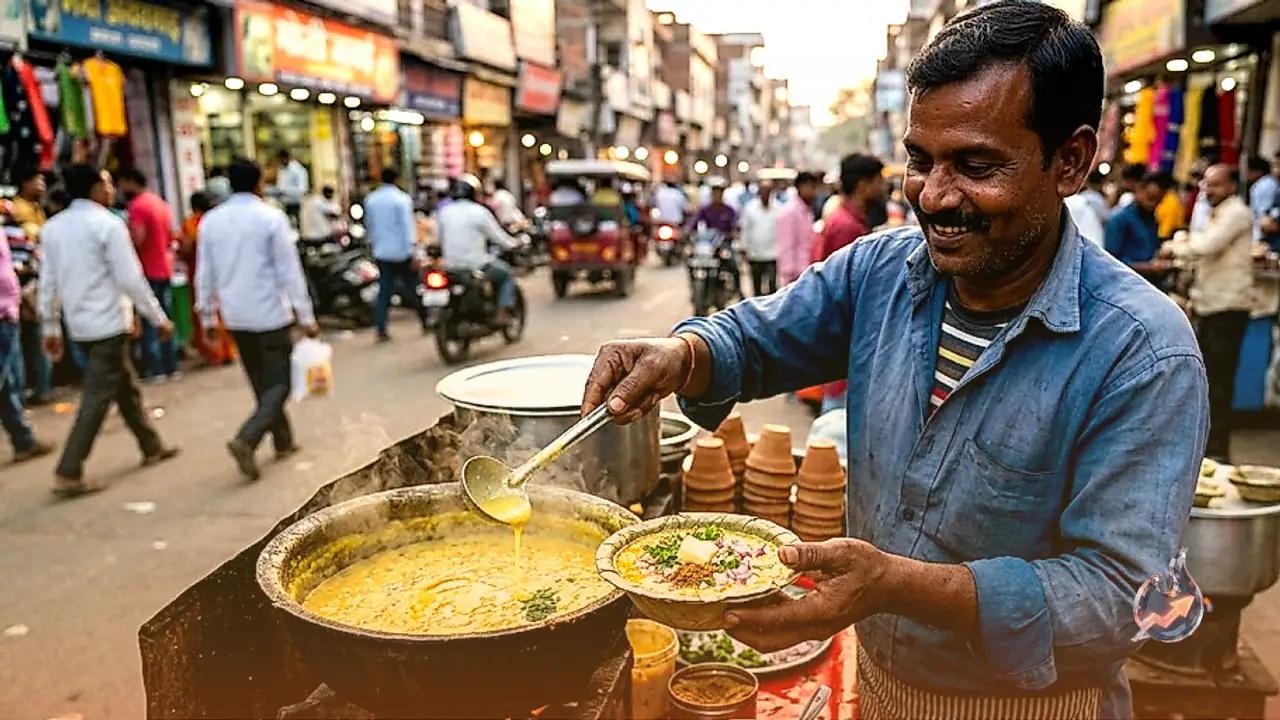

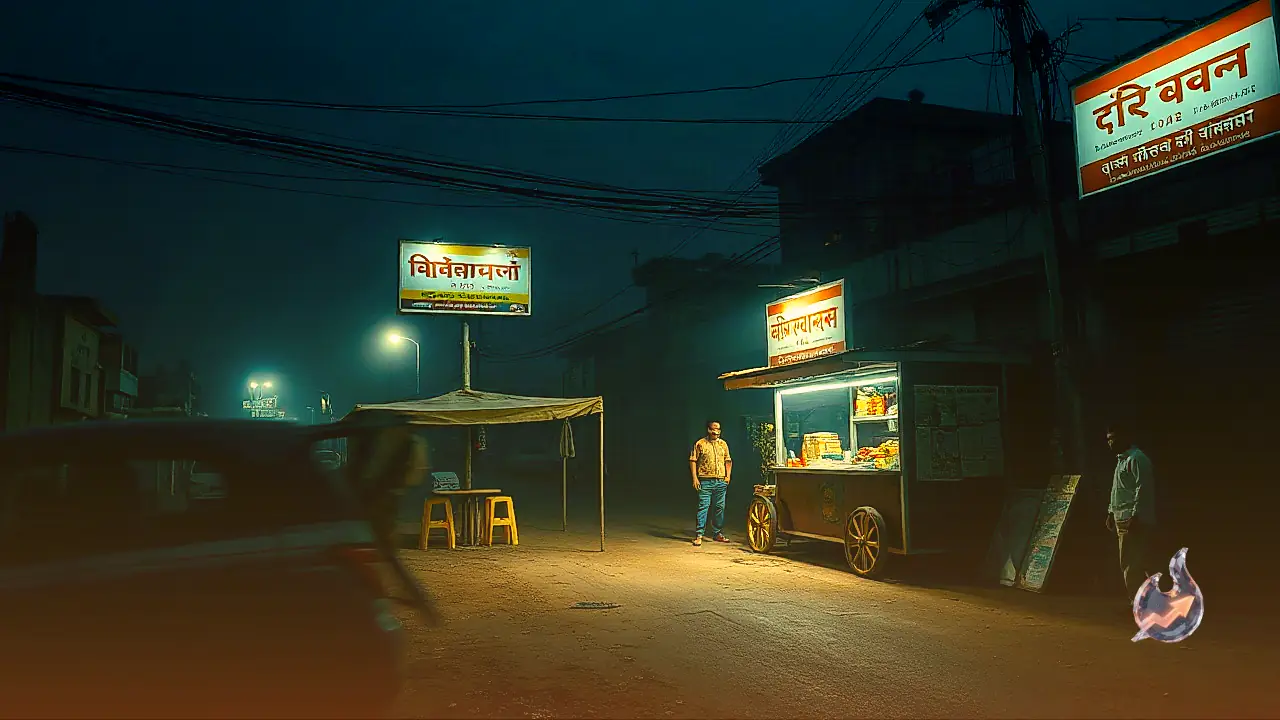



















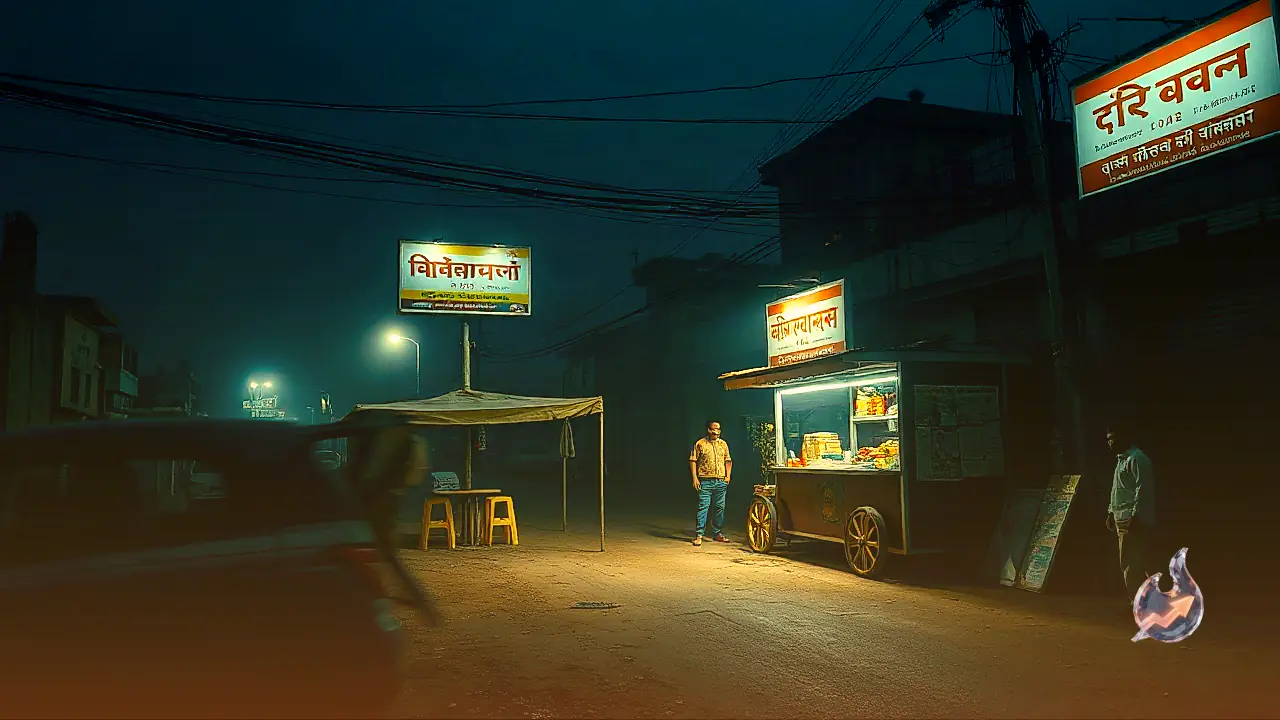

A modest food counter in Jharkhand's capital city of Ranchi has rapidly evolved into a major culinary hotspot for lovers of regional delicacies. Operating for barely five months, the outlet has seen its traditional dhuska achieve such intense popularity that patrons stand patiently in pouring rain just to enjoy a serving. The bustling crowd persists consistently from early morning until late evening. Dilip, the man behind the venture, has demonstrated that even basic, everyday street foods like cutlets or samosas can be cultivated into a powerhouse brand when managed with modern discipline. His steady journey offers a practical blueprint for food entrepreneurs aiming to transform an ordinary venture into a thriving business.
Leveraging Short Digital Videos for Zero-Cost Promotion
The initial pillar of Dilip's expansion plan centered on making thorough use of social media channels. Recognizing that nearly every customer carries a smartphone, he realized that capturing everyday kitchen routines and food preparation does not require complex equipment. To connect with local audiences, he committed to posting two to three short videos daily showing the food being prepared and served at the stall. This regular visual presence allowed potential diners to see exactly what was on offer and how it was made, establishing effective, organic word-of-mouth marketing without spending money on paid campaigns.
Uncompromising Ingredient Standards and Cooking Oil Quality
While digital outreach can generate initial curiosity, sustained patronage depends entirely on the food itself. Dilip points out that if eye-catching online clips bring diners to the counter only for them to find substandard food, the entire enterprise collapses. To guarantee genuine taste, he refused to cut corners on raw materials or cooking methods. The frying medium remains visibly pure, open for any customer to inspect upon arrival. The kitchen strictly relies on a specific branded mustard oil, ensuring that the traditional aroma and authentic texture of every batch remain consistently high.
Prioritizing Hygiene in Compact Food Spaces
Cleanliness represents an essential priority for contemporary diners, reshaping expectations around street food stalls. Dilip observes that modern consumers are readily willing to spend an extra five hundred rupees for a clean meal, but they firmly reject unhygienic conditions. For anyone running an outlet regardless of its physical size, maintaining pristine hygiene across counters, utensils, and serving zones is vital. Keeping the entire workspace spotless reassures visitors and builds lasting credibility that ordinary roadside stalls often overlook.
Attentive Hospitality and Constructive Feedback Handling
Interacting with patrons in a warm, welcoming manner is another cornerstone of operational stability. Dilip emphasizes serving each diner with care while actively requesting their thoughts on the dish, inquiring whether any aspect could be improved. When customers arrive in a hurried mood or show slight impatience, handling them calmly and cordially prevents conflict and builds loyalty. This patient communication is a deliberate skill that every business owner must practice to retain everyday visitors.
Focusing on Core Strengths Instead of Chasing Market Trends
A frequent misstep among emerging business owners is chasing widespread market fads without possessing the right culinary expertise. Dilip warns against launching a pizza counter simply because pizza joints are crowded elsewhere. Instead, founders should pinpoint the one product they prepare better than anyone else and devote full energy to mastering it. Sticking to this focused identity has yielded remarkable results for his Ranchi outlet. Business inquiries regarding potential franchise partnerships are now pouring in, and dedicated patrons are even transporting his freshly packed dhuska aboard flights to Kolkata.