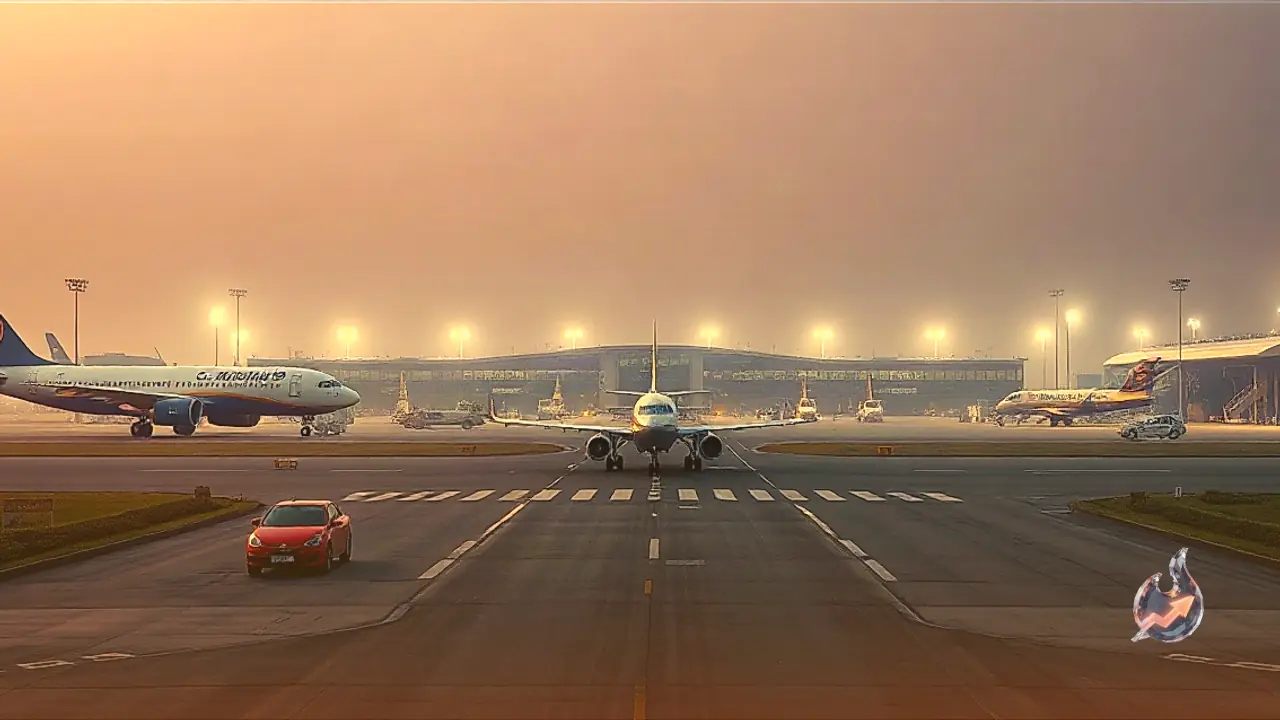























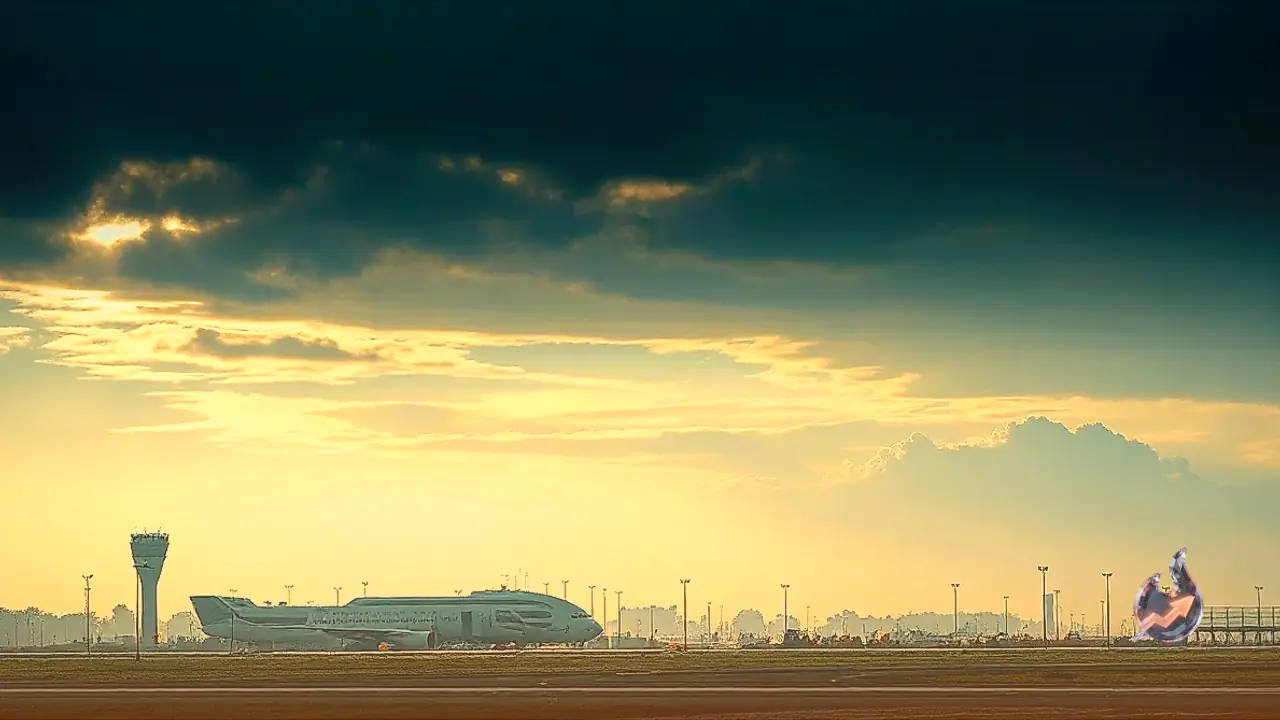

Air travellers using the country's busiest aviation hub, Indira Gandhi International Airport in Delhi, are set to experience smoother journeys as operations resume on its refurbished third runway, designated 11R/29L. The facility is scheduled to welcome back commercial takeoffs and landings starting September 20, directly curbing flight delays and easing congested holding patterns above the capital. All mandatory regulatory clearances, including formal approvals from the Directorate General of Civil Aviation (DGCA), have been secured following the completion of an extensive infrastructure overhaul that spanned approximately seven months.
Comprehensive Rehabilitation Following 17 Years of Service
Operational data shared by airport operator Delhi International Airport Limited (DIAL) indicates that the third runway originally entered service in 2008. The asset had operated continuously since its commissioning, enduring non-stop aircraft movements to support rapid aviation growth. While intermediate maintenance work was executed in 2017, the wear and operational fatigue accumulated over nearly seventeen years demanded a thorough engineering intervention. Consequently, an extensive rehabilitation initiative was launched in February 2026, systematically upgrading the airstrip to contemporary international safety benchmarks over the subsequent seven months.
Key Structural and Technological Enhancements
The modernization programme introduced several major physical and navigational upgrades across the entire runway footprint. Structural teams carried out comprehensive pavement strengthening and resurfacing, producing a resilient asphalt profile capable of supporting heavy wide-body jetliners with minimal touchdown turbulence. To accelerate aircraft turnaround on the airfield, engineers constructed a new Rapid Exit Taxiway known as RET Z1. This strategic bypass allows arriving flights to vacate the active landing strip swiftly, substantially reducing runway occupancy time and clearing the path for trailing arrivals.
Navigational resilience during adverse weather and northern India's notorious winter fog has been bolstered through an advanced airfield ground lighting installation. This high-efficiency illumination framework guarantees superior ground visibility and operational safety under demanding atmospheric conditions. Additionally, engineering teams finished permanent threshold displacement works on runway 29L, bringing greater spatial efficiency and safety margins to daily approach and departure sequences.
Alleviating Airspace Congestion and Supporting Air Traffic Management
During peak operational windows, elevated air traffic frequently forced Air Traffic Control (ATC) to place incoming aircraft into circular holding patterns above the National Capital Region. The temporary closure of runway 11R/29L constrained overall slot capacity, compounding delays on the tarmac and in the sky. With the third runway returning at full operational tempo, air traffic controllers regain essential routing flexibility. This milestone reinforces the capital's hub readiness for escalating passenger volumes, delivering tighter flight schedules and fewer airborne holds starting September 20.