



















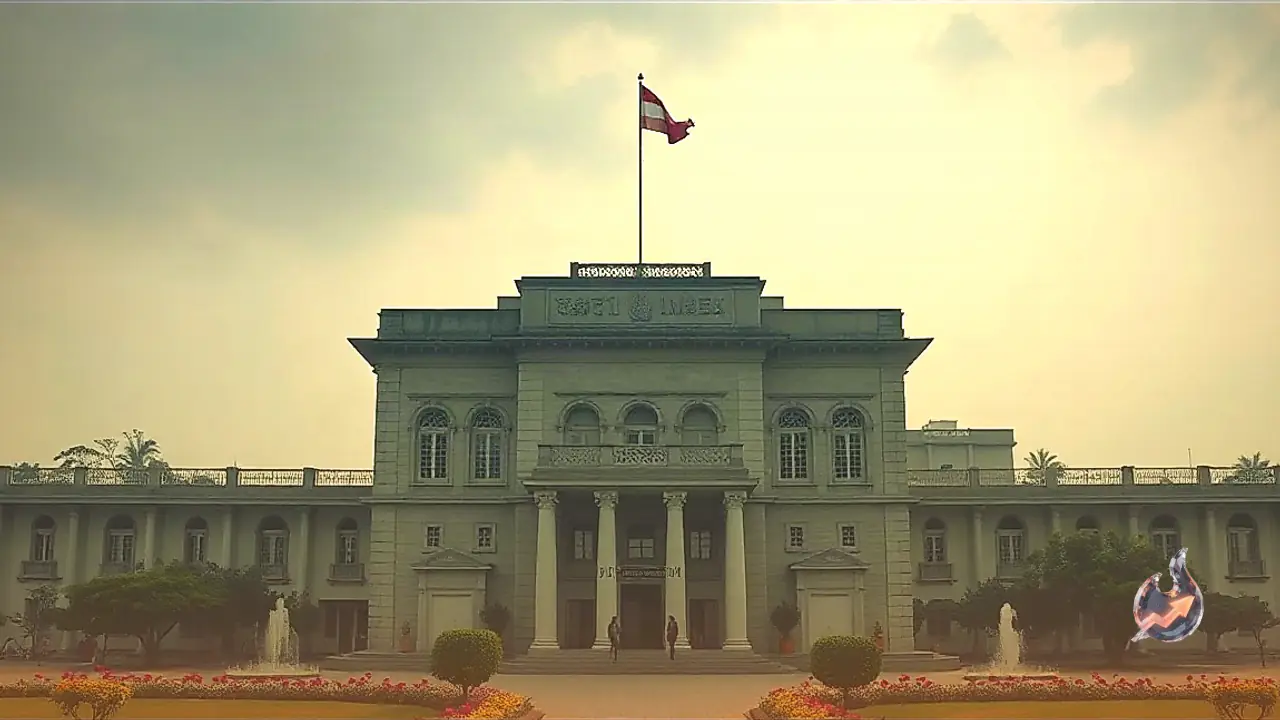

The final results of the Delhi University Students Union elections 2026 have been announced, cementing the supremacy of the Akhil Bharatiya Vidyarthi Parishad across the prestigious university. The student organisation registered commanding victories in three out of the four central panel positions, dealing a major blow to its rivals. In sharp contrast, the Congress-backed National Students Union of India failed to win even a single seat. Meanwhile, the contest for the vice president post produced a stunning political upset, as rebel independent candidate Deepanshu Shokeen claimed a landslide victory, completely dismantling established electoral calculations across the campus.
ABVP Asserts Dominance Across Three Key Posts
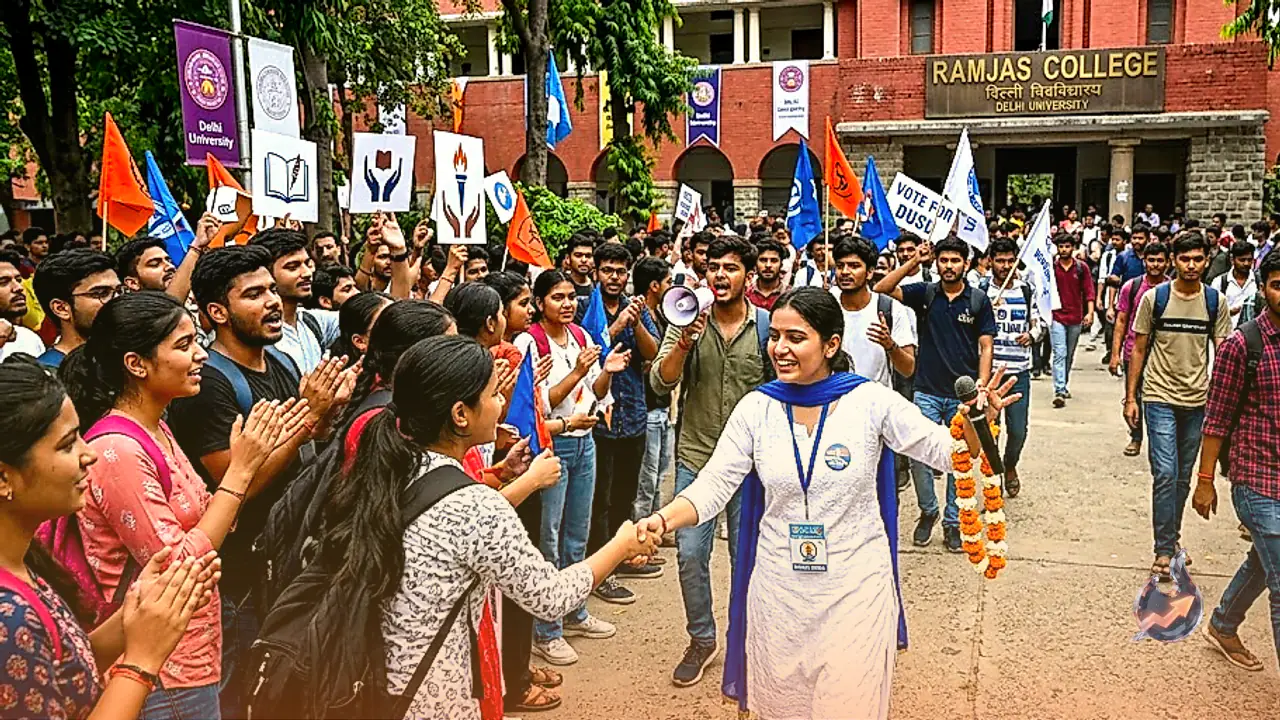
The performance of the ABVP in this election underscored its deep organizational roots across Delhi University. By capturing the three crucial seats of president, secretary, and joint secretary, the council proved that its sustained on-ground mobilization continues to resonate with voters. Supporters and representatives viewed this outcome as an endorsement of their agenda centered around nationalism, constructive campus governance, and institutional development. Throughout the campaign trail, opposition groups mounted aggressive rhetorical attacks and attempted to raise polarizing issues, but these verbal duels failed to sway the wider electorate.
Ordinary students opted to support leaders who had demonstrated a consistent presence on campus over the entire year, actively addressing daily student grievances, accommodation needs, and library facilities. The decisive outreach drives organized during the final leg of the campaign served as a significant advantage, particularly across diverse academic departments.
Independent Deepanshu Shokeen Breaks Traditional Equations
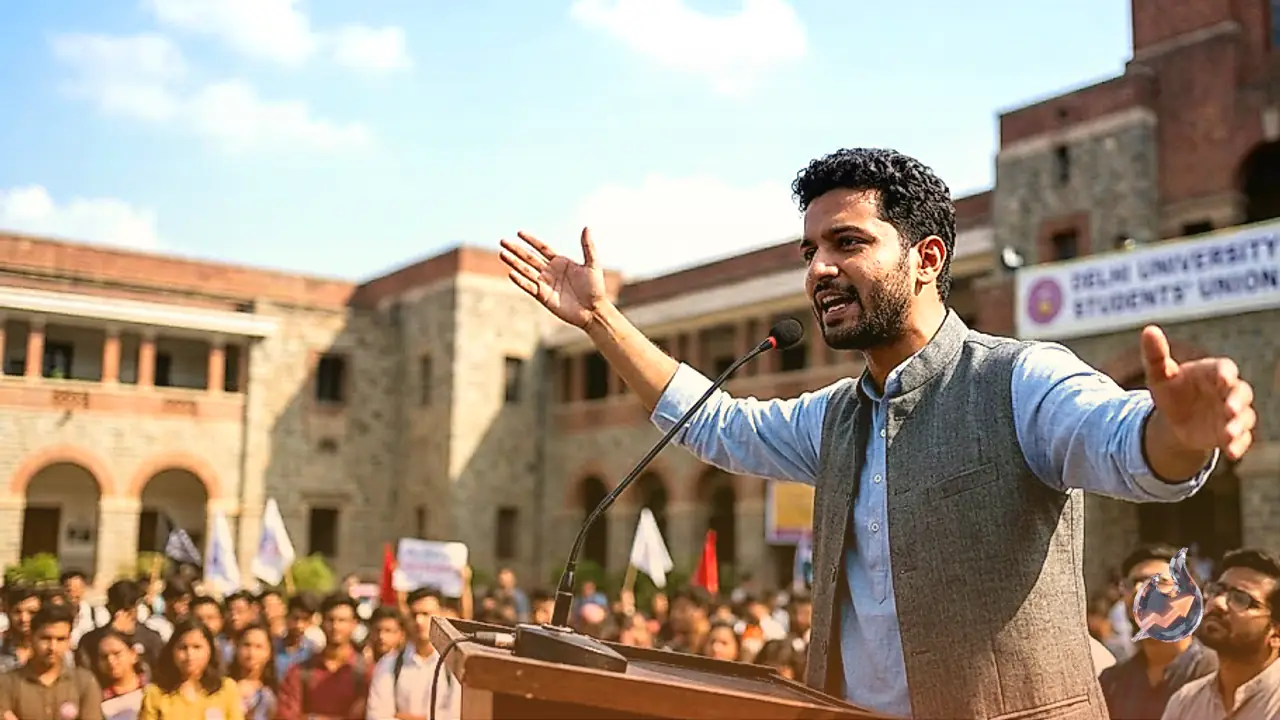
The defining moment of the DUSU 2026 verdict came with the historic victory of Deepanshu Shokeen in the race for the vice presidency. Entering the electoral fray as an independent contender after breaking away from his background in the NSUI, Shokeen staged an extraordinary campaign that culminated in a record-breaking winning margin. Before the polling took place, few political observers anticipated that an unaligned candidate could outmuscle the campaign machinery of two legacy student bodies with such overwhelming numbers.
His triumph sends an unambiguous signal that modern students refuse to act as passive vote banks for traditional political party banners. The electorate demonstrated a willingness to back a recognizable, approachable face who consistently champions their concerns and remains accessible on the ground. This outcome challenges the entrenched duopoly of national student fronts and opens fresh avenues for independent leadership in campus governance.
Severe Introspection Ahead for the NSUI
For the Congress-aligned NSUI, the final tally has triggered intense scrutiny and disappointment. Repeating the setbacks of recent electoral cycles, the front was unable to secure any of the coveted central panel seats, ending the race with a score of zero. Senior leadership and campaign managers had hoped to translate anti-incumbency into electoral dividends, but those expectations unraveled once the ballot boxes were opened.
Political commentators note that the traditional bond between the youth constituency and the NSUI appears increasingly frayed. When students at one of the nation's premier educational institutions seek viable alternatives outside the primary opposition outfit, it exposes fundamental structural flaws in party mobilization and grassroots outreach. Unless the organization undertakes comprehensive internal reforms and rebuilds its communication channels with young scholars, its relevance in student politics risks eroding even further.
Voting Dynamics Across Elite North Campus Colleges
The direction of student union elections at Delhi University is traditionally steered by the major academic powerhouses situated in the North Campus precinct. This year, the polling patterns recorded at institutions such as SRCC, Hindu College, Hansraj College, Kirori Mal College, Ramjas College, and the DU Faculty of Law proved instrumental in shaping the overall outcome. In these elite academic environments, voters displayed a highly pragmatic approach, prioritizing infrastructural upgrades, campus welfare, and functional leadership over partisan slogans.
The strong vote share garnered by the ABVP, combined with massive support for the independent candidate in specific segments, illustrates that students weighed their choices carefully at the college and faculty levels before casting their ballots. This discerning behavior contributed directly to the split in the central panel mandate.
Broader Reverberations on National Politics
Delhi University has long been regarded as the premier training ground for India's political establishment, having produced numerous prominent leaders who transitioned from campus politics into the corridors of Parliament. Consequently, the ripples generated by the DUSU results extend well beyond university boundaries. The clear preference expressed by the student community offers valuable insights into the contemporary mood, ideological leanings, and priorities of young urban voters.
With the ABVP sweeping three central panel seats and an independent disruptor claiming the fourth, this verdict reflects an assertive student body that rewards consistent ground-level engagement while rejecting superficial rhetoric. The dynamics witnessed here are likely to reverberate in upcoming student union elections across various states and inform wider political strategies.