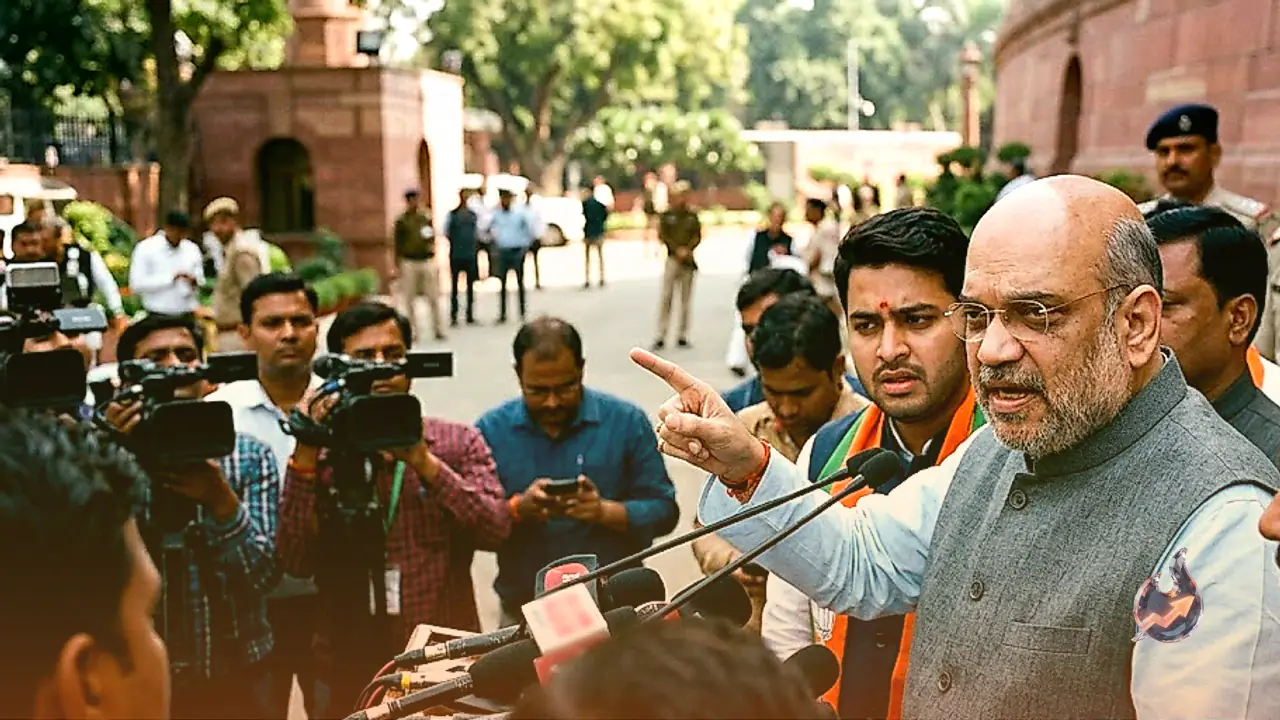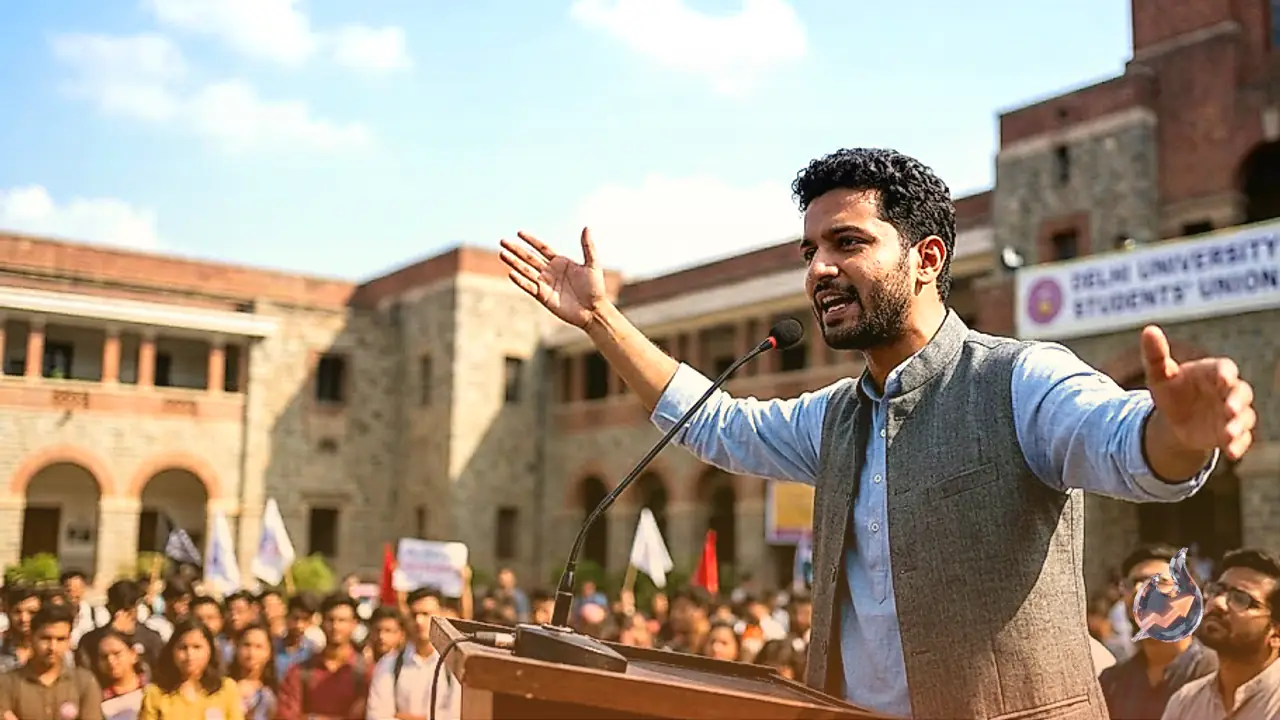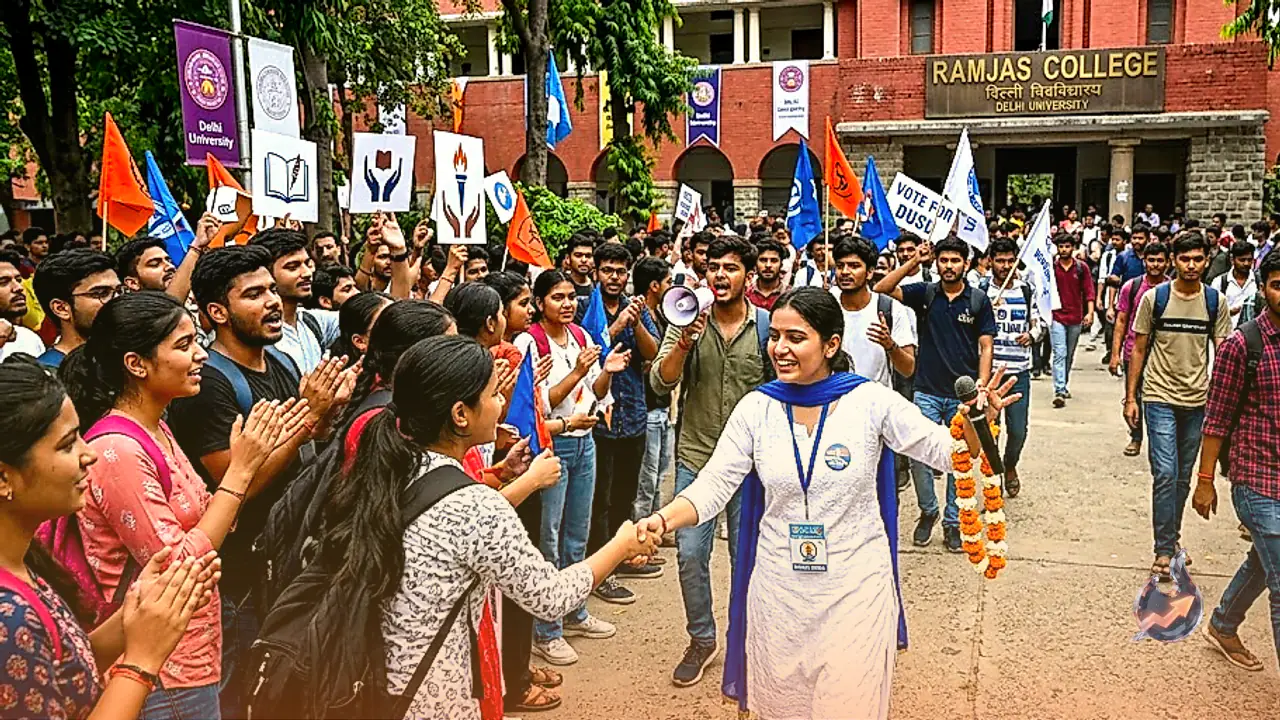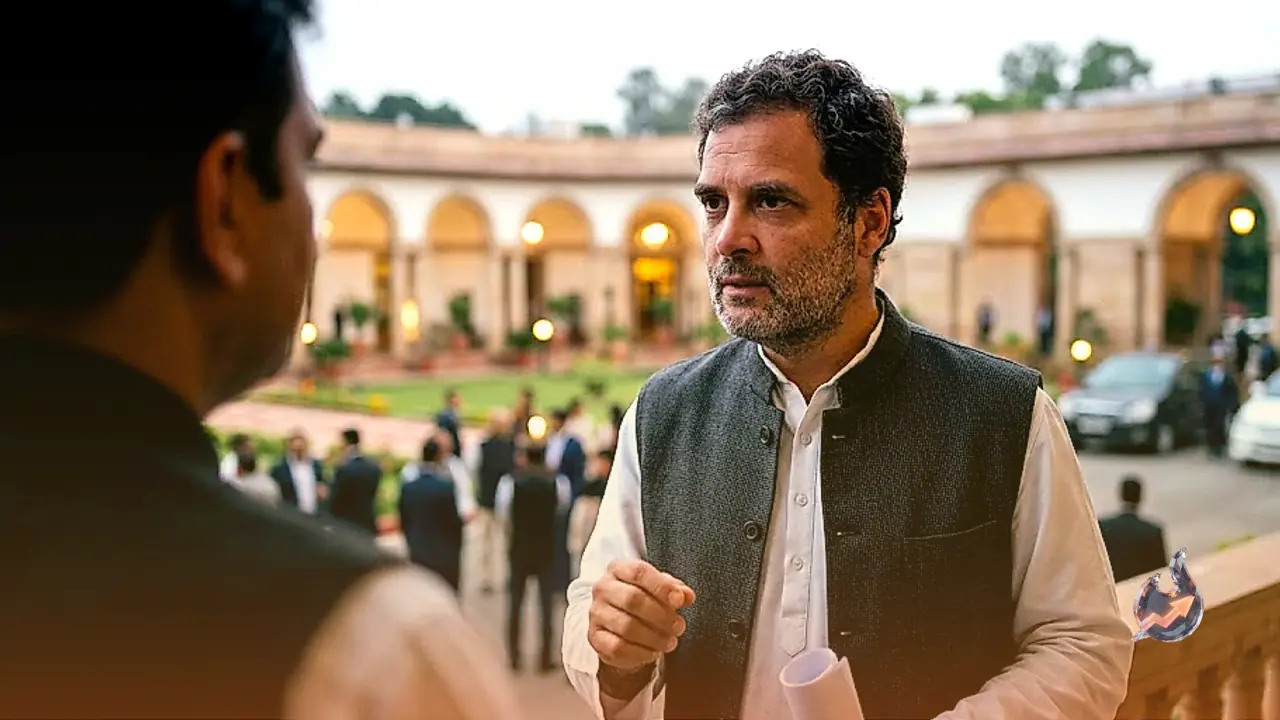






















Political tensions have surged in the national capital following the declaration of the Delhi University Students' Union (DUSU) election 2026 results. The Akhil Bharatiya Vidyarthi Parishad (ABVP) registered a 3-0 clean sweep across the posts of President, Secretary, and Joint Secretary, while an independent candidate clinched the remaining post. The Congress party's student wing, the National Students' Union of India (NSUI), failed to open its account. In the wake of this electoral outcome, Congress launched a sharp attack against the Delhi University administration and the ruling establishment, alleging electronic voting machine discrepancies and administrative bias.
Allegations of Institutional Bias and Campaign Disparities
Devender Yadav, president of the Delhi Pradesh Congress Committee, accused the university administration of employing double standards and undermining democratic values. He expressed deep concern over what he termed unequal treatment meted out to candidates during the campaign trail. According to Yadav, NSUI candidates were reportedly barred from entering several college premises and conducting outreach programs, while ABVP nominees were readily granted access, campaign space, and institutional facilities.
Yadav pointedly questioned how the university's infrastructure and college campuses were permitted to be utilized for ABVP meetings despite the model code of conduct being formally enforced throughout the election cycle.
Concerns Over Lyngdoh Guidelines and EVM Transparency
Challenging the university administration's oversight, Congress highlighted alleged breaches of the Lyngdoh Committee guidelines. Yadav asserted that certain candidates who bypassed standard university norms and Lyngdoh regulations were still allowed to contest and canvass votes without impediment. Furthermore, he emphasized the serious apprehensions voiced by students and candidates regarding the functioning of EVMs and the overall transparency of the vote tabulation process, noting that the administration is obligated to address these concerns.
Three Demands Put Forward by the Congress
Following the outcome of the polls, the Congress outlined three specific demands before the Delhi University authorities
- An independent, transparent, and fair inquiry must be initiated into all complaints received during the election process.
- Equal regulations and a level playing field must be strictly enforced for all student outfits and contenders in upcoming elections.
- Decisive punitive action should be taken against any officials or candidates found guilty of violating election rules and the code of conduct.
Administrative Scrutiny and Political Undercurrents
Devender Yadav stated that any compromise on students' democratic rights and the institutional credibility of university polls would not be tolerated, demanding clarity on why rules appeared disparate across student bodies. Conversely, ABVP dismissed these claims entirely, describing the accusations as manifestations of Congress's political frustration following defeat.
The 2026 election outcome defied several campaign expectations. Social media visibility had initially pointed toward stronger prospects for NSUI, especially as ABVP faced scrutiny over the Jantar Mantar demonstration and the Delhi PG hostel incident. However, active mobilization and campaigning by local BJP leaders bolstered ABVP's footprint. In contrast, prominent senior Congress figures were visibly absent from supporting NSUI candidates. The electoral outcome was further shaped by internal dynamics, particularly after candidates such as Vishesh Yadav, who was denied a ticket by NSUI, contested independently.