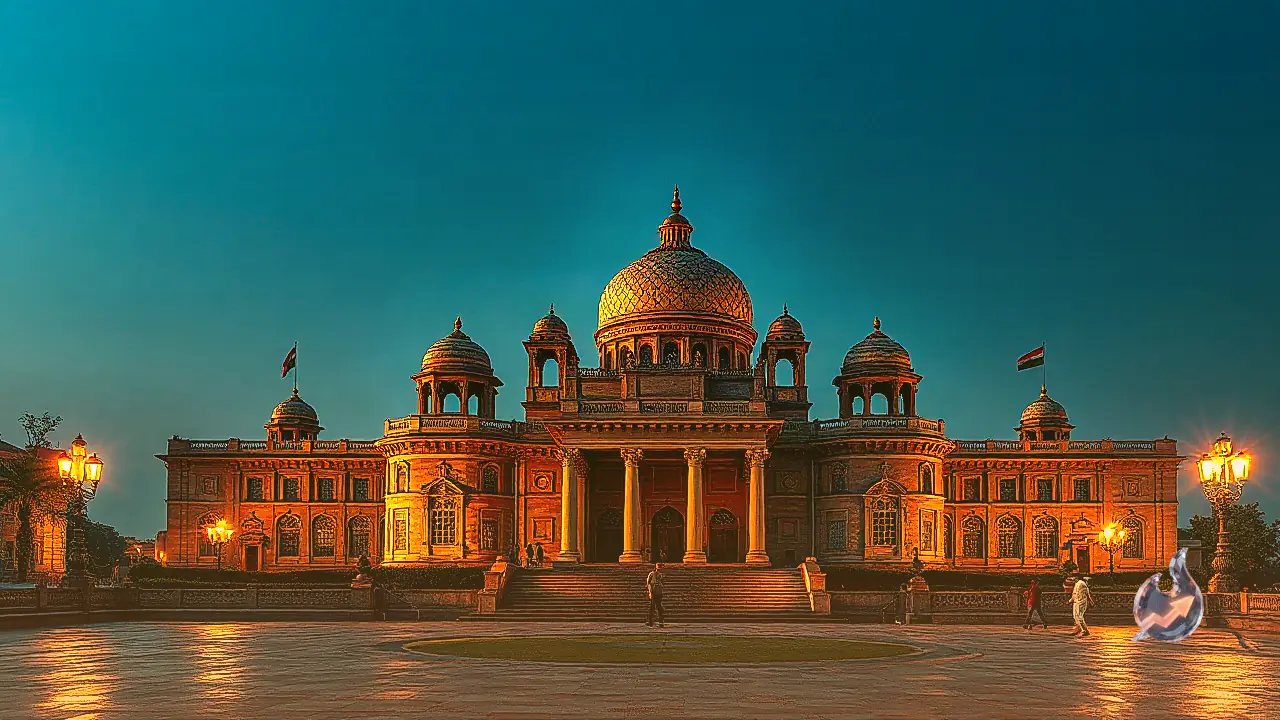


















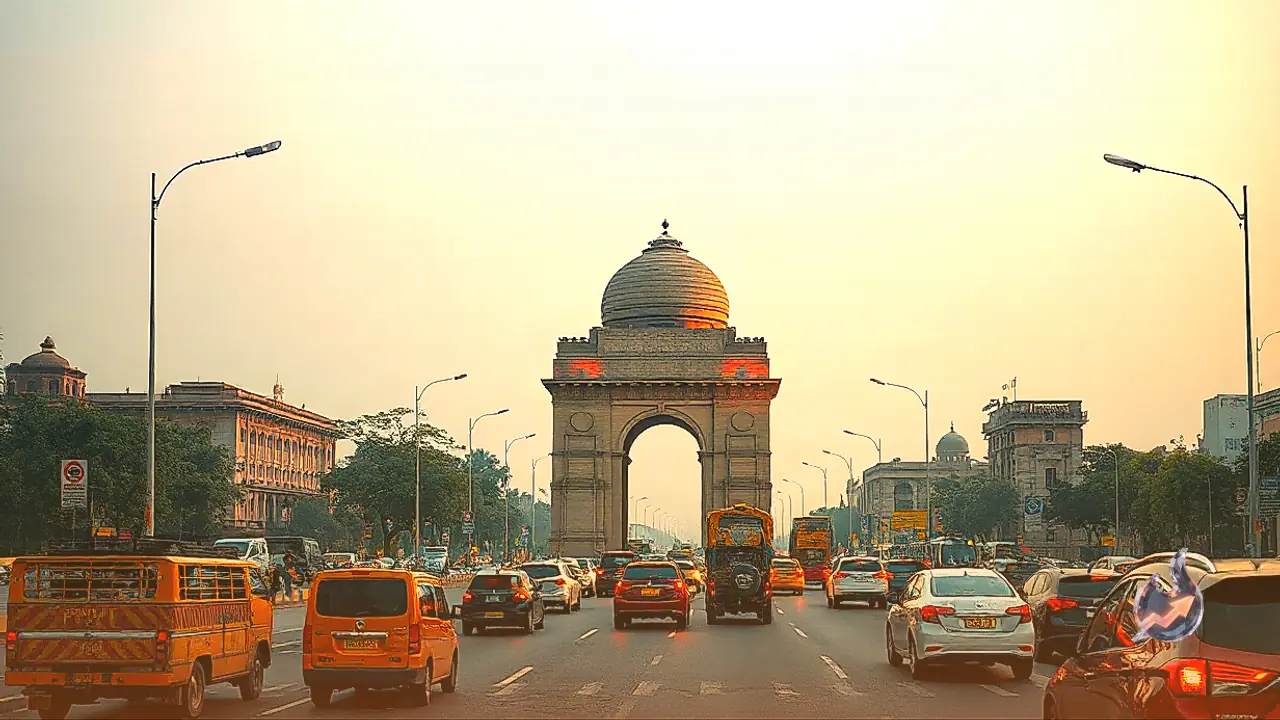

Administrative and security preparations are underway in New Delhi ahead of the upcoming 18th BRICS Summit, scheduled to take place on September 12 and 13, 2026. The high-profile international event will host heads of state and top diplomatic delegations from across the globe. To ensure top-tier security and unhindered movement for visiting dignitaries while maintaining manageable traffic flow for city residents, Delhi Traffic Police have outlined an extensive traffic management plan. Under this framework, strict travel restrictions and route diversions will be enforced across key areas of the capital from September 11 to 13.
Traffic Control Measures Across Lutyens' Delhi and Key Corridors
Given the movement of foreign heads of state and official VVIP convoys, Delhi Traffic Police have issued a detailed public travel advisory. Traffic restrictions and route diversions will remain active across multiple central zones between September 11 and September 13, 2026. Major areas expected to witness restricted or regulated traffic include Lutyens' Delhi, Bharat Mandapam at Pragati Maidan, Chanakyapuri, Connaught Place, and the primary road corridors connecting Indira Gandhi International (IGI) Airport to Central Delhi. Vehicle movement along these routes will be closely monitored and regulated.
To streamline movement and prevent major congestion, traffic police will divert vehicles at approximately 22 critical intersections and junctions across the city. Authorities have appealed to the public to minimize the use of private vehicles and opt for Delhi Metro services during the three-day advisory period. Utilizing the metro network is expected to alleviate pressure on road corridors reserved for official movement.
Alert for Airport, Railway Travelers and Directives for Taxi Aggregators
Specific advisories have been issued for commuters travelling long distances during the summit window. Passengers heading to New Delhi Railway Station or IGI Airport are strongly advised to leave home with substantial extra travel time. The traffic police have instructed commuters to strictly adhere to officially designated alternative routes to avoid unexpected delays.
To ensure seamless coordination on the ground, Delhi Traffic Police conducted briefing sessions with major ride-hailing services, including Bharat Taxi, Ola, and Uber. Taxi operators and drivers have been directed to strictly follow traffic advisories and comply with security protocols near restricted zones throughout the summit duration.
Expected Attendance of Global Leaders Including Putin and Xi
India is hosting the 18th BRICS Summit in its capacity as a founding member of the grouping. The country previously chaired the BRICS summit three times—in 2012, 2016, and 2021. The 2026 edition marks the fourth time India is hosting the leaders of the bloc.
High-profile global figures are slated to participate in the New Delhi summit. Expected attendees include Russian President Vladimir Putin, Chinese President Xi Jinping, and Iranian President Masoud Pezeshkian, alongside leaders from other member nations. Confirmation regarding President Putin's participation was finalized following External Affairs Minister S. Jaishankar's recent official visit to Russia.
BRICS Expansion and Economic Footprint on the World Stage
The BRICS grouping originally comprised five major emerging nations: Brazil, Russia, India, China, and South Africa. Over the years, the bloc expanded its global footprint. Following the 2014 expansion framework, Egypt, Ethiopia, Iran, the UAE, and Saudi Arabia were inducted as full members. In 2025, Indonesia officially joined as a member state.
Furthermore, in 2025, ten additional countries were recognized as partner nations of BRICS. These partner countries include Belarus, Bolivia, Kazakhstan, Cuba, Malaysia, Nigeria, Thailand, Uganda, Uzbekistan, and Vietnam. Today, BRICS represents 11 major emerging economies.
Collectively, BRICS member nations account for approximately 49.5 percent of the global population. The grouping contributes nearly 40 percent to global Gross Domestic Product (GDP) and commands around 26 percent of total international trade. Speaking on the sidelines of the UN General Assembly (UNGA), External Affairs Minister S. Jaishankar emphasized that BRICS has emerged as a resilient global voice amidst rising economic protectionism and tariff volatility across international markets.