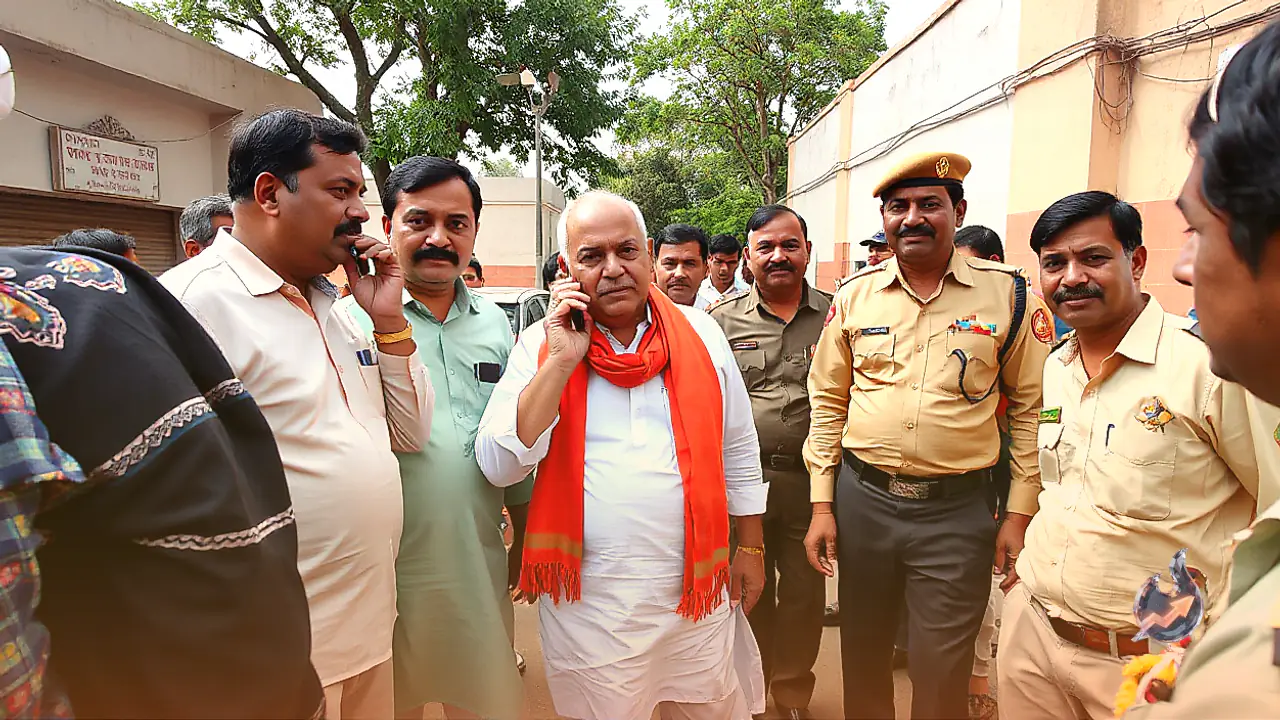















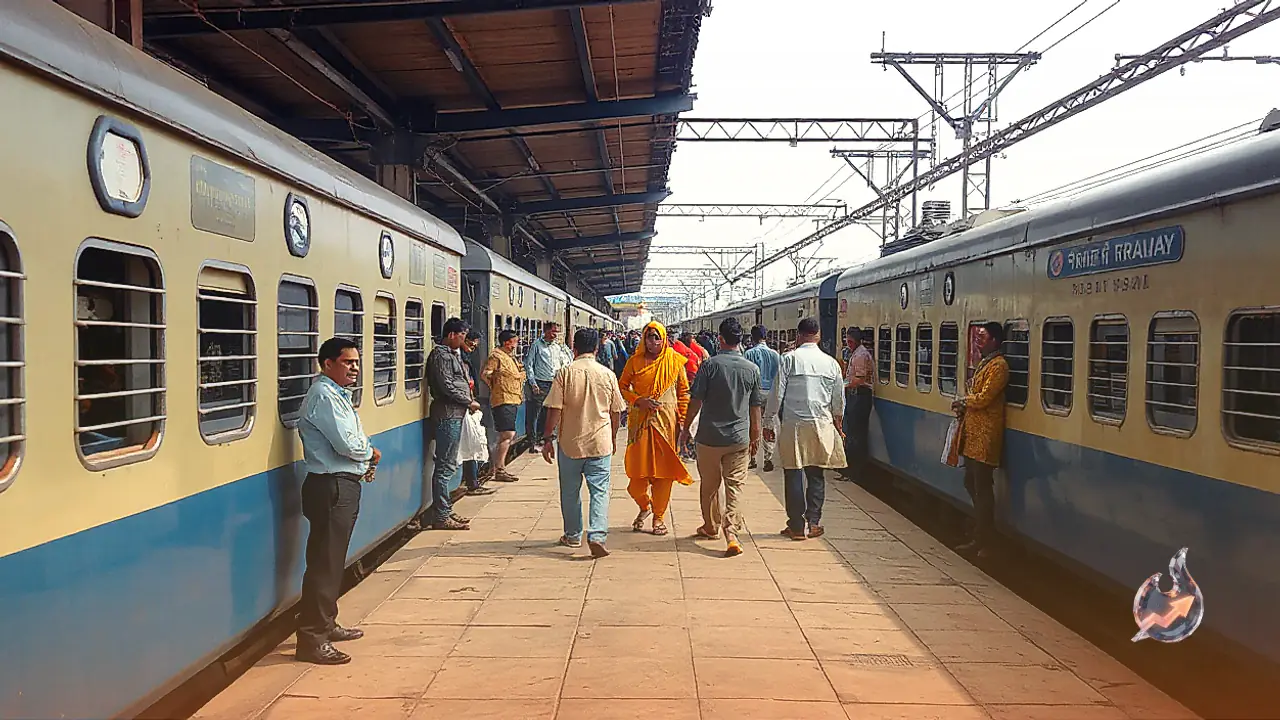

In a major push to streamline passenger movement during the peak festive season, railway authorities have ramped up operational preparations across the network. Union Railway Minister Ashwini Vaishnaw visited the New Delhi railway station to review crowd management and ground infrastructure, revealing that approximately 18,000 special trains are being operated to accommodate travelers during the ongoing Diwali and Chhath festival window.
Data Driven Planning Based on Past Trends
Ashwini Vaishnaw noted that the ministry analyzed passenger travel patterns spanning the past 10 years to optimize scheduling. By studying which cities witness the highest outbound traffic during festivals and identifying high-demand destination corridors, the railway board formulated a targeted deployment plan. This data-backed approach helps determine the exact number of additional services required on specific high-density routes.
Strategic Scheduling for Dhanteras and Chhath
Historical passenger data indicates that travel surges peak sharply around Dhanteras rather than just on Diwali day itself. Consequently, authorities scheduled a higher concentration of special services to handle the massive passenger volume during Dhanteras. Similarly, footfall spikes dramatically roughly three days prior to Chhath Puja following Diwali. Officials incorporated these operational patterns into the current schedule, aiming to refine passenger facilities continuously based on yearly learning curves. Infrastructure upgrades are being scaled continuously to match the steady rise in overall rail patronage.
Dedicated Holding Areas at Stations
To prevent platform congestion, a large dedicated holding area has been established at the New Delhi railway station specifically for passengers holding reserved tickets. Previously, commuters had to navigate through six separate entry gates, which frequently caused confusion regarding access points. All entry logistics have now been consolidated into a single centralized zone to simplify passenger flow.
Decongesting Concourses and Terminals
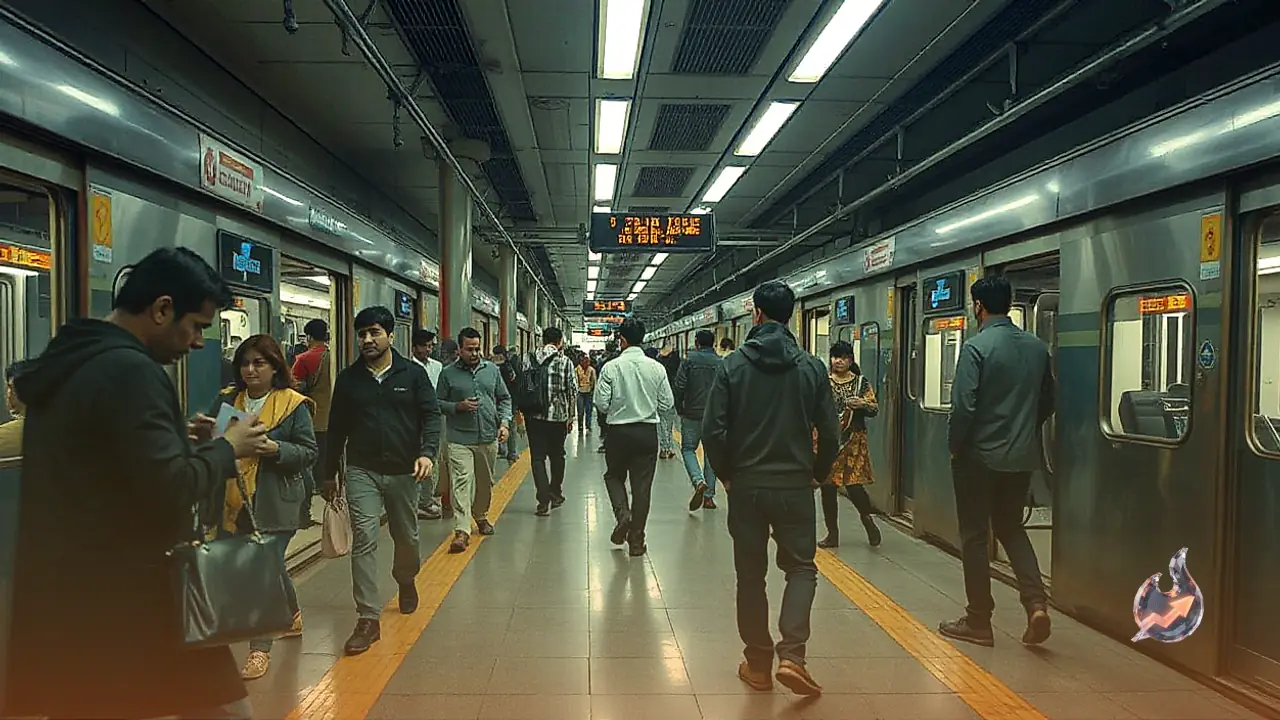
Security screening and baggage check facilities, which previously occupied valuable interior terminal space, have been relocated outside the main concourse. This reconfiguration leaves the internal ticketing halls and waiting lounges significantly more open and accessible for travelers. These structural improvements have directly benefited commuters navigating the station during peak hours. While New Delhi handles around 500,000 daily passengers under normal circumstances, volume surges to nearly 800,000 during major festivals, making crowd control a critical operational priority.
Comprehensive Crowd Management Measures
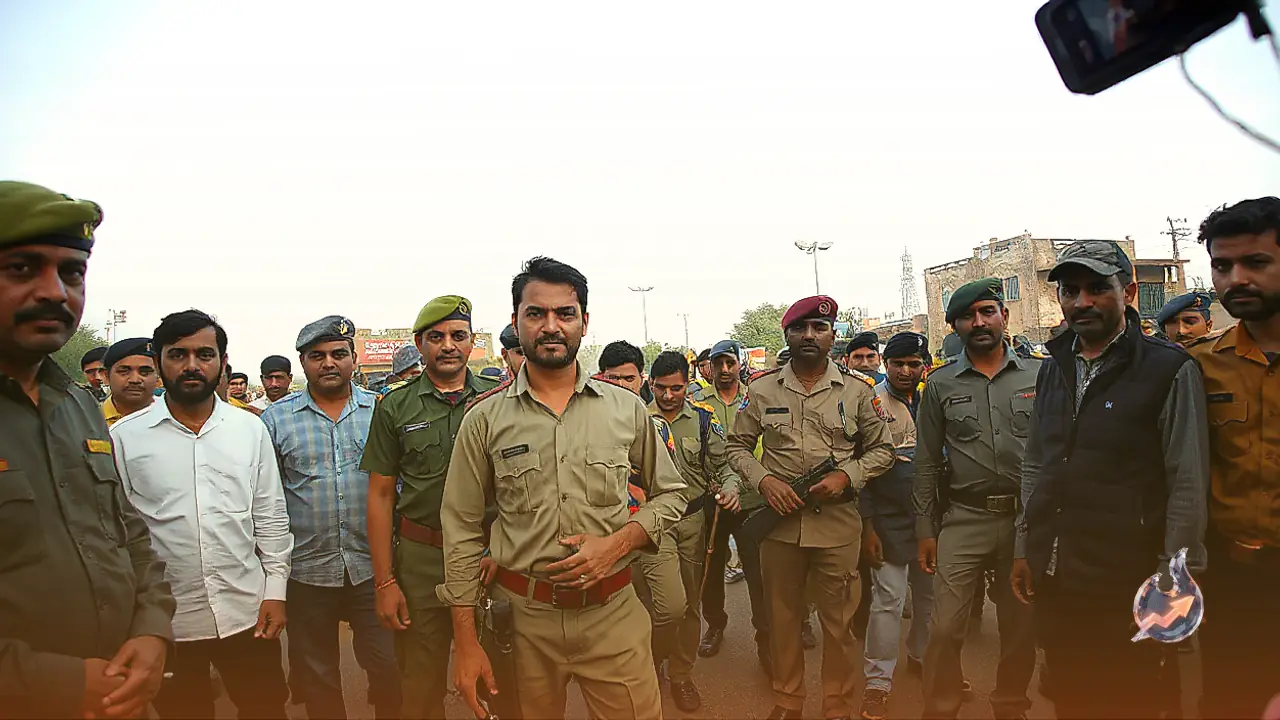
To maintain order amid heavy footfall, additional railway personnel have been deployed alongside the newly constructed holding zones. The primary objective is to minimize passenger waiting times and facilitate swift transit from station entrances to boarding platforms. Real-time monitoring allows staff to implement immediate crowd-regulation measures, manage pedestrian flows, and redirect crowds whenever congestion builds up. Similar holding infrastructure has been deployed across major railway hubs nationwide with positive results. During the previous festive season, railways operated roughly 12,000 special services, several of which were subsequently converted into regular trains.
For more updates on festive transit arrangements, check out reports on Delhi Metro timing revisions and the recent Karmabhumi Express incident.