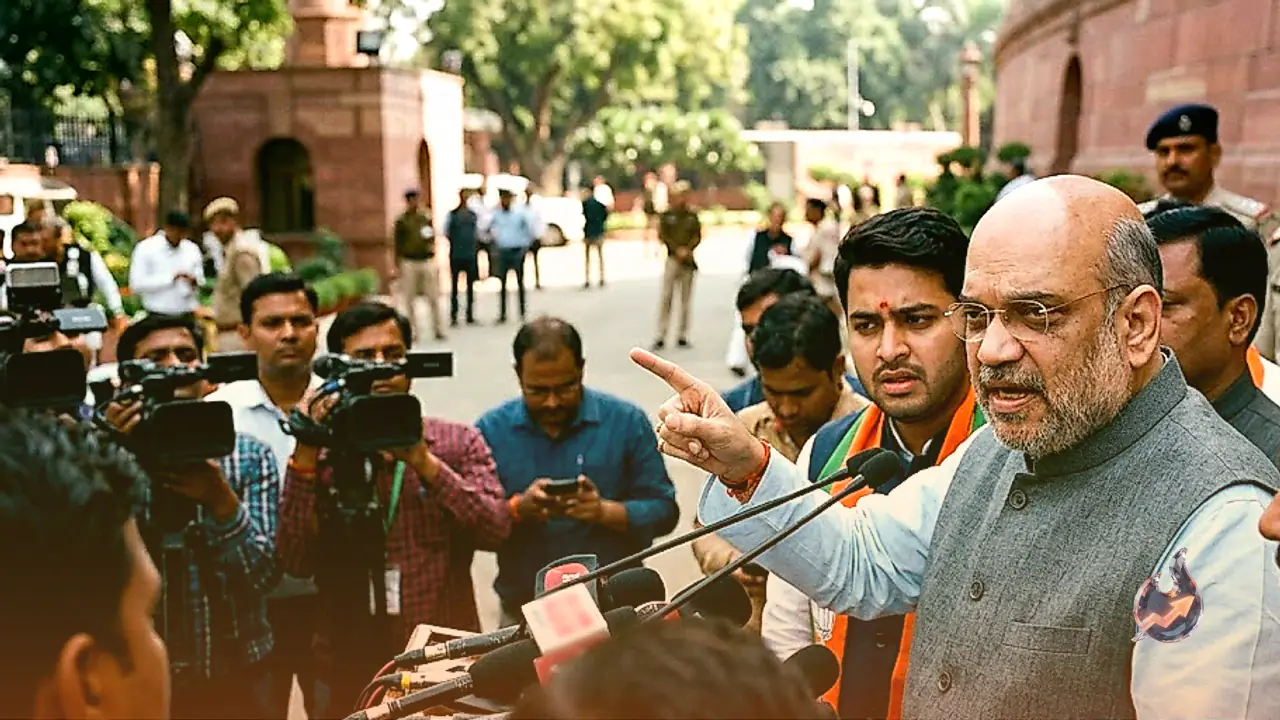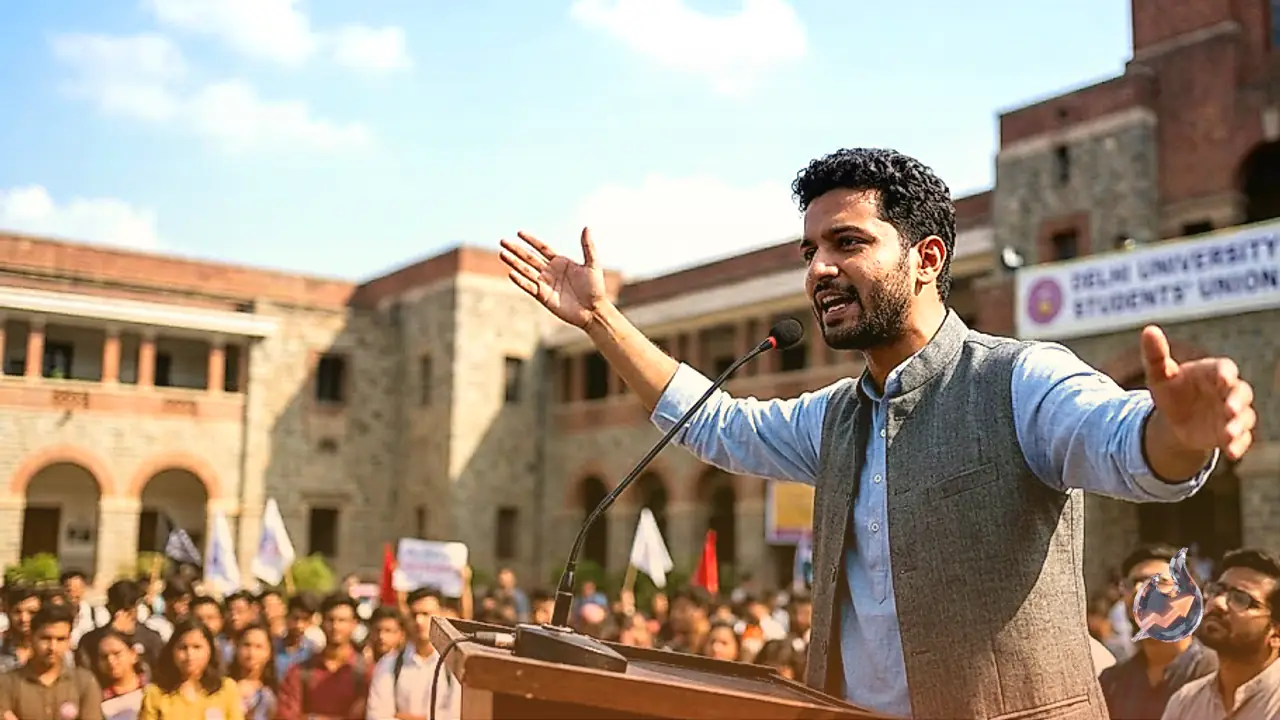



















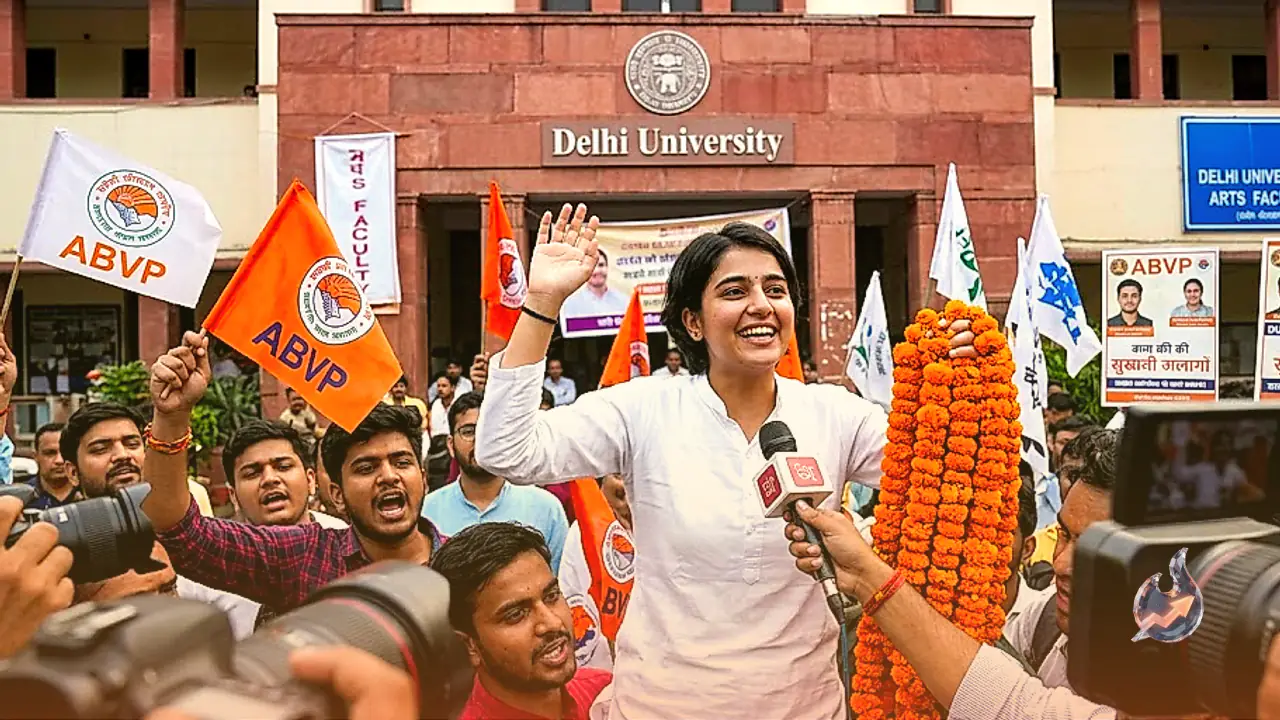

The results of the Delhi University Students' Union (DUSU) elections 2026 have reaffirmed the contours of campus politics across the capital, with the RSS-affiliated Akhil Bharatiya Vidyarthi Parishad (ABVP) winning three out of the four central panel positions. Yash Dabas clinched the prestigious presidential post, while ABVP candidates Riya Chhabri and Lakshya Raj Singh won the posts of secretary and joint secretary, respectively. Breaking the monopoly of traditional party tickets, independent candidate Deepanshu Shokeen secured victory in the race for the vice presidential chair.
Yash Dabas Secures Presidency by 2,053 Votes; Independent Wins Vice Presidency
In the contest for the post of president, Yash Dabas polled 24,576 votes, defeating his nearest rival Vijay Shankar Meena of the National Students' Union of India (NSUI), who secured 22,523 votes. Dabas established a winning margin of 2,053 votes to claim the top student leadership office. NSUI endured a complete shutout in the central panel, failing to win any of the four key offices.
The vice presidential outcome delivered a significant political twist as Deepanshu Shokeen won the seat running as an independent. Shokeen was previously associated with NSUI but entered the electoral fray independently after being denied a party nomination. His calculated independent run gathered widespread student backing, culminating in an outright victory over both major student panels.
Elections Held in the Backdrop of Gen Z Protests and Campus Grievances
The 2026 student union contest unfolded during a particularly volatile semester marked by debates surrounding academic examinations, student amenities, and broader generational grievances across campus. In recent months, Gen Z demonstrations led by the Cockroach Janata Party (CJP) had significantly shaped the discourse surrounding youth and student mobilization. While CJP did not field any candidates of its own in the DUSU race, the climate of agitation formed an inescapable backdrop to the campaigning.
A diverse spectrum of organizations participated in the race, including NSUI, the AISA-SFI alliance, and the AAP-backed student outfit ASAP, each championing specific campus issues and rights. Nevertheless, ABVP's deep organizational footprint and campus network enabled the organization to withstand multi-cornered pressure and secure a decisive majority across the central panel.
Satya Niketan Collapse Puts Housing Safety at the Core of Campaigning
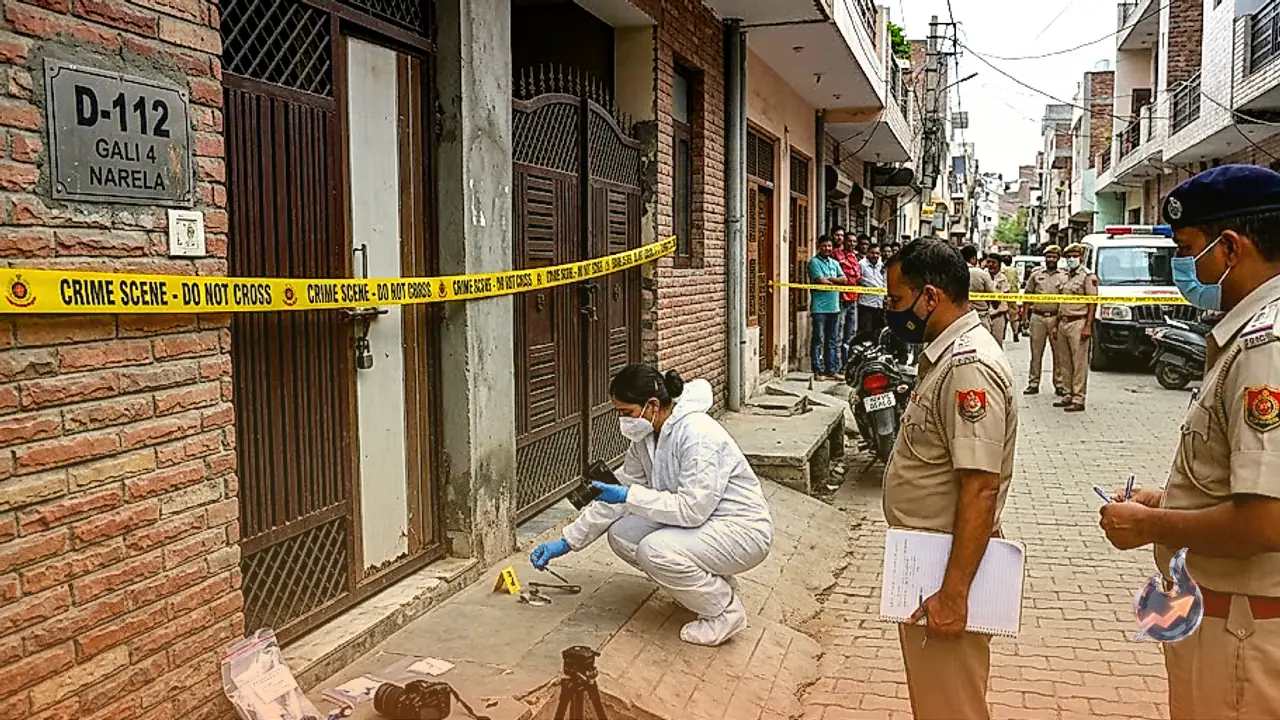
The tragic collapse of a five-storey paying guest (PG) building in South Delhi's Satya Niketan just ahead of polling proved to be a decisive catalyst in the race. The building collapse claimed seven lives, including university students, instantly pushing the severe deficit of safe and affordable student accommodations to the forefront of student deliberations.
While multiple student groups issued statements demanding affordable and regulated housing, ABVP mobilized direct street agitation against the Municipal Corporation of Delhi (MCD). Demanding institutional accountability and immediate action from the MCD Commissioner, ABVP held sit-ins and protests outside the civic headquarters, leading to reported confrontations with police personnel.
Manifesto Promises on Safety Audits and Redressal Mechanisms
Capitalizing on widespread student anxiety, ABVP formally integrated housing reforms into the core of its platform. The organization pledged structural interventions, including the launch of a dedicated suggestion and complaint portal where students could flag unsafe, structurally compromised, or overcrowded living quarters.
Furthermore, ABVP demanded mandatory structural safety and fire audits for all private hostels and PG establishments across student residential hubs. The campaign extended scrutiny beyond Satya Niketan to cover densely populated student zones like Laxmi Nagar and Hudson Lane. Following their electoral triumphs, newly elected president Yash Dabas affirmed that enforcing safety audits across hostels and PGs ranks as his foremost administrative objective, while vice president Deepanshu Shokeen underscored justice for the victims of the Satya Niketan disaster as an immediate campaign commitment.
The 2026 results illustrate that campus electoral battles pivot not merely on national political identities, but fundamentally on immediate, material realities such as living conditions, structural security, administrative accountability, and student welfare.