





















Coming home to a door lock that suddenly refuses to budge can ruin your evening in an instant. Sometimes the key goes in but won't turn, and sometimes it doesn't even slide in all the way. In most such cases, the culprit is dust, rust or grime that has built up inside the lock over time. In other cases, the door and its frame press against each other so tightly that the lock's latch gets stuck. Instead of panicking or forcing the key, a handful of simple steps can often get the lock open again within minutes, without damaging anything.
Stop forcing the key first
If the key is stuck inside the lock or won't turn, the first thing to do is stop applying pressure. Trying to force it can snap the key off inside the lock, turning a small annoyance into a bigger problem. Instead, gently move the key in and out a few times to loosen whatever grime has collected around it, then try turning it slowly.
Try a lubricant inside the lock
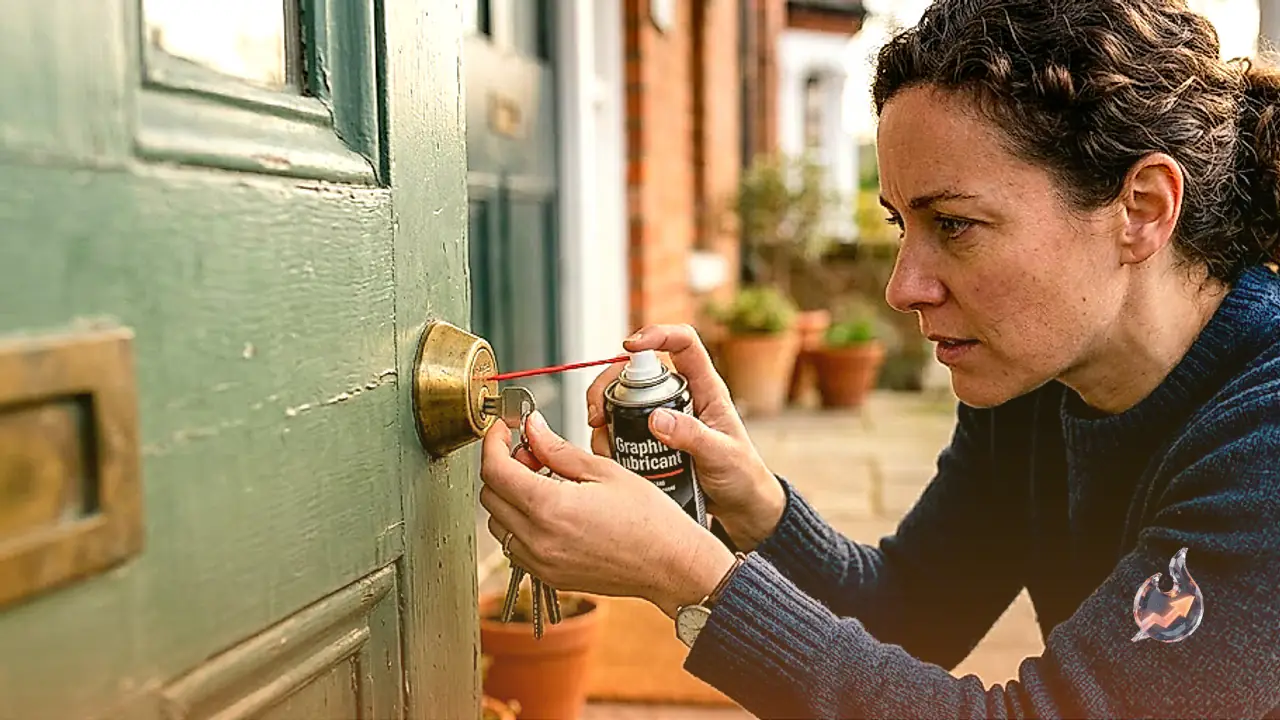
Most older locks jam because dust or dirt inside stops the internal mechanism from moving smoothly. A graphite powder or dry lubricant made specifically for locks can help in this situation. Apply a small amount into the keyhole and move the key in and out gently a few times so the lubricant works its way through the mechanism. Then try turning the key again; this simple step solves the problem in most cases.
Sometimes it's the door's position, not the lock
Often the real issue isn't the lock itself but how the door sits against its frame. If the door is pressing too hard against the frame, the lock's latch gets caught and won't allow the key to turn. In such cases, try gently pulling or pushing the door while turning the key at the same time. This small adjustment alone is often enough to free a jammed lock.
Worn or bent key? Try a spare
Not every jammed lock is faulty; sometimes the problem lies with the key itself. Regular use can wear a key down or bend it slightly, and that alone can stop a lock from opening. If a spare key is available at home, try that one first. If the spare turns easily, it's a clear sign that the old key needs to be replaced.
Old locks need cleaning and servicing
If a lock is quite old, rust or accumulated grime inside it is fairly common. Repeatedly forcing the key in such a lock can break an internal part and worsen the damage. Getting the lock cleaned and serviced in time is the smarter move, so the same problem doesn't keep coming back.
When should you call a professional?
If the lock still won't open after trying all of the above, if there's a risk of the key snapping, or if the lock's internal mechanism appears to have failed altogether, do not try to break it open or force it yourself. Doing so can damage both the door and the lock, and end up costing more to repair.