























In Bhilwara and across residential households, everyday kitchen waste such as peels from cucumbers, bottle gourds, pumpkins, potatoes, and legumes is frequently tossed away into garbage bins. However, these discarded vegetable scraps hold immense value for home gardens and potted plants. By repurposing this organic kitchen waste, gardeners can create nutrient-rich, chemical-free organic compost at home without spending any money. This zero-cost eco-friendly technique not only resolves household waste management challenges but also supplies plants with essential natural nutrients needed for healthy growth.
Step-by-Step Guide to Preparing Layered Compost at Home
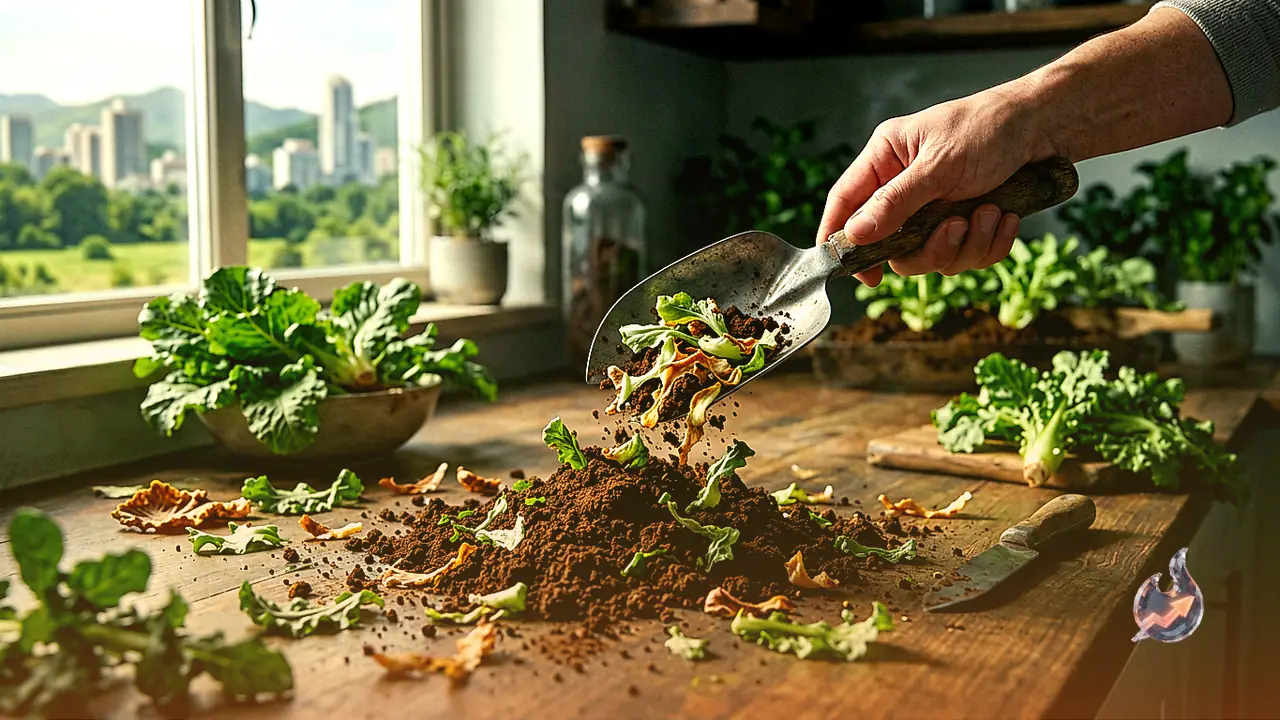
The process of making homemade compost begins with preparing the raw kitchen scraps. Collected vegetable peels should first be chopped into smaller pieces, as reducing their size significantly accelerates the natural decomposition process. Next, select a large plastic bucket or a suitable container that features small ventilation holes or adequate openings to permit continuous airflow. At the bottom of this container, lay down an initial base layer consisting of dry leaves, dry garden soil, or shredded dry yard waste.
Over this dry foundational base, spread an even layer of the chopped vegetable peels. Continue this process by alternating layers of dry organic material and wet kitchen scraps until the container is filled. Maintaining open spaces or ventilation holes in the container is critical, as a steady supply of oxygen is required for beneficial aerobic microbes to break down the organic matter efficiently.
Managing Moisture Levels and Controlling Odors
Proper moisture regulation is vital throughout the composting cycle. The composting mixture must remain slightly damp, similar to a wrung-out sponge, but excess water should never be allowed to accumulate at the bottom. Waterlogging cuts off oxygen flow and leads to unpleasant foul odors. To prevent compaction and ensure adequate aeration, stir or turn the contents using a stick or garden tool every few days. This simple task circulates air through the pile and keeps decomposition active.
If the compost bin starts generating a sharp or repulsive smell, it indicates an imbalance caused by excessive moisture or lack of air. This issue can be quickly corrected by mixing in dry leaves, dry soil, or small pieces of plain paper. These dry carbon-rich materials absorb excess moisture, restore the air balance, and neutralize foul odors promptly.
Identifying Ready Compost and Making Liquid Fertilizer
Within a few weeks, the vegetable peels breakdown into a dark brown or black material with a crumbly, soil-like texture. When the mixture loses all offensive smells and individual waste items are no longer recognizable, the organic compost is fully matured. This nutrient-dense compost can then be mixed into garden beds or potting soil in small quantities to nourish plants naturally.
For gardeners who need a faster nutrient boost for their plants, a liquid fertilizer can be made directly from vegetable scraps. Soak the clean peels in fresh water for several days to extract their nutrients, then strain the liquid thoroughly. Before applying it to the soil, dilute the concentrated liquid with additional plain water, as using it at full strength is not recommended for delicate root systems.
Essential Precautions and Environmental Benefits
To ensure successful composting, certain materials must be strictly avoided. Never add cooked foods containing oil, salt, spices, meat, or dairy products to the compost bin. These items attract pests, cause rotting issues, and produce foul smells. Stick exclusively to clean vegetable peels, dry foliage, paper, and garden soil for your compost pile.
Adopting this simple home composting method significantly decreases the volume of daily kitchen waste heading to landfills. Simultaneously, it enhances garden soil structure and organic fertility in a completely sustainable manner, giving your household plants a lush, vibrant green appearance naturally.