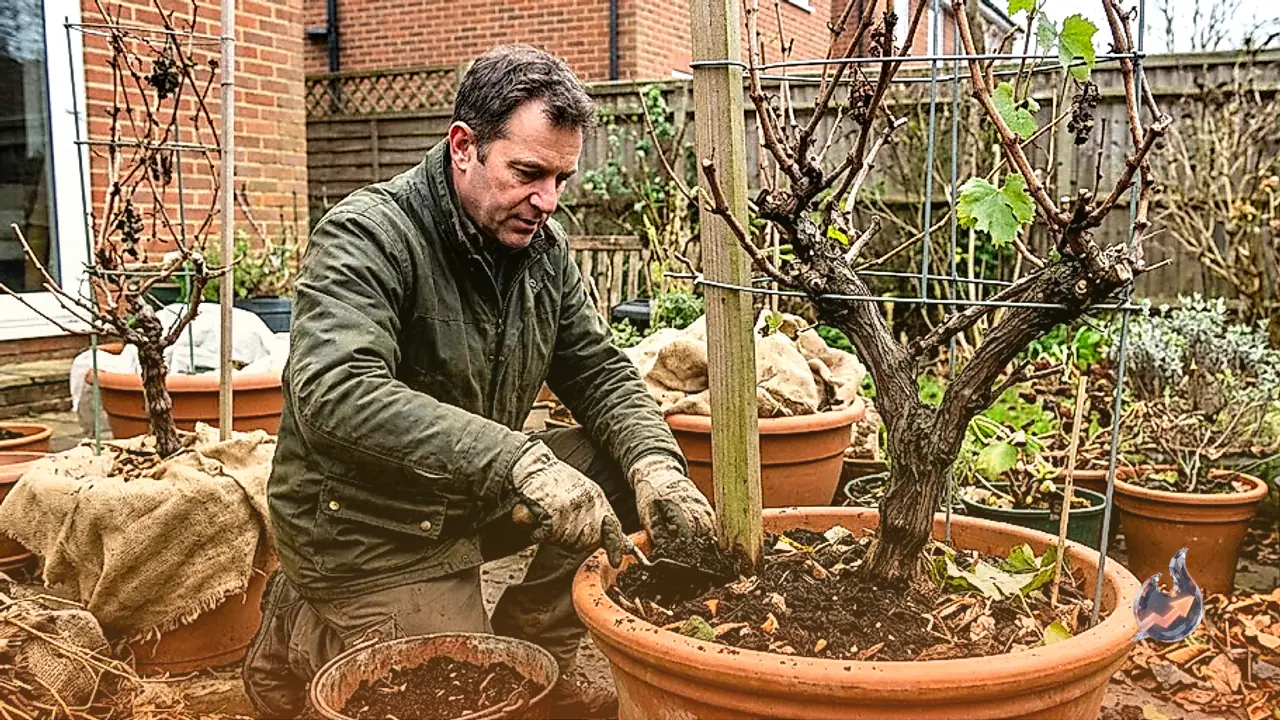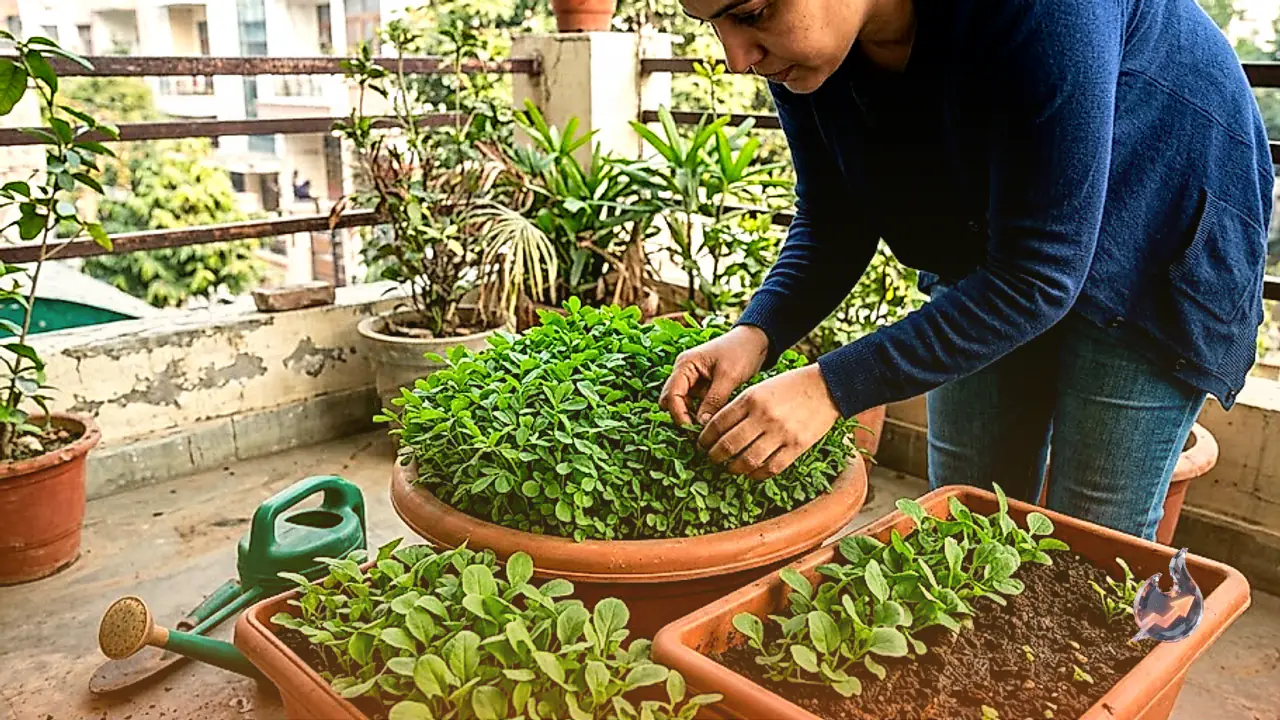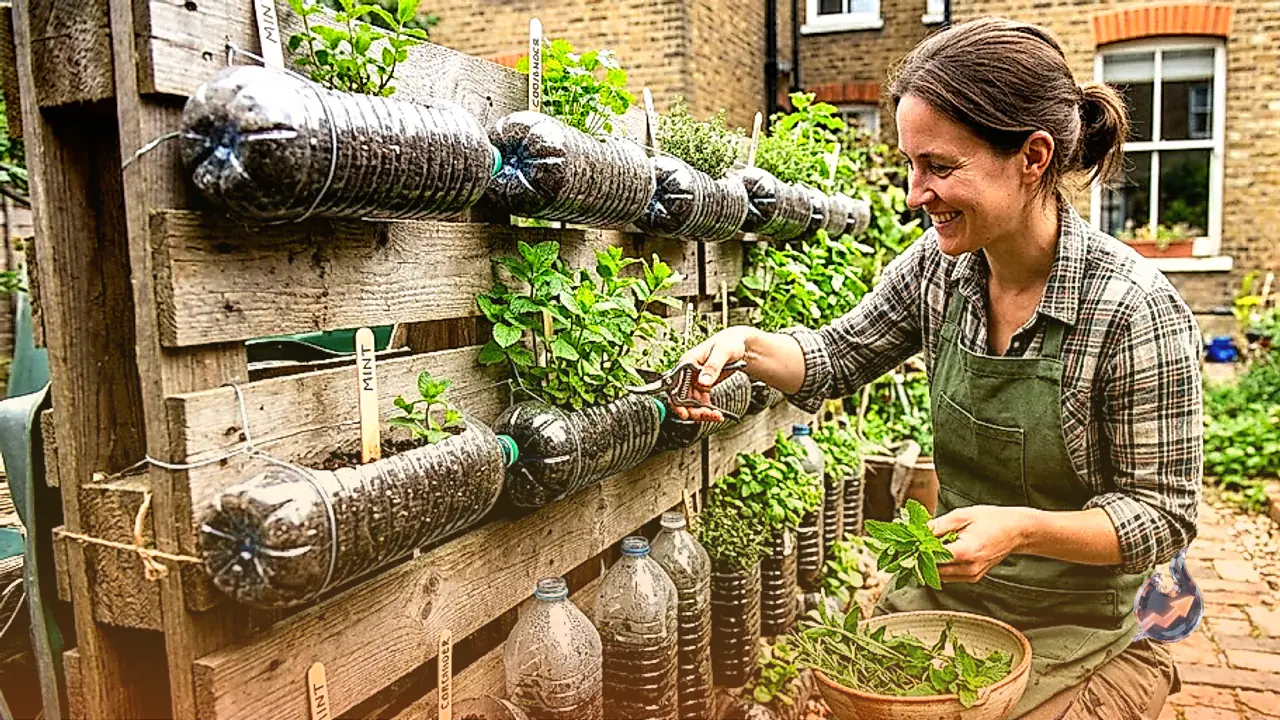

























The arrival of August and the accompanying monsoon rains present an ideal window for households to establish a home kitchen garden in available open spaces or containers. Utilizing small patches of land around the house or compact balcony pots allows families to cultivate fresh, chemical-free produce with minimal hassle. With proper planning, growing vegetables at home not only provides quick access to nutrient-rich food but also substantially cuts down on daily market purchases during the rainy months.
Five Essential Crops for Rainy Season Kitchen Gardens
During the monsoon period, choosing resilient and fast-growing vegetables ensures maximum productivity in limited spaces. Five recommended crops for home cultivation include eggplant, bottle gourd, ridge gourd, coriander, and green chili. Climbing vine vegetables such as bottle gourd and ridge gourd require vertical support systems, such as wooden stakes or trellises, to thrive and yield properly. In contrast, eggplant and green chili plants are versatile and can be conveniently cultivated inside medium-sized containers, pots, or small garden beds. Having daily culinary staples like coriander and chili readily available steps away from the kitchen saves both time and money.
Financial Benefits and Organic Quality
Vegetable prices frequently surge during the monsoon season due to supply chain disruptions and heavy rainfall affecting agricultural transportation. Maintaining a home garden acts as a practical financial buffer against these market fluctuations. Cultivating everyday necessities like chili and coriander in home beds eliminates recurring micro-expenses at local vendors. Furthermore, home growers retain total control over soil management, allowing them to exclusively use organic manure and natural pest prevention techniques. This guarantees that the harvest delivered to the family dining table remains free from harmful synthetic chemicals and pesticides.
Key Guidance for Achieving Higher Harvest Yields
According to Block Development Officer Mukesh Kumar Maurya, selecting vegetable varieties tailored to monsoon weather conditions is crucial for successful home farming. He highlighted that securing a fruitful harvest depends heavily on identifying spots with adequate sunlight exposure, establishing efficient water drainage channels to prevent waterlogging, and maintaining rich soil fertility through organic compost. When these core practices are strictly followed, households can achieve abundant yields within limited spaces, ensuring a steady supply of fresh vegetables while minimizing their reliance on external market supplies.