




















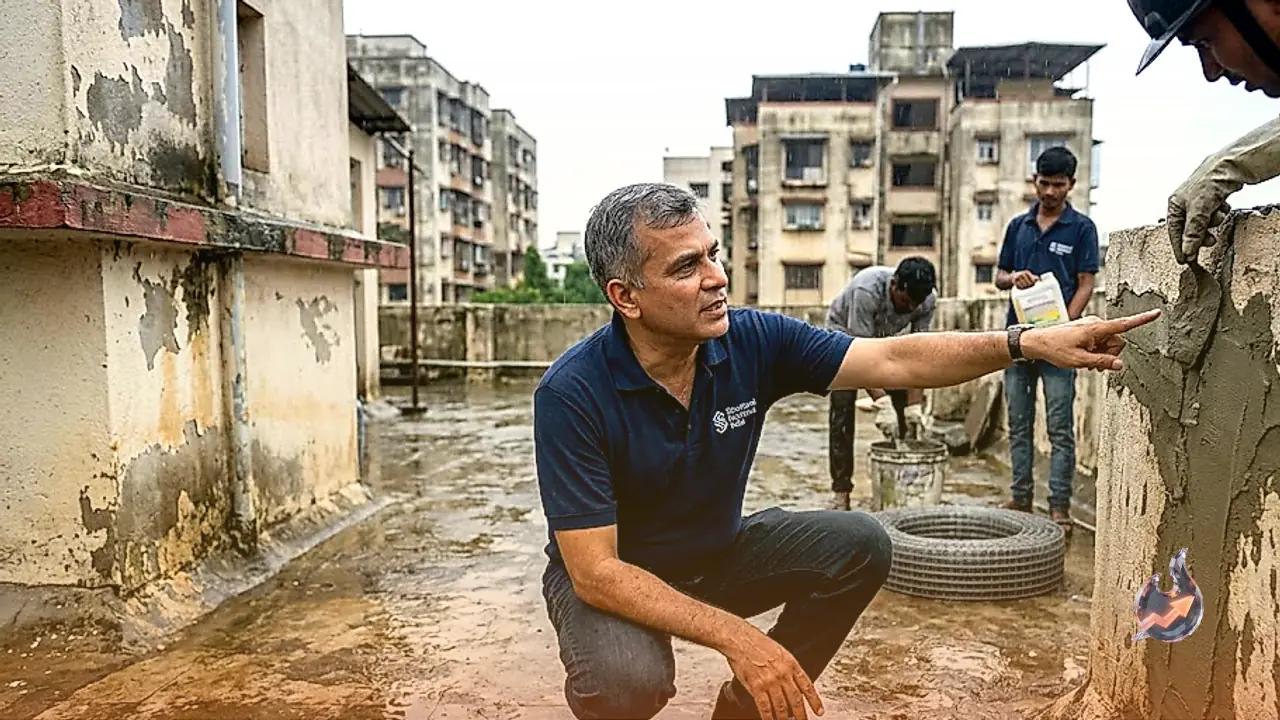

Monsoon rains often bring an unwelcome nuisance for homeowners in the form of roof leakages and damp walls. Unchecked water seepage not only spoils interior paint and damages plaster, but it can also compromise the structural stability of the property over time. Dampness inside rooms creates persistent odors and creates an unhealthy living environment. Fortunately, identifying the underlying causes early and applying appropriate waterproofing methods can eliminate these moisture issues effectively.
Structural Weaknesses During Initial Construction
Building experts point out that the primary cause behind water leakage and dampness lies in mistakes made during the initial construction phase. When a house is being built, critical attention must be given to foundational work and structural framing. Minor errors or imbalances while laying the foundation can lead to stress points across the structure. Over time, these structural stresses manifest as small or deep cracks along walls and ceilings, providing an easy entry pathway for rainwater during heavy downpours.
Fixing Surface Cracks and Minor Dampness
For surface-level hairline cracks and mild dampness on roofs or walls, simple protective treatments are highly effective and readily accessible.
- Ensure the affected surface is thoroughly cleaned of dust, loose debris, and moisture.
- Apply one or two protective coats of a quality damp proof compound directly over the affected area.
- This protective barrier seals the fine pores, preventing rainwater from penetrating the interior surfaces.
Addressing Deep Cracks with Waterproof Mortar
When ceiling or wall cracks are broad and deep, surface coatings alone are insufficient to block water ingress. In such cases, structural filling is required using a specialized mortar blend.
To fix deep fractures, concrete mortar composed of cement and coarse sand must be thoroughly mixed with a specialized damp proof chemical in precise proportions. This dense compound should be packed tightly into the crevices to seal all channels. According to expert Surendra Srivastava, "If cracks have appeared in the house, they should be repaired properly using water seal and damp proof products." He emphasizes that if structural cracks are severe, home owners should immediately consult a skilled mason to prevent further building degradation. Furthermore, prioritizing proper waterproofing right from the foundation and structural construction phase of new homes remains the most reliable long-term defense.