






















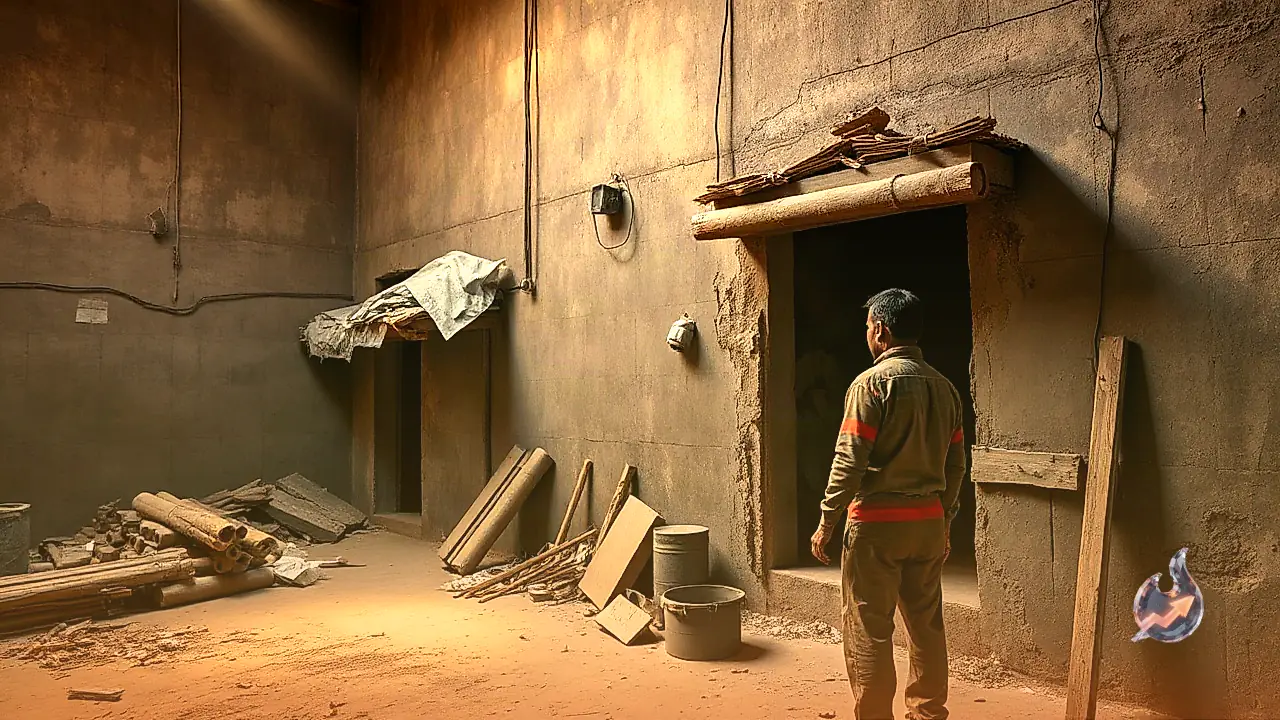

Building a home is one of the most significant life milestones for any individual, with people often investing their entire life savings into constructing a beautiful residence. However, hasty decisions or a lack of technical knowledge during the construction phase frequently lead to critical oversights. Many homeowners rush through brickwork, plastering, and painting to conduct housewarming ceremonies as quickly as possible. Within a short period, moisture seepage begins to creep up the walls, ruining the interior decor and inflicting substantial financial losses through repeated repair work.
Crucial Role of Foundation-Level Planning
To shield a structure from wall dampness and structural damage permanently, protective measures must be implemented right at the foundational stage. Baiju Kumar, a seasoned mason from Ghosi in Jehanabad district with 11 years of experience in house construction, emphasizes that preventing moisture ingress is most effective when executed during the initial foundation phase. According to him, following a systematic step-by-step approach during construction guarantees that seepage issues will never surface throughout the life of the building.
Applying Waterproofing Solution Over DPC
Explaining the technical process, Baiju Kumar notes that once the foundation structure reaches a height of 3 feet above ground level, a Damp Proof Concrete (DPC) layer must be laid. However, simply laying DPC is insufficient on its own. A common mistake made by many homeowners and untrained workers is to resume brick masonry directly over the DPC layer immediately after it hardens. Instead, a protective waterproofing chemical solution must be thoroughly coated over the DPC layer. These waterproofing compounds are readily available at any building material supply shop in the market.
Allowing the Coating to Dry Before Brickwork
The experienced mason stresses that after applying the waterproofing chemical mixture over the DPC layer, it must be allowed to dry completely. Only after the chemical coating forms a dry, impervious barrier should bricklaying for the upper walls commence. This waterproof barrier acts as a seal that prevents capillary action, stopping subterranean moisture from rising up through the brickwork and compromising the wall finish. Skipping this drying phase or omitting the liquid coating leaves the bricks vulnerable to drawing moisture directly from the earth.
Short-Term Savings Lead to Long-Term Expenses
In an effort to cut immediate construction costs, many house owners bypass the step of coating DPC with a waterproofing mixture. However, this minor initial cost-cutting compromises the strength, durability, and aesthetics of the entire structure. Over time, dampness destroys wall plaster, causes paint to peel off, and forces expensive restoration efforts. Investing correctly in quality waterproofing during the foundation stage ensures a durable, aesthetically pleasing home that remains free from dampness for decades.