






















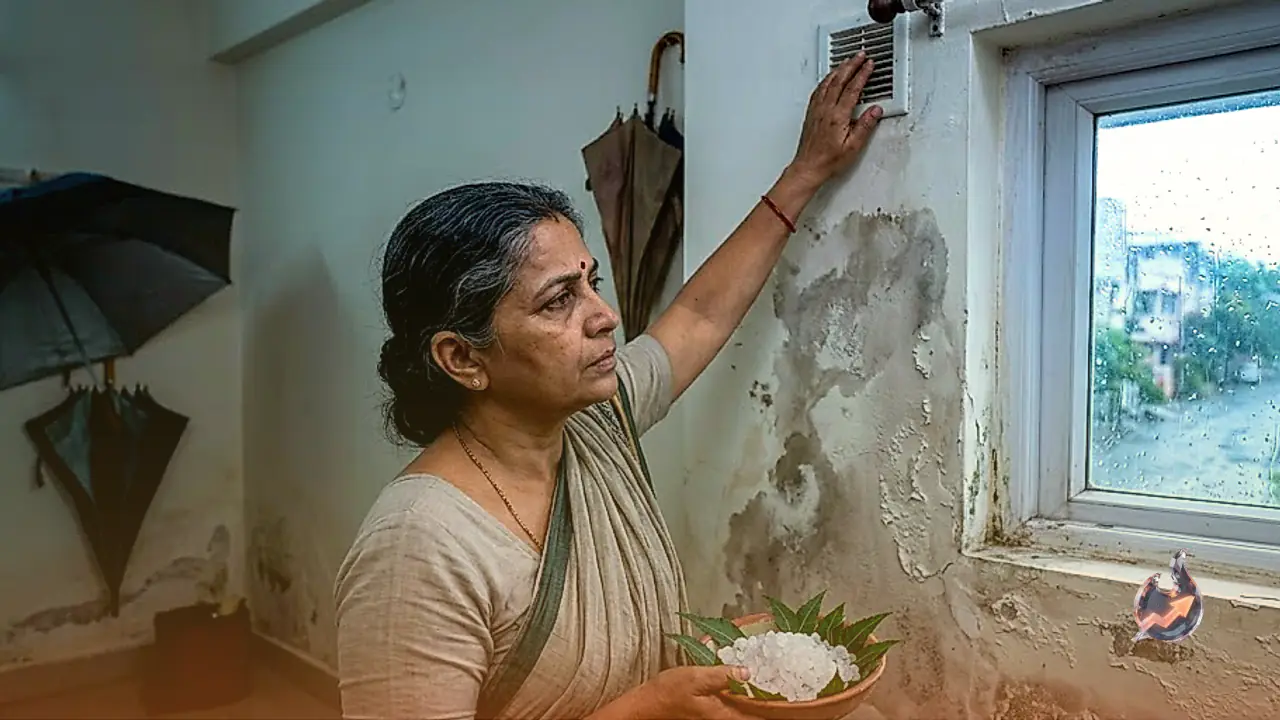

The monsoon brings welcome relief from the heat, but it also drags along a familiar headache for homeowners and shopkeepers alike, damp patches spreading across walls and ceilings. Weeks of continuous rain let moisture soak steadily into plaster and masonry, causing paint to bubble, ceiling plaster to flake off, and patches of black or green mould to appear in corners and along skirting. Left unattended, this seepage doesn't stay cosmetic for long, it can eat into the structural strength of a home over time. The good news is that a handful of simple, low cost steps can keep walls largely dry and mould free through the rainy season.
Start With Cracks And Loose Plaster
The first thing to do is inspect the roof and every wall carefully. Wherever plaster looks broken or is peeling away, scrape that patch clean and seal every crack you find, ideally with a proper waterproofing compound, which is considered the most reliable fix. Left open, these cracks act like tiny doorways for rainwater, letting it seep straight into the wall and worsen the dampness. Repairing them in time does more than stop seepage, it also extends the life of the walls and keeps the structure sound.
Rule Out A Leaking Pipe
Not every damp patch is caused by rain. Sometimes it's a leaking water pipeline running inside or behind the wall that's to blame. Wherever a wall feels consistently wet, it's worth getting the plumbing in that area checked thoroughly. Any leak found should be fixed right away, because a delay only lets water spread further inside the wall and turn into a much bigger seepage problem. Fixing a leak early goes a long way toward keeping the wall dry.
Let The House Breathe
The simplest and most effective defence against seepage is good ventilation. The moment the rain lets up and the sun comes out, open the windows and doors to let fresh air circulate through the house. This helps the moisture trapped indoors escape gradually, which in turn cuts down the chances of mould forming on walls and ceilings. Regular airflow also keeps the indoor environment cleaner, drier and healthier to live in.
Watch The Kitchen And Bathroom Closely
Kitchens and bathrooms tend to hold the most moisture in any home. Running the exhaust fan while cooking and after every bath helps push steam and humidity out before it settles on the walls. If a particular room or corner stays damp for long stretches despite this, using a dehumidifier can help. The device pulls excess moisture out of the air, keeping the space drier and making it harder for seepage and mould to take hold.
Two Old Household Fixes That Still Work
A few simple home remedies can also help keep dampness in check. In spots that stay noticeably humid, placing a bowl of rock salt is a common trick, since the salt absorbs excess moisture from the surrounding air; it should be replaced once it turns damp. Neem leaves or neem oil are also considered useful for slowing the growth of mould. Followed consistently through the monsoon, these small steps, from patching cracks to running an exhaust fan, can keep a home largely free of seepage, dampness and the musty smell that comes with it.