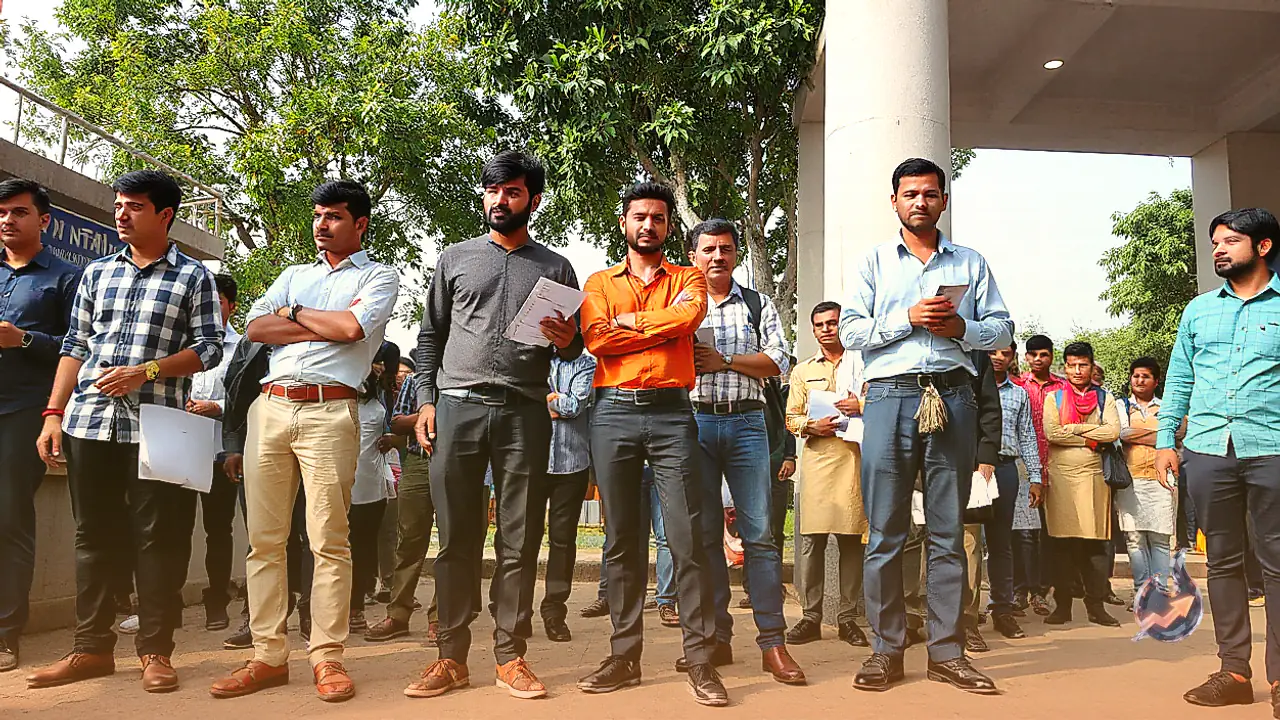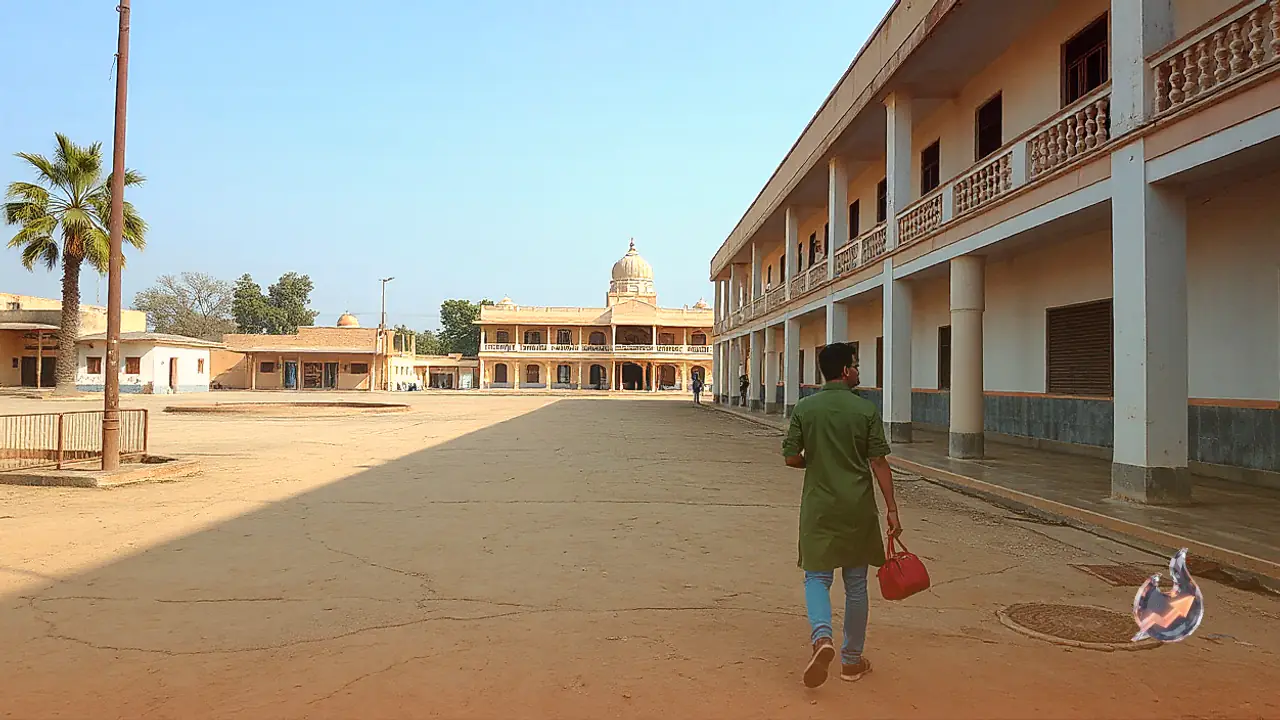




















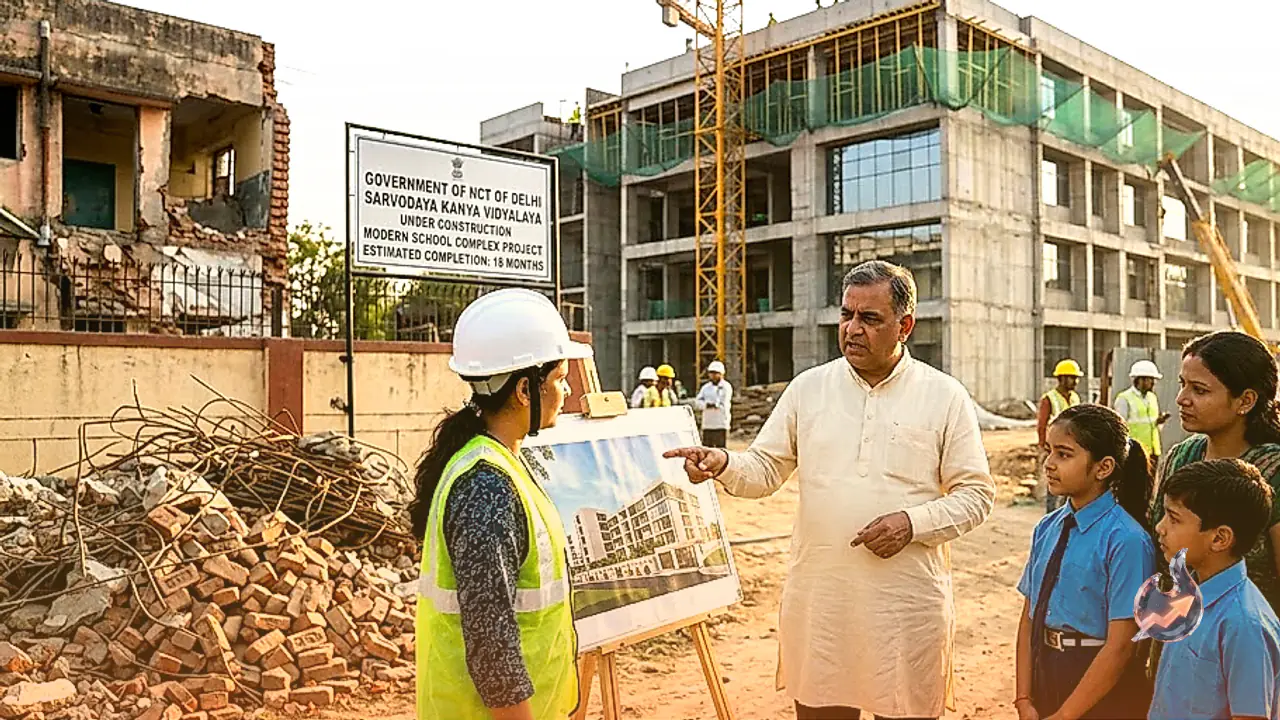

A major infrastructure overhaul has been initiated in Delhi to enhance structural safety and academic facilities across state-run educational institutions. Following a comprehensive city-wide digital profiling of all 1,090 government schools, authorities have finalized a blueprint to address critical infrastructure gaps. Based on physical inspections and technical audits, 34 government school buildings have been identified for demolition, while 27 new modern school complexes will be constructed on vacant plots across the national capital.
Demolition Schedule and New Construction Blueprint
Out of the 34 school buildings slated for removal due to safety concerns, demolition work is currently underway at 16 sites, while formal approval has already been granted for 9 additional cases. Engineering assessments revealed that several existing premises suffered from severe waterlogging, structural decay, or placement in locations unsuitable for a healthy learning environment.
To replace these compromised structures, 27 state-of-the-art school buildings will be developed on clear plots with an estimated financial outlay of approximately 900 crore rupees. Project guidelines mandate that the construction of these new complexes should be completed within an 18-month timeframe to minimize disruption to academic schedules.
Digital Profiling and Scientific Structural Auditing
The Directorate of Education is analyzing the data captured during the profiling drive to map specific structural and utility requirements for each campus. Inspections highlighted existing shortcomings related to electrical connections, drinking water availability, and aging building frameworks. The comprehensive audit documented room-by-room physical assets, evaluating sanitation systems, safety measures, furniture quality, laboratory equipment, digital facilities, and kitchen areas.
To create a permanent digital record, every classroom and facility was scanned using 360-degree imaging, enabling virtual walkthroughs of the campuses. The audit also integrated drone mapping, high-resolution orthomosaic imagery, and GIS-based visualizations. Structural safety assessments were conducted by specialized engineering teams utilizing non-destructive techniques, including rebound hammer tests and ultrasonic pulse velocity evaluations. Based on scientific evidence, campuses have been categorized into groups requiring routine maintenance, structural repair, retrofitting, or complete demolition.
Allocation of 27 Construction Sites Across 5 Clusters
To expedite turnkey execution and streamline monitoring, the Directorate of Education (DoE) has invited bids from central Public Sector Undertakings (PSUs) to appoint Project Management Consultant-cum-EPC agencies. The 27 proposed building locations have been categorized into 5 distinct geographical clusters.
The first cluster comprises 6 plots located in Narela and Bawana. The second cluster includes 5 sites across Bhalswa, Salampur Majra, and Dariyapur Kalan. The third cluster groups 5 plots situated in Rohini, Mundka, and Savda Ghevra. The fourth cluster covers 5 sites spanning Shalimar Bagh, Bakkarwala, Hastsal, Shyam Vihar, and Nangli Vihar. The fifth cluster encompasses 6 plots located in Kutubapur, Kapashera, Jhaffarpur, Jaunapur, Satbari, and Asola.