



















Unverified historical narratives are circulating widely on digital messaging platforms, prompting academic experts to emphasize the irreplaceable role of methodical research in interpreting the past. Speaking at an academic gathering held at the India Habitat Centre in New Delhi, scholars noted that professional historians rely on authentic documentary records and thorough verification rather than superficial assumptions. The occasion also marked the launch of a new academic volume authored by Professor Manisha Mishra Agnihotri examining historical cultural interactions.
New Research Explores Medieval Persian Perspectives
The newly unveiled study centers on how religious and cultural traditions were perceived during medieval India, drawing substantially from Persian historical texts. The work closely examines writings attributed to Abul Fazl, 'Mobed', and Dara Shikoh to assess how Persian authors of that period interpreted Indian customs. By evaluating these literary accounts, the research reconstructs intellectual perspectives prevalent across the 16th and 17th centuries.
The author described the study as an extended intellectual exploration into the engagement between medieval Persian chroniclers and local traditions. Her findings indicate that the specific term 'Hindu' emerged as an identity marker during the 15th century, noting that textual records prior to that era do not reflect individuals using this descriptor for themselves. Such nuances highlight why professional archival scrutiny is essential when interpreting long-term societal transitions.
Conference Explores Heritage, Gandhi, and Indigenous Epistemologies
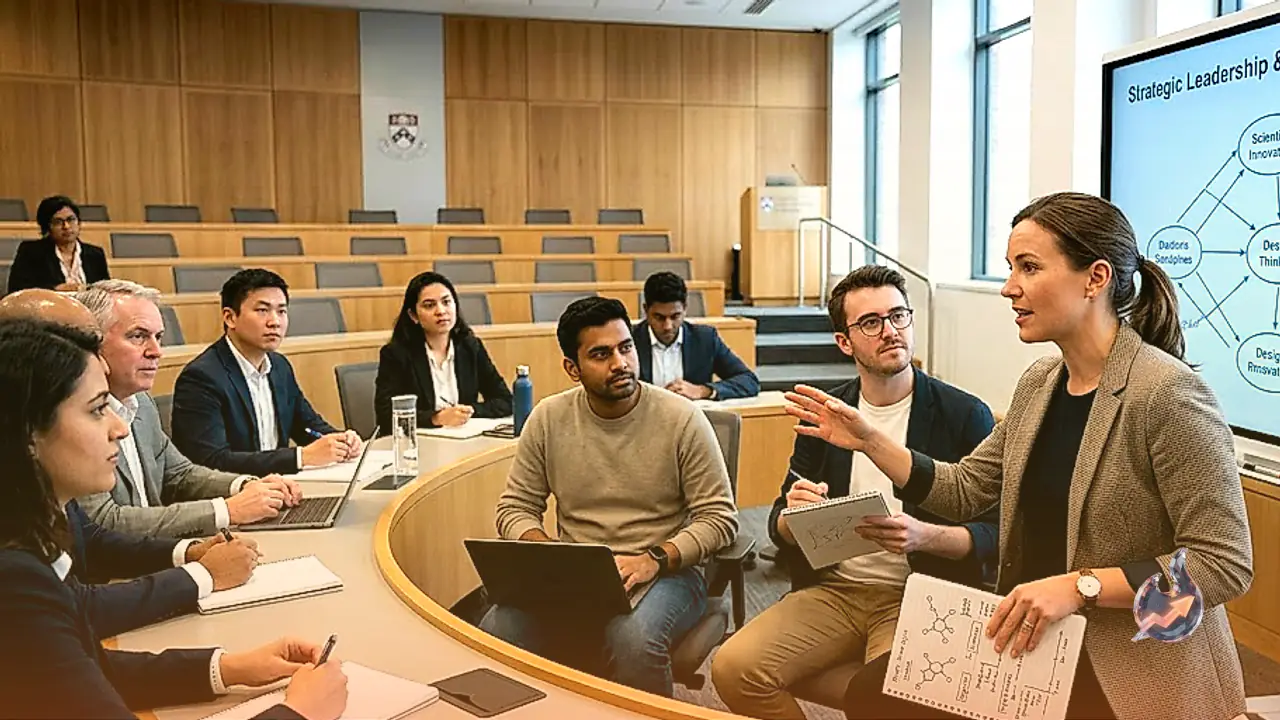
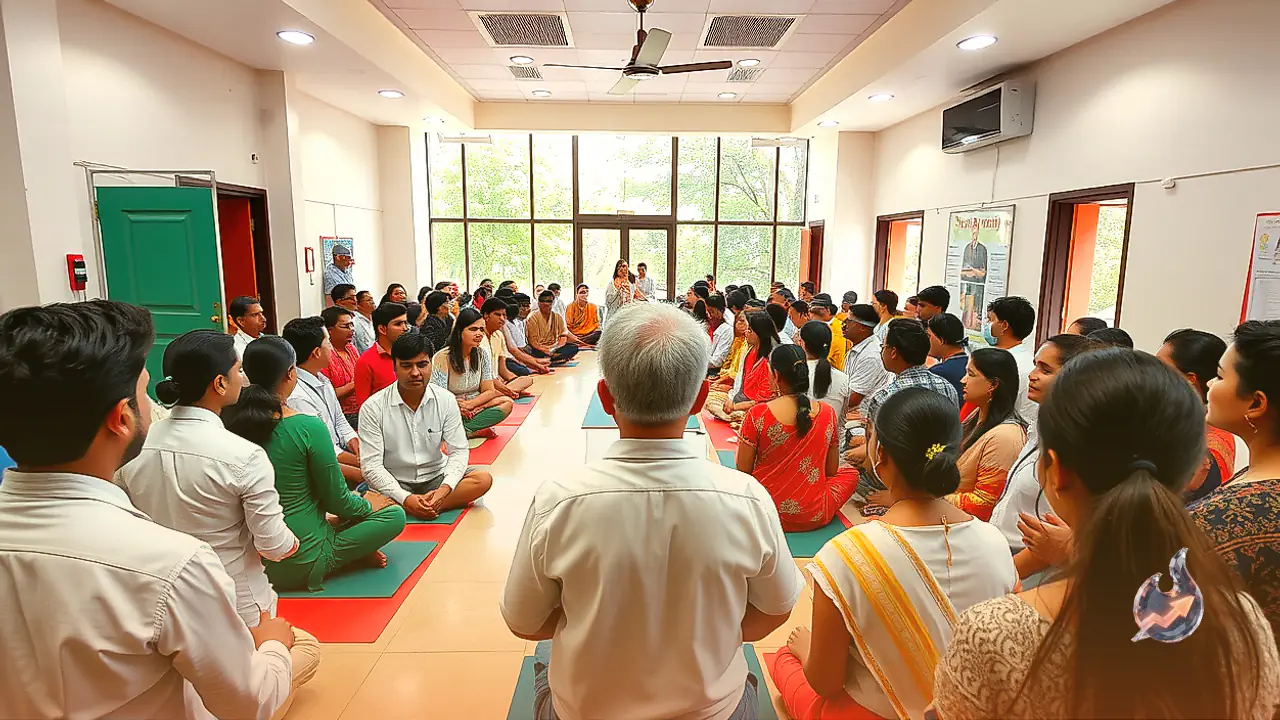
The book release formed part of a two-day international conference titled 'Revisiting the Contours of Indian Civilization: Culture, Heritage, Gandhi and Indigenous Epistemologies', organized by Janki Devi Memorial College of the University of Delhi. The academic forum was jointly managed by the college's Heritage Club, Gandhi Study Circle, and Heritage The History Association to encourage interdisciplinary inquiry into Indian civilization.
During the inaugural gathering, Professor Swati Pal, Principal of Janki Devi Memorial College, highlighted that a multiplicity of perspectives defined the medieval period, noting that historical traditions were not understood through any single narrative framework. Professor Amar Farooqui delivered the keynote address, while Anuradha Krishna and Professor Prabhu Mohapatra also shared detailed academic insights on historical methodology and cultural heritage.
Interactive Dialogues and Concluding Sessions
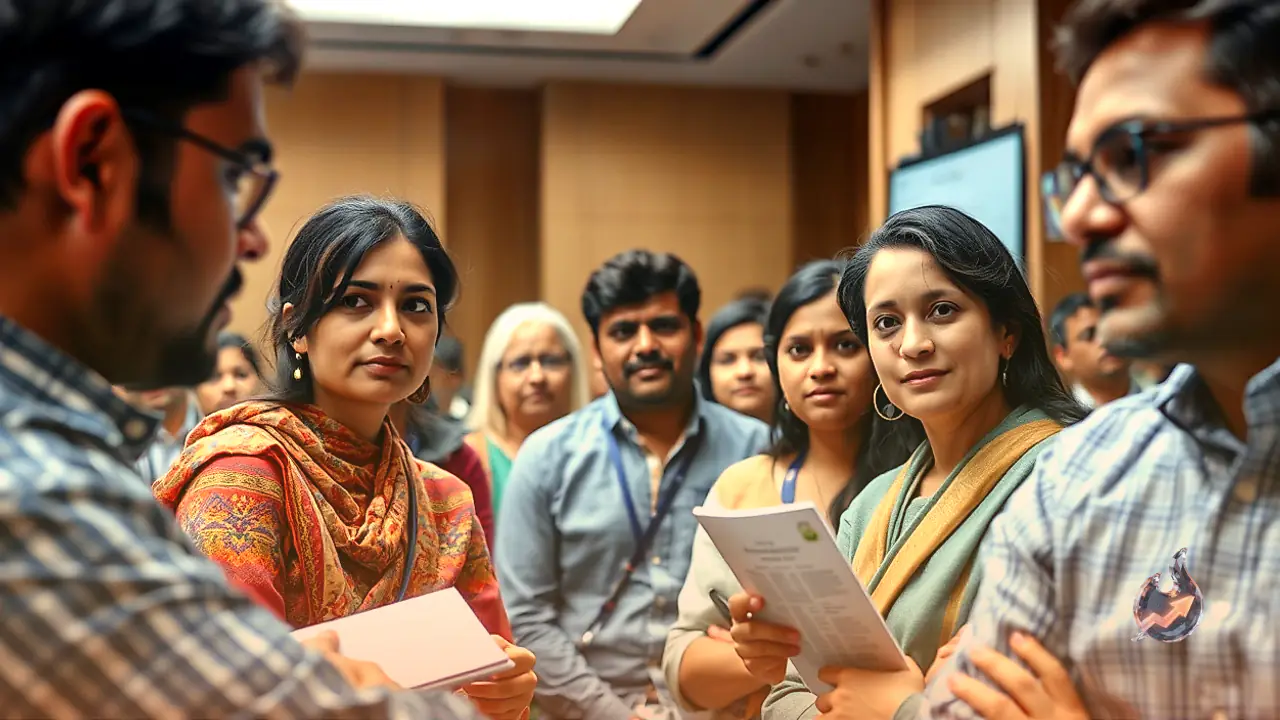
The opening presentations were succeeded by a detailed question-and-answer exchange between delegates, researchers, and panel speakers. Inquiries focused on textual validation, historical methodology, and the social dynamics of medieval India, with speakers emphasizing rigorous historiographical techniques to counter misinformation.
The gathering seeks to contextualize civilizational heritage through indigenous epistemologies alongside Gandhian thought. Proceedings will continue into their second and concluding day on 9 October, featuring dedicated panels on traditional knowledge systems, heritage conservation, and civilizational history.