


















Long recognized as one of the most prominent leading men in Indian commercial cinema, Sanjay Dutt saw his personal and professional world unravel when high-profile success gave way to the harsh reality of prison confinement. Stripped of star privileges and lodged behind bars as an ordinary undertrial inmate, the actor faced an ordeal marked by public scrutiny, personal tragedy, and severe institutional pressure. From facing his father's tears while being placed in handcuffs to enduring long days in solitary confinement, the phase tested his mental endurance to its limits. Decades after those events, the actor has offered an unvarnished account of what unfolded inside his mind and how he maintained his resolve against continuous provocation.
Memories Shared on Shekhar Suman's Chat Show
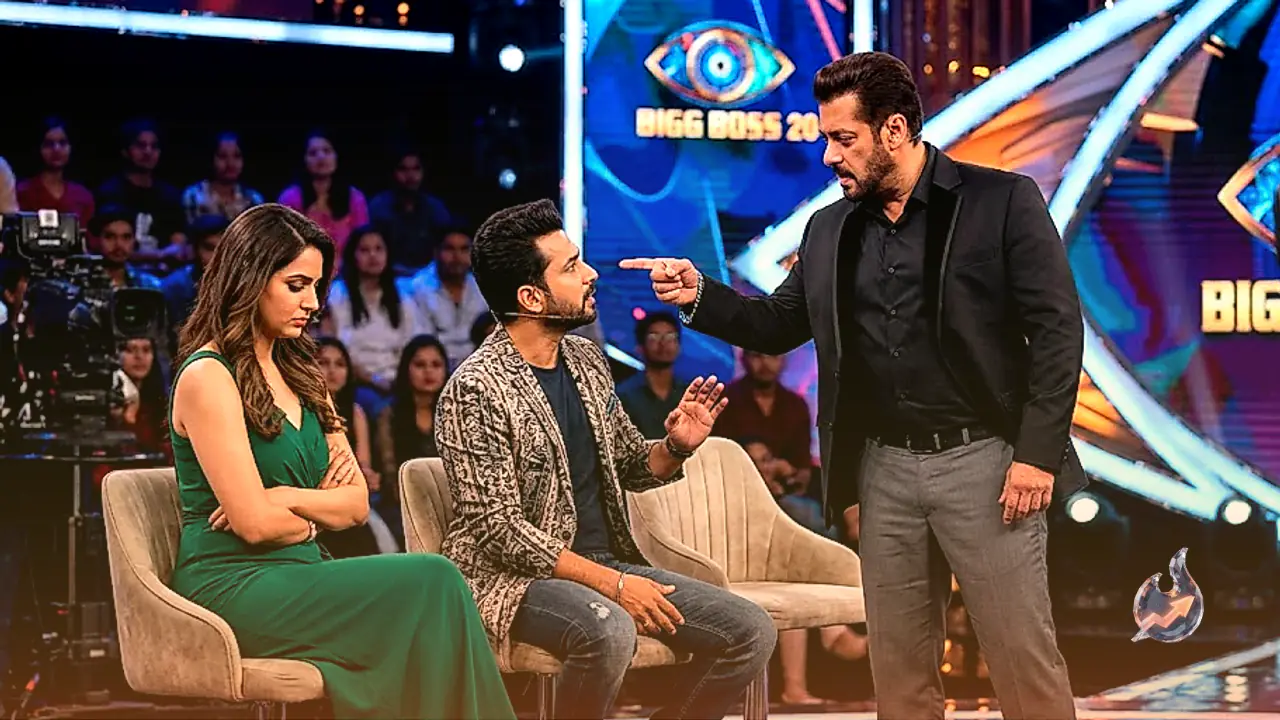
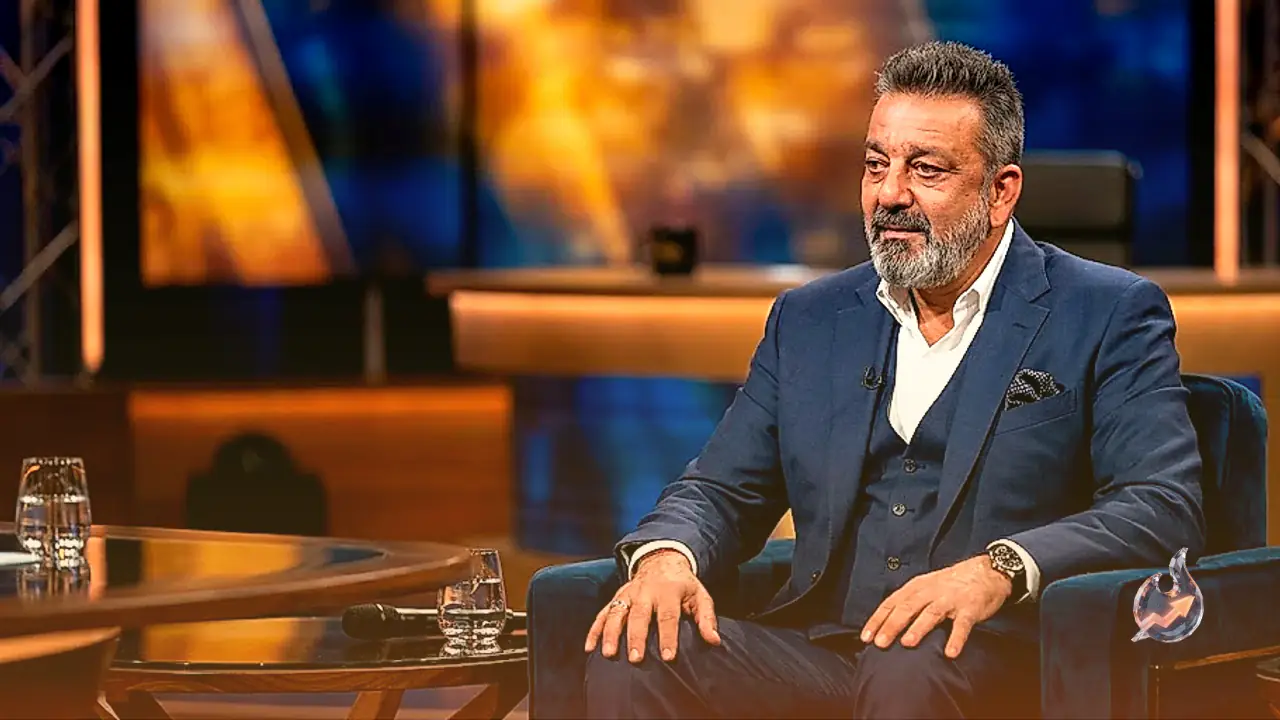
Appearing on Shekhar Suman's well-known talk show 'Shekhar Tonight', Sanjay Dutt revisited the critical turning points of his past. While reflecting on the deepest crises of his life, the actor noted that the single most emotionally devastating moment occurred when the police first clamped handcuffs on his wrists in the immediate presence of his father, Sunil Dutt. The sheer shock of witnessing his father's grief at that moment left an indelible imprint on him.
During their conversation, discussion turned to the extreme conditions under which Sanjay Dutt was incarcerated, including his placement in the high-security 'anda cell', widely considered the most restrictive and punishing enclosure in the prison system. Despite the intense isolation, he managed to preserve his psychological composure. When asked whether the crushing circumstances ever prompted thoughts of ending his life, Sanjay Dutt answered immediately and without hesitation that such a thought never entered his mind.
A Lifetime of Personal Loss and Inner Resilience
The conversation traced the extensive history of bereavement and adversity that shaped Sanjay Dutt's life, including losing his mother Nargis to illness, the untimely demise of his first wife Richa Sharma, the eventual passing of his father Sunil Dutt, an arduous stint in rehab to overcome severe substance dependency, and successfully overcoming stage-4 cancer. When asked what sustained him through such continuous grief, Sanjay Dutt remarked that seeing his father and family in distress caused him immense sorrow, but he resolved never to allow himself to surrender or project weakness.
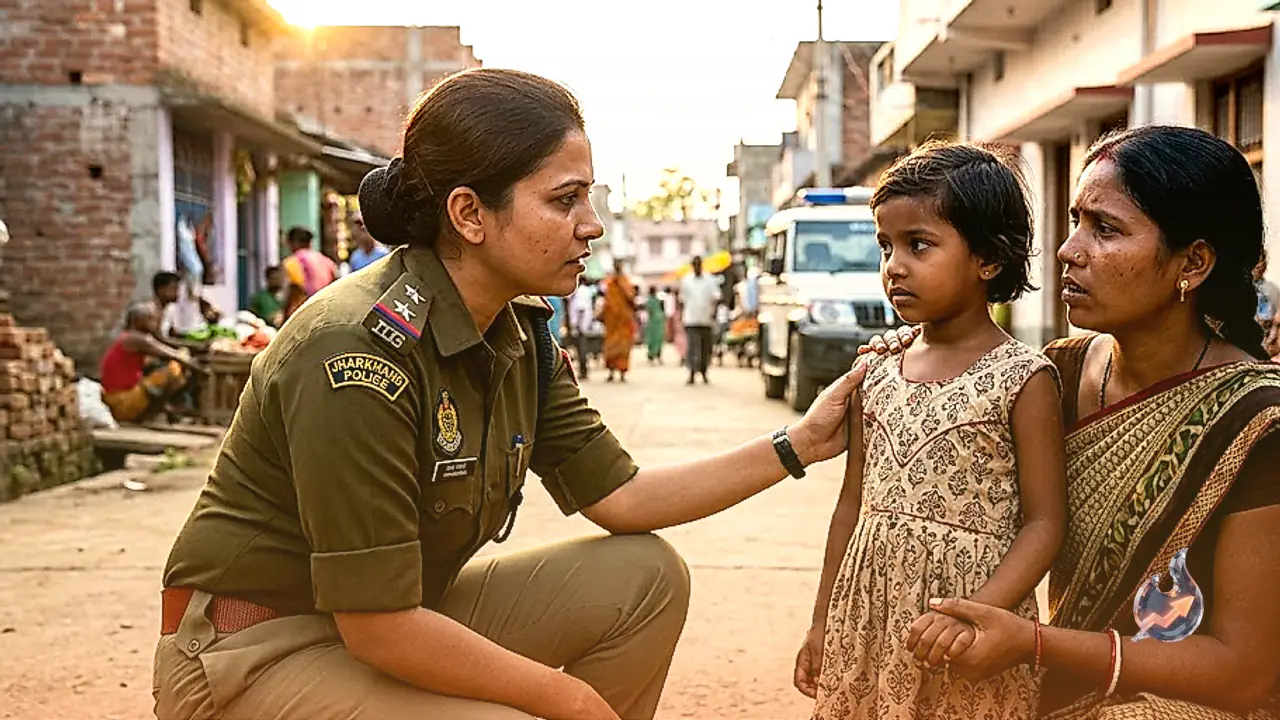
Detailing the exact afternoon when law enforcement personnel first entered his residence, the actor recounted the emotional impact on his father, the revered actor Sunil Dutt. As the handcuffs were being fastened, Sunil Dutt was profoundly shaken, with tears in his eyes as he asked the officers what they were doing to his son. Sanjay Dutt stepped forward, embraced his father tightly, and urged him not to be rattled by the sight of the iron cuffs, assuring him that it was merely standard legal procedure and that he should not succumb to despair.
The actor explained that while the ordeal was inwardly torturous for him as well, projecting outward resilience was essential to keep his father from collapsing under the emotional weight. Sanjay Dutt noted that this overarching legal confrontation continued for roughly 24 years, during which regular devotion and the chant 'Har Har Mahadev' provided him with steady spiritual grounding to confront every courtroom development and personal setback.
Prison Guards, Bureaucratic Taunts, and the Bidi Reply
Recalling the atmosphere inside the penitentiary, Sanjay Dutt observed that prison guards and supervising officers operated under the assumption that denying a celebrity his customary comforts and luxurious lifestyle would inevitably cause him to disintegrate mentally. However, the anticipated breakdown never occurred, leaving the supervisory staff confounded. In response to his composure, some officers resorted to mocking him.
Recalling one specific interaction, Sanjay Dutt recounted an instance when a police officer approached him with a taunt, asking what he intended to do now that he would no longer receive cigarettes inside the barracks. Unfazed by the attempt to demean him, the actor smiled and answered that if cigarettes were unavailable, he was certain bidis could still be arranged. That unbothered, down-to-earth response bewildered the prison staff, who struggled to comprehend how an inmate subjected to such confinement could remain so entirely unruffled.
Sanawar Schooling and Upbringing Grounded in Humility
Sanjay Dutt attributed his unshakeable grounding to the values instilled by his parents and the boarding education he received at The Lawrence School, Sanawar. That foundational upbringing ensured that fame did not foster arrogance or a sense of detachment from everyday realities. Even after attaining stardom in the film industry, he routinely shared meals with ordinary film unit crew members without pretense. Because he never regarded star status as an instrument to elevate himself above others, the abrupt transition to surviving as a regular prison inmate failed to destroy his core identity.
Timeline of the 1993 Arms Act Case
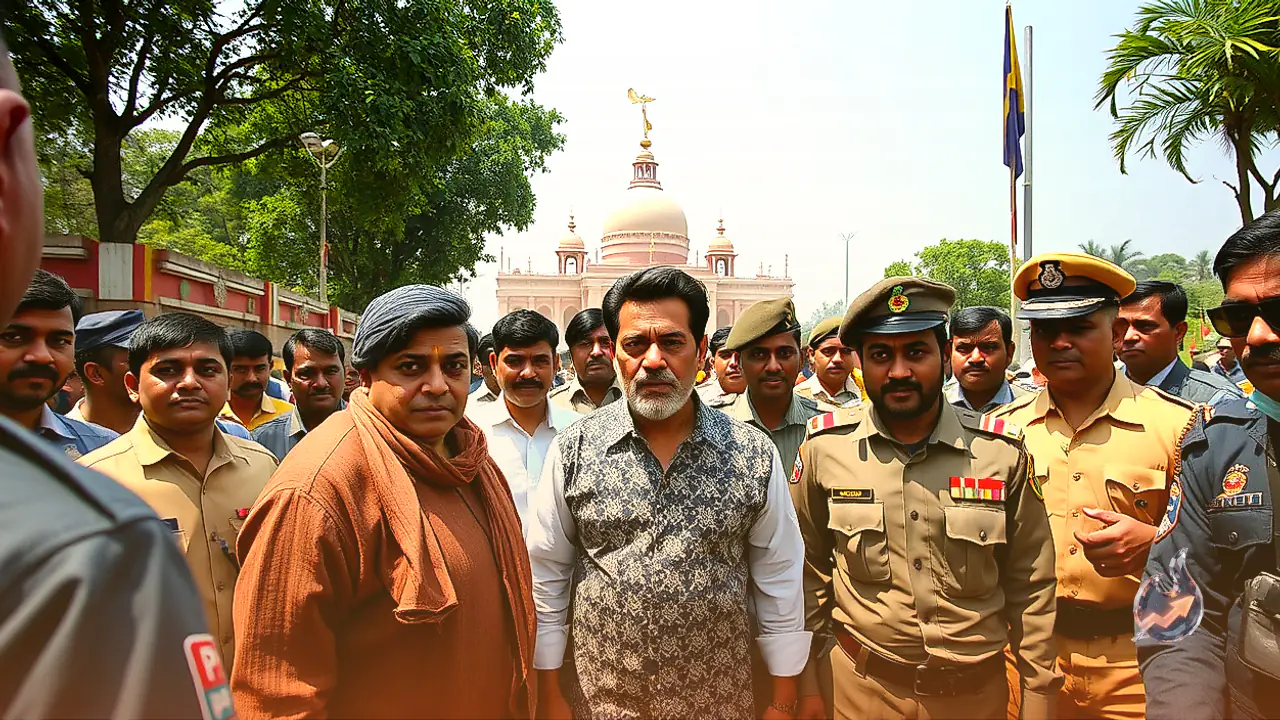
The protracted legal proceedings trace back to Sanjay Dutt's arrest on April 19, 1993, in connection with weapons linked to the 1993 Mumbai serial bomb blasts investigation. Authorities invoked provisions under TADA and the Arms Act. He spent approximately 18 months in custody as an undertrial prisoner before securing bail from the Supreme Court in October 1995.
The trial continued across subsequent years. In 2007, a designated TADA court formally cleared Sanjay Dutt of terror-related charges, while convicting him under the Arms Act for the illegal possession of firearms, handing down a six-year prison sentence. In 2013, the Supreme Court upheld the conviction while reducing the overall sentence from six years to five years.
Following the final ruling, Sanjay Dutt surrendered to custody in May 2013 to complete his remaining term, which he served at Pune's Yerwada Central Jail. Benefiting from remissions granted for disciplined conduct during imprisonment, the actor was formally released from detention on February 25, 2016.