


















A comprehensive approach focusing on infrastructure, modern processing units, value addition, and robust commercial linkages is essential to transform Nagaland's coffee sector into an economically viable venture for local cultivators. North Eastern Council (NEC) Secretary Satinder Kumar Bhalla underscored these priorities, stating that sustainable growth in the sector depends on developing a complete ecosystem rather than focusing solely on farm-level cultivation.
Ground Assessment at Touphema Village
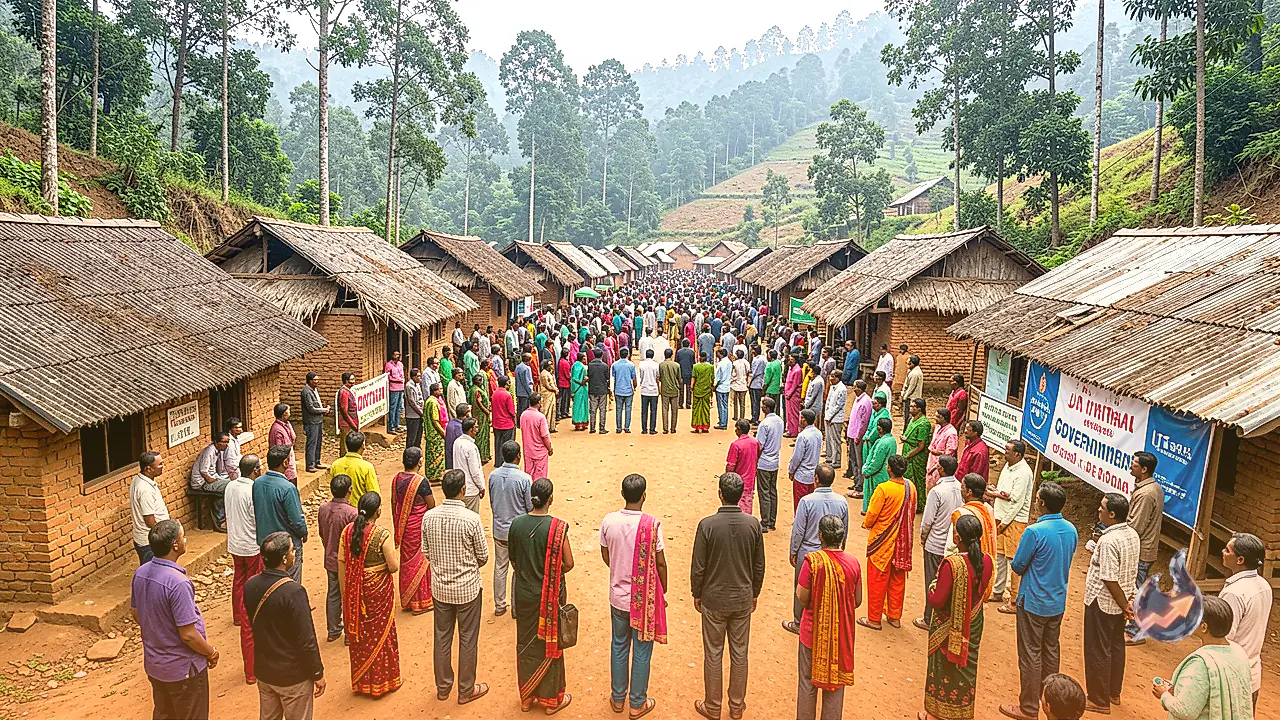
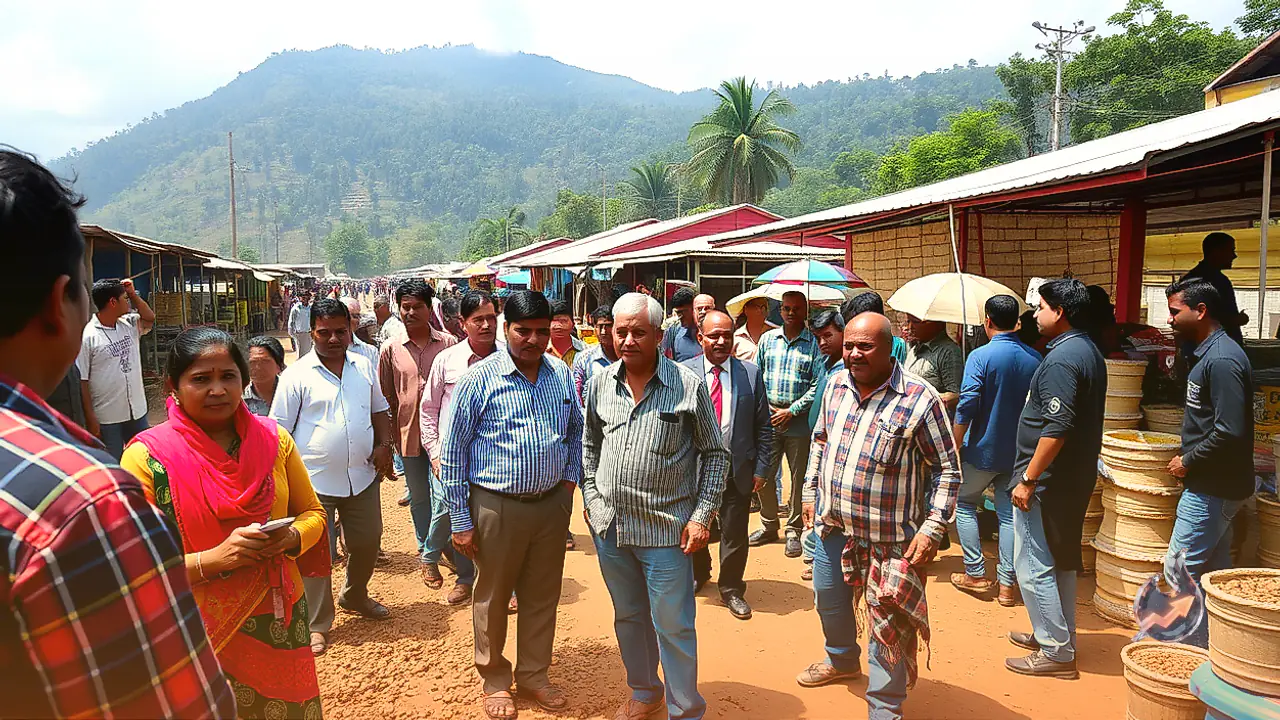
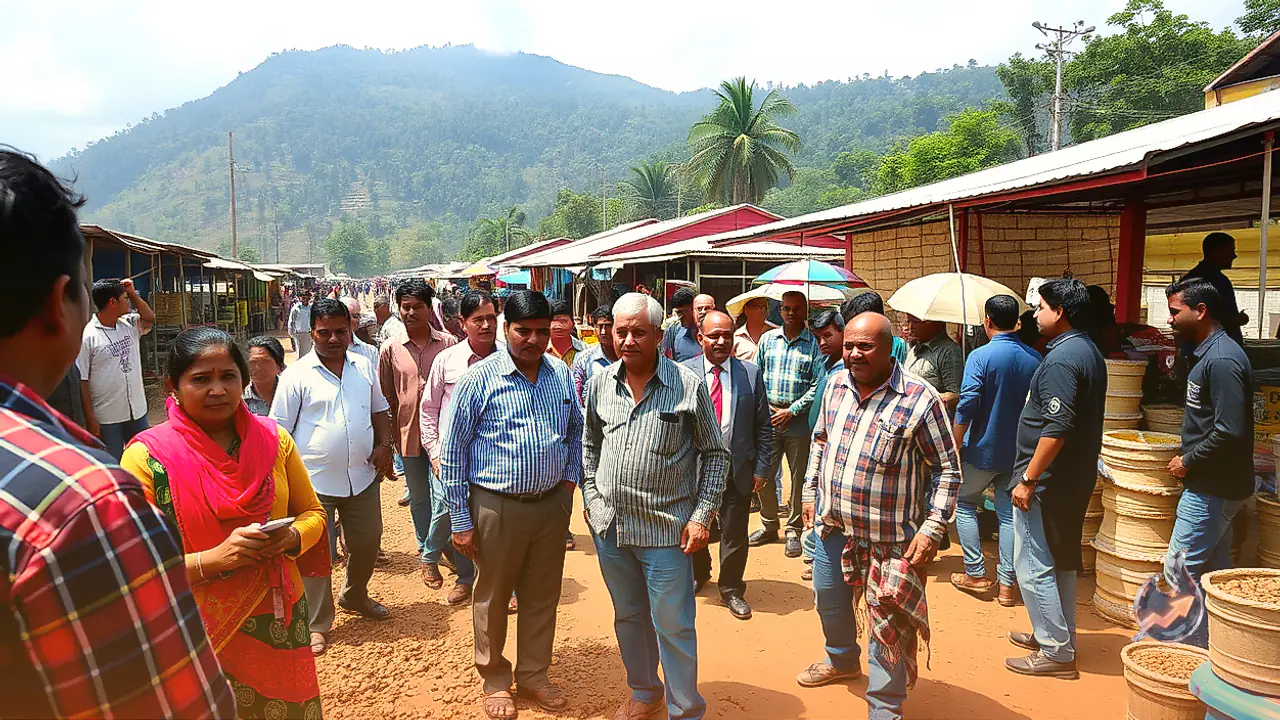
Bhalla conducted a detailed field inspection in Touphema village, situated approximately 34 km from the state capital Kohima. The visit was focused on evaluating the ongoing progress of coffee plantations and associated support infrastructure under the Coffee Utilisation of Surplus Potential (USP) Project. As part of the itinerary, he inspected the plantations, reviewed operations at the Hi-Tech Coffee Washing Station, and held discussions with local growers and representatives from the Touphema Cluster.
During the interaction, Bhalla emphasized that development efforts must look past basic plantation routines. He noted that coffee development requires dependable road connectivity, sophisticated processing machinery, post-harvest infrastructure, strict quality control systems, value addition mechanisms, and smooth access to both domestic and international markets. He stressed that the Coffee USP Project must operate as a broader economic and livelihood framework, allowing local communities to harness the region's natural potential and manpower effectively.
Collaborative Framework and Crop Diversification
To uplift farm incomes, Bhalla called for close synergy among multiple stakeholders. He pointed out that raising earnings requires active participation from the Central government, the Nagaland government, the Coffee Board, local administrative bodies, growers, research institutions, and private industry players. He advised the state administration and the Coffee Board to work alongside central agricultural institutions to examine compatible intercrops and allied activities suitable for coffee estates. Integrating complementary crops, he explained, would maximize land productivity while unlocking supplementary revenue streams for farmers.
Reassuring cultivators of administrative backing, Bhalla stated that authorities would study the feasibility of deploying water-harvesting systems, farm mechanization, modern technology, and specialized machinery to address ground-level hurdles. Furthermore, he encouraged local authorities to engage with industrial associations, private investors, and exporters to channel investments into mechanization and automated operations across the state's coffee value chain.
Historical Context and Grassroots Concerns
Highlighting the historical background, Development Commissioner Y Kikheto Sema noted that coffee farming in Nagaland commenced in 1981. However, the sector has struggled to achieve its full commercial potential due to limited awareness, fragile market ties, and operational bottlenecks. Sema recommended that farmers explore multi-crop farming by planting black pepper and other complementary produce alongside coffee wherever agro-climatic conditions allow.
Touphema Village Council chairman Pfuduolhou Kense highlighted pressing practical hurdles faced by cultivators, particularly steep labor expenses incurred during weeding and harvesting seasons. To reduce this financial strain on local growers, he appealed for administrative support in procuring brush cutters and modern harvesting machinery. Kense also pointed to water scarcity affecting both cultivation and post-harvest washing, urging the government to establish water-harvesting systems, storage facilities, and dependable irrigation networks.
Commending local youth involvement, Bhalla praised young coffee farmer Vibei Kense, who travelled to Vietnam to secure specialized certification in coffee production. He noted that such skill enhancement efforts play a vital role in building skilled local talent and elevating the broader coffee industry in Nagaland.