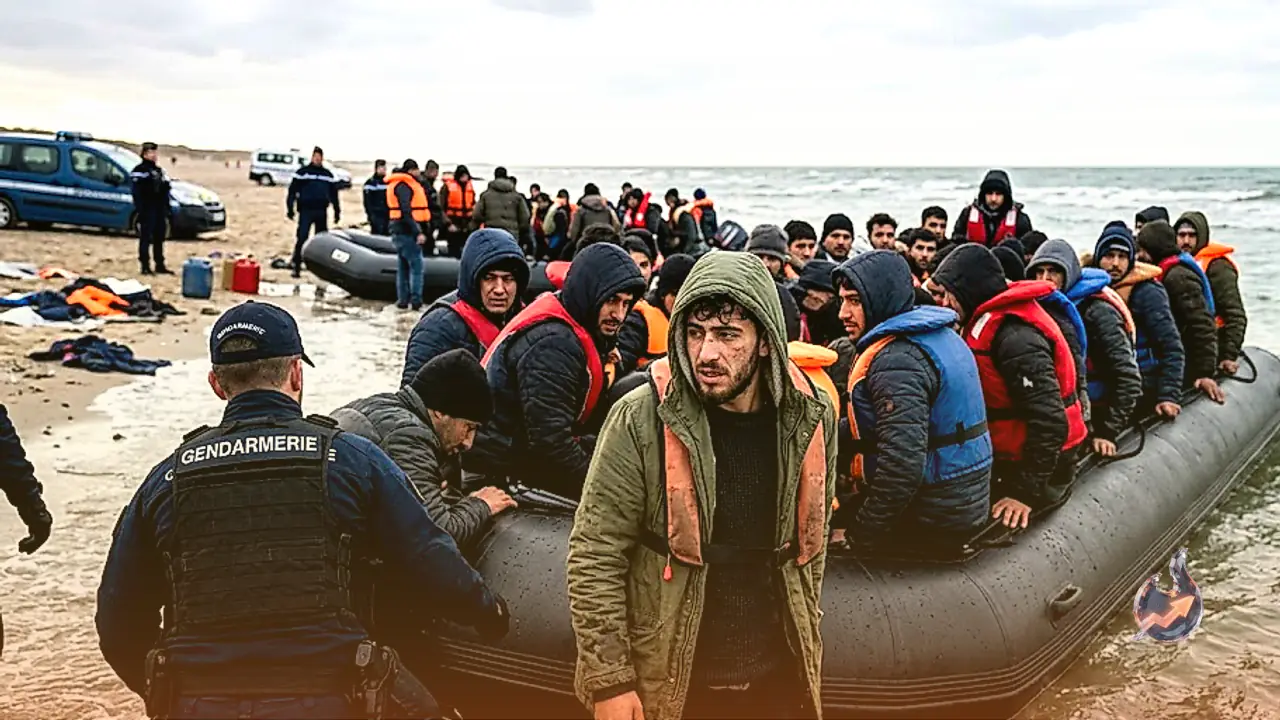























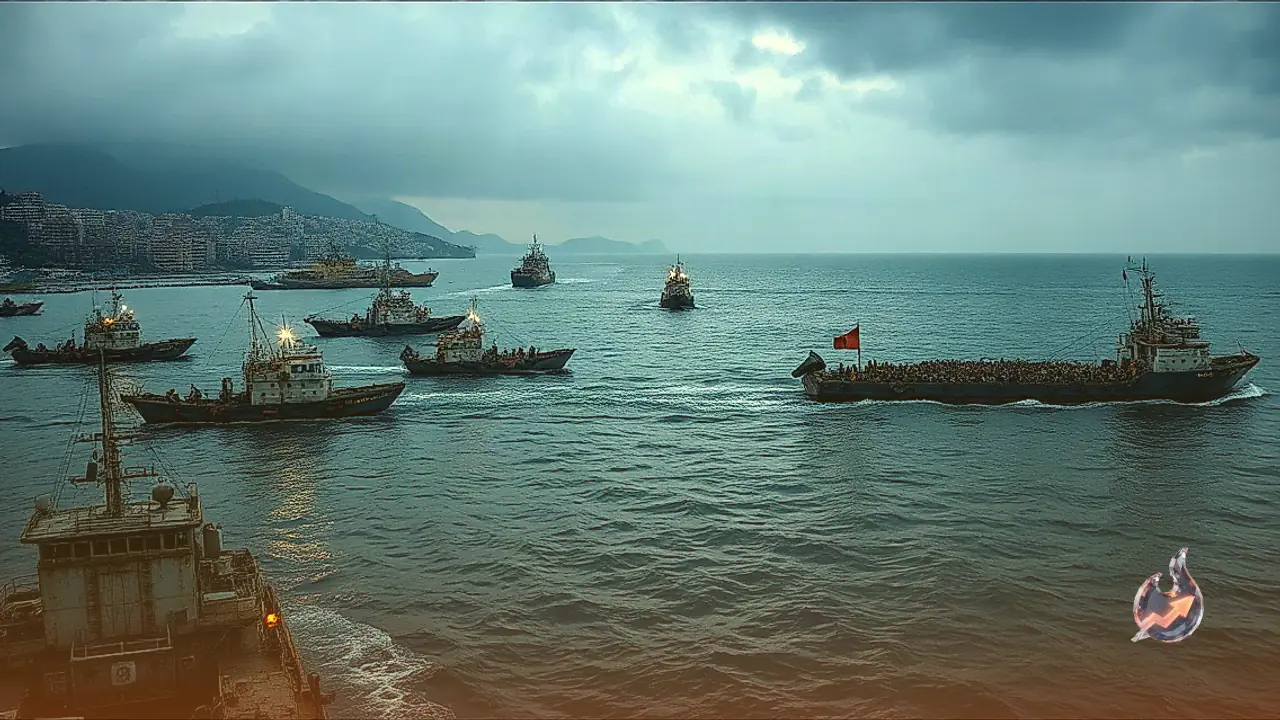

A catastrophic maritime tragedy has unfolded in the Atlantic Ocean after a wooden boat carrying 127 people from West Africa spent 27 agonizing days adrift at sea. Human rights activists and emergency services report that more than 80 occupants, including a baby, are feared to have lost their lives during the ordeal. Spanish Maritime Rescue vessels located the stranded vessel on Wednesday roughly 65 nautical miles southwest of Arguineguín, a coastal town situated on the island of Gran Canaria. Upon reaching the vessel, emergency responders discovered 44 survivors along with five deceased individuals remaining on board, bringing to light one of the deadliest recent incidents along the West African migration pathway to Europe.
Emergency Rescue Operation Southwest of Gran Canaria
The rescue mission was initiated on Wednesday when Spanish Maritime Rescue teams pinpointed the drifting vessel out in open waters. Operating under severe oceanic conditions, crew members managed to extract 44 survivors from the craft. All 44 survivors were identified as men originating from sub-Saharan African nations. However, the physical toll of spending nearly a month adrift in open ocean waters was immediate and alarming. Three of the rescued men were in critical medical condition and required urgent medical evacuation, leading authorities to airlift them directly to a regional hospital for intensive treatment.
The remaining survivors were taken aboard the rescue ship and transported by sea toward Gran Canaria. They finally disembarked at the port in the early hours of Thursday morning, where medical staff, humanitarian workers, and local authorities were waiting to provide emergency care, hydration, and medical assessments. The physical condition of many survivors reflected severe dehydration, exposure to harsh weather elements, and extreme physical exhaustion endured over their four-week struggle for survival in the Atlantic Ocean.
Twenty Seven Days Adrift in the Atlantic Ocean
Reconstructions of the voyage indicate that the vessel originally departed from the coastal nation of The Gambia in West Africa during early August. At the time of its departure, an estimated 127 occupants were on board, seeking to navigate the hazardous Atlantic route toward the Canary Islands. However, after venturing into the ocean, the craft became disabled and lost all propulsion, leaving it at the mercy of unpredictable ocean currents and weather conditions for 27 consecutive days.
Without adequate food, freshwater, or protection from the punishing marine environment, the passengers suffered immense hardship. Human rights activist Helena Maleno Garzón, founder of the Spanish humanitarian charity Caminando Fronteras, stated that 83 people onboard lost their lives during the prolonged time adrift. Among the fatalities recorded by human rights monitors was a baby who perished alongside dozens of adult passengers before the vessel was eventually spotted by maritime search crews.
Severe Weather Forces Rescuers to Leave Bodies
While search and rescue crews successfully saved the 44 surviving men, the operation was complicated by harsh maritime environment. Official statements from Maritime Rescue confirmed that emergency responders were forced to leave the five deceased bodies found aboard the vessel. Adverse weather conditions in the search zone made body recovery impossible, as crews faced powerful 20-knot winds and turbulent sea waves reaching heights of 2.5 metres.
The maritime agency emphasized that the dangerous swells and strong wind conditions posed immediate safety hazards to rescue personnel and the structural stability of the rescue apparatus. Maritime Rescue also noted in an official statement that it could not independently confirm or verify the exact total number of passengers originally present when the boat launched from West Africa, noting that conducting historical passenger counting falls outside its statutory operational remit.
Human Rights Toll and Maritime Route Hazards
The loss of more than 80 lives underscores the lethal risks associated with the Atlantic migration route connecting West Africa to Spain's Canary Islands. According to rights groups like Caminando Fronteras, wooden boats embarking from countries such as The Gambia face immense navigational challenges, long distances, and fierce ocean currents that can easily sweep disabled craft hundreds of miles off course into desolate ocean zones.
As surviving passengers receive ongoing medical attention on Gran Canaria, humanitarian organizations continue to advocate for enhanced monitoring, rapid response search protocols, and safer legal pathways to prevent similar loss of human life in international waters. The tragedy stands as a sobering reminder of the extreme dangers faced by individuals making the perilous sea crossing across the Atlantic Ocean.