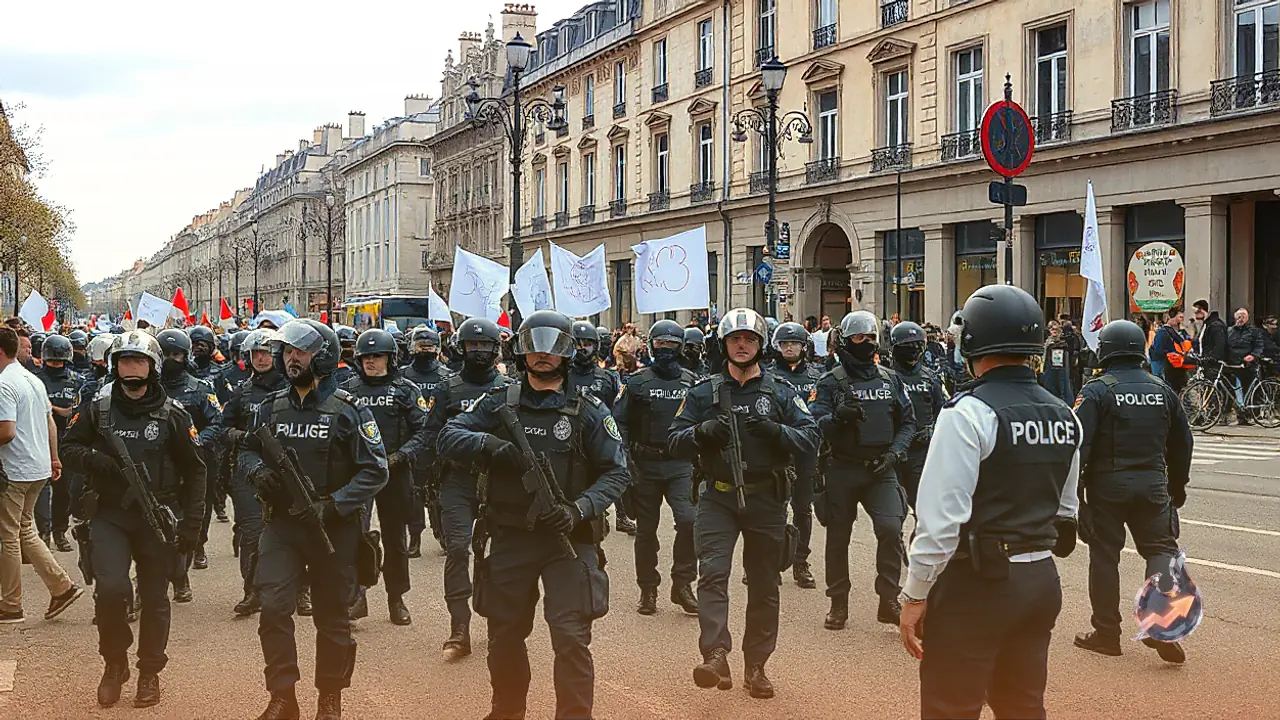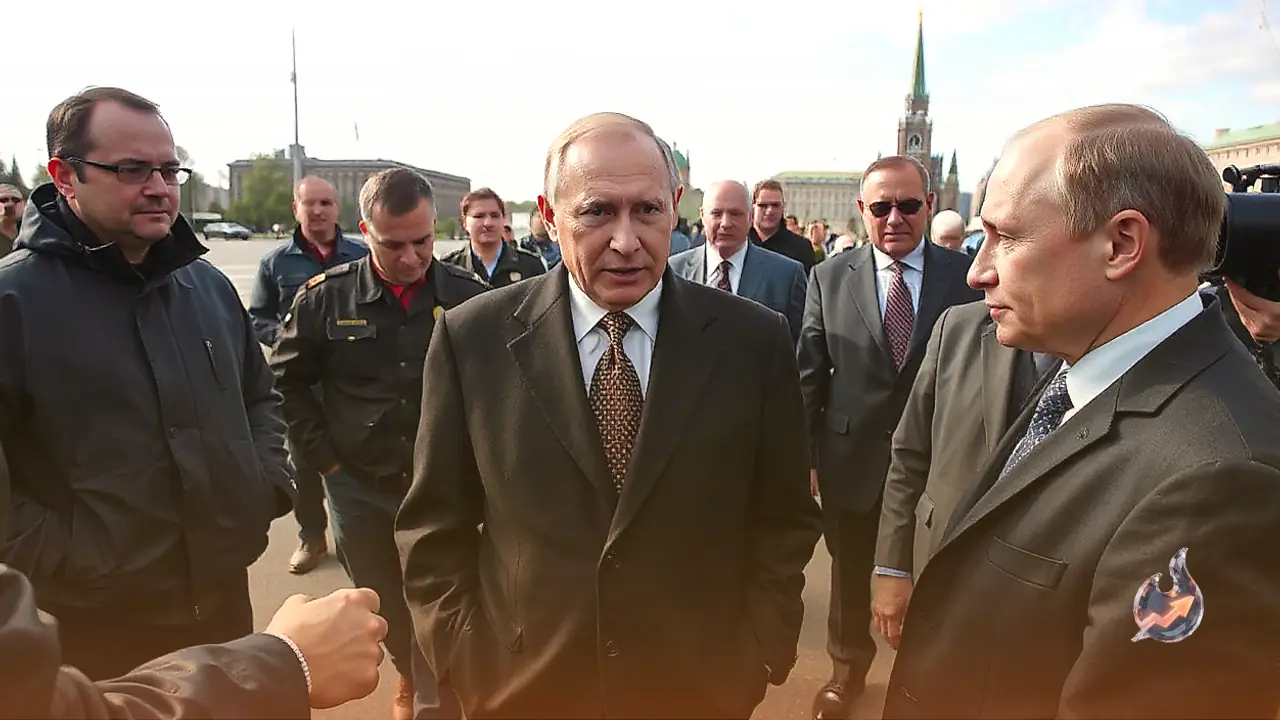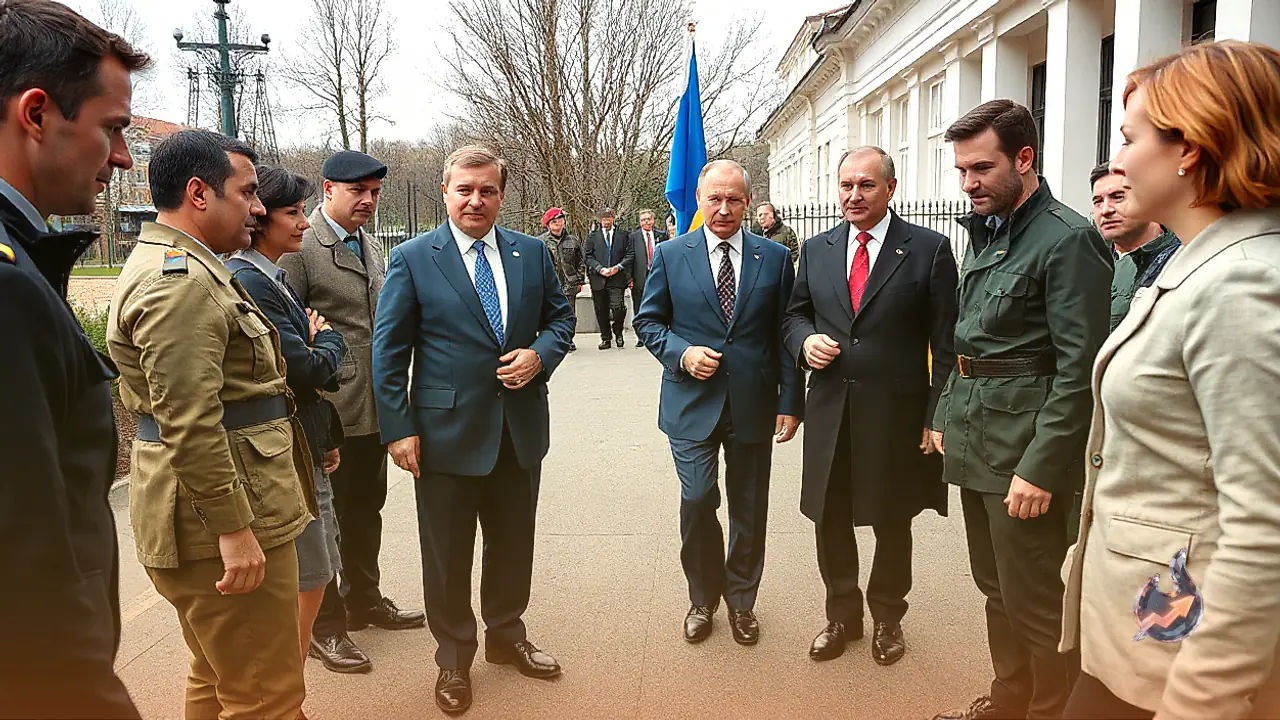






















Germany has officially stated that Russia was responsible for the drone incident that occurred at Leipzig's airport last month. A drone carrying explosive materials was discovered at the Leipzig/Halle Airport located in eastern Germany on August 4, parked in close proximity to Ukrainian cargo planes. The device failed to detonate because its detonator appeared to be faulty, while investigators also suspect that a second drone collided with a nearby cargo aircraft during the same timeframe. A third drone was subsequently found near the airport grounds ten days later.
Pattern of Hybrid Operations
Interior Minister Alexander Dobrindt noted that the airport attack followed the well-established pattern of Russian hybrid operations across Europe and warned that the assumption remains that Germany will likely be targeted again in the future. Although security experts had previously speculated about Moscow's involvement, Russia has consistently rejected all claims of participation. The Leipzig/Halle facility in eastern Germany is frequently utilized by the German military and NATO allies for transporting military logistics, while also serving as the primary base for Ukraine's Antonov Airlines, which handles the majority of that country's aerial freight.
Diplomatic Retaliation and Closures
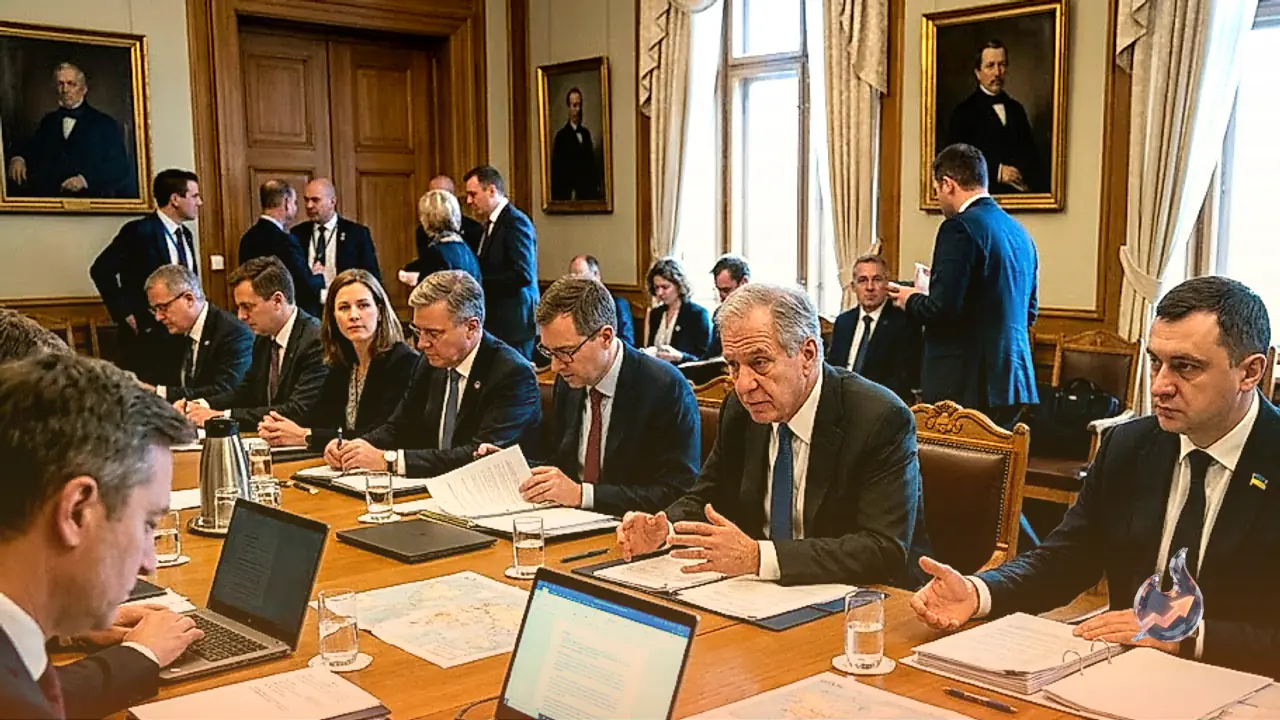
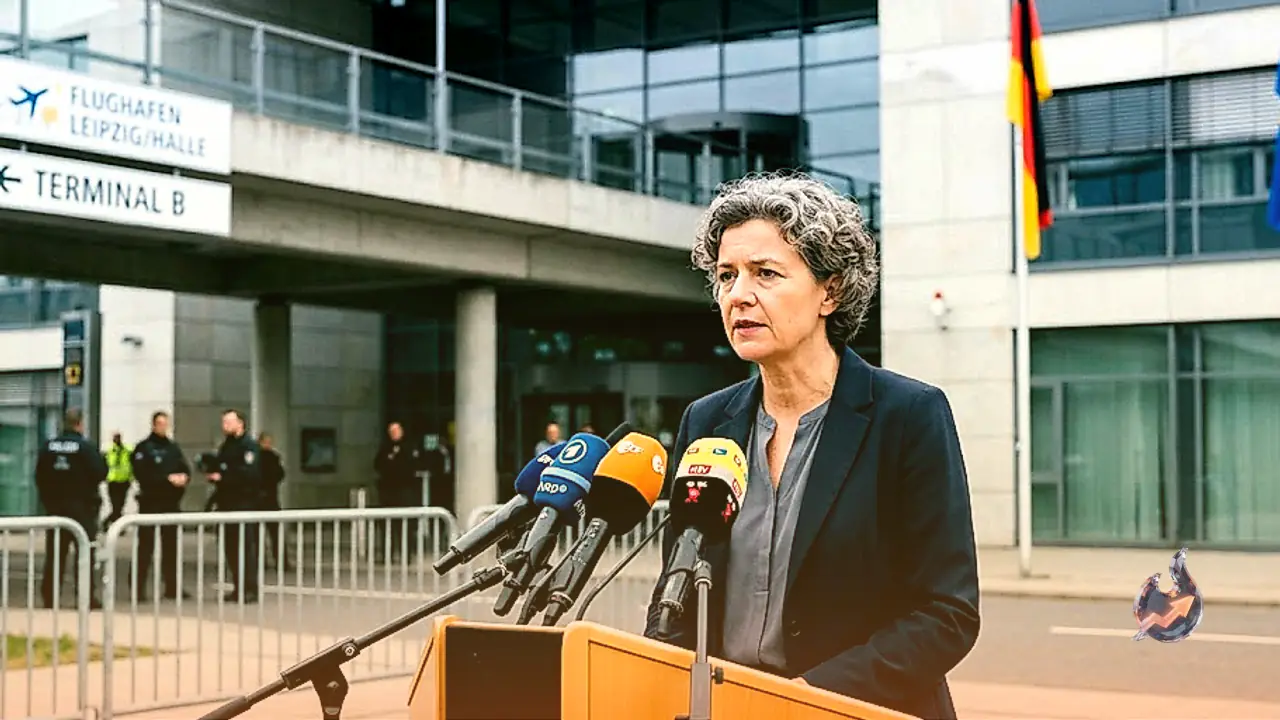
Standing alongside Dobrindt during a press conference in Berlin, German Foreign Minister Johann Wadephul announced plans to order the closure of the Russian consulate located in Bonn. Additionally, the contract for the Russian House in Berlin will be terminated, a facility that numerous observers have long alleged was utilized for espionage activities and the dissemination of Russian propaganda. NATO Secretary General Mark Rutte expressed full solidarity with Berlin, writing on X that the evidence is clear and welcoming the decisive measures announced by Germany.
Broader Infrastructure Security and Political Risks
Germany is among several NATO member states reporting mysterious drone sightings near airports, military bases, and critical industrial installations over the past year. Berlin had previously remained cautious about officially identifying external perpetrators, mentioning only that foreign powers might be involved, though United States media outlets had earlier linked the incident to Moscow. Chancellor Friedrich Merz warned last week that hostile actors targeting Germany would pay a price, prompting the government to consider expanding the legal powers of its domestic intelligence agencies.
Delicate Timing Ahead of Regional Elections
This major security announcement arrives at a precarious political moment for the government of Friedrich Merz, who stands as a key backer of Kyiv. An upcoming state election in the eastern region of Saxony-Anhalt threatens to propel the far-right Alternative für Deutschland party into a state-level government position for the very first time. The opposition party actively campaigns to halt all aid to Ukraine and seeks to restore diplomatic and economic ties with Moscow. Meanwhile, German police are separately investigating an incident in Brandenburg where improvised explosive and incendiary devices damaged a power substation, causing a temporary local outage.