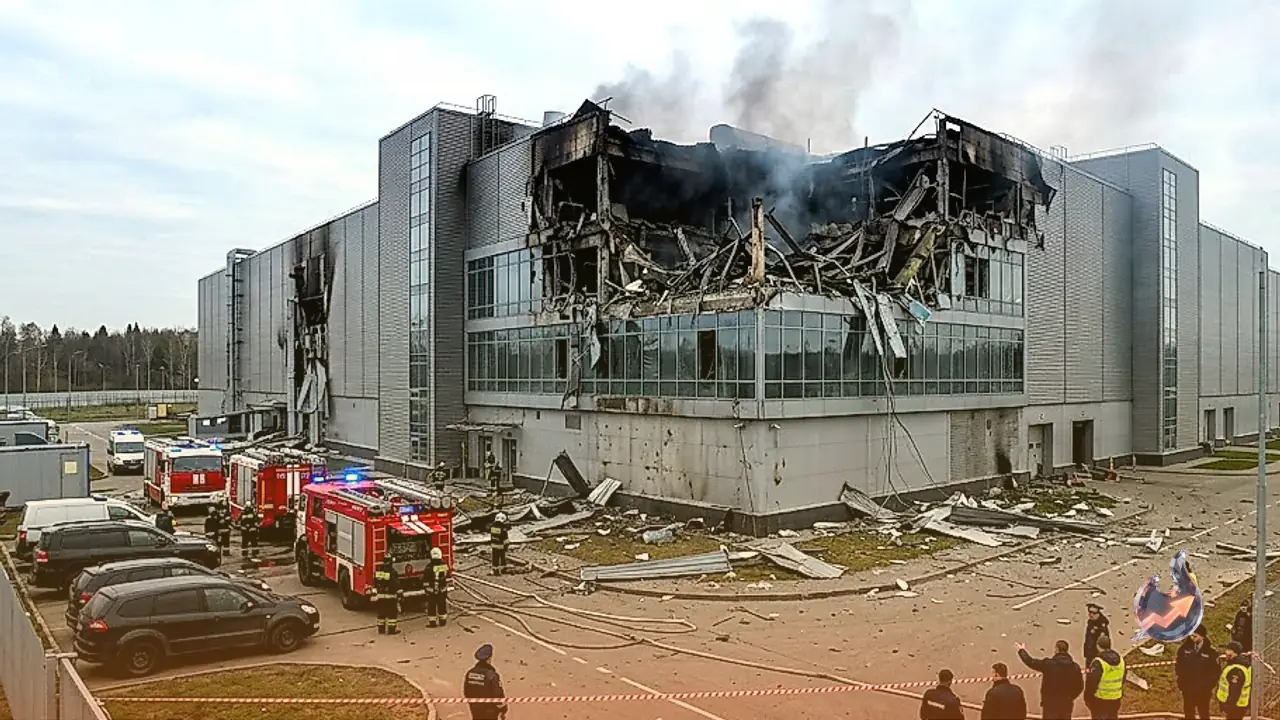

























A sharp geopolitical turnaround between Washington and Moscow has triggered an intense surge of violence across eastern Europe, leaving dozens of casualties in its wake. Following an agreement to transfer massive volumes of refined fuel, Russian military forces unleashed a heavy wave of coordinated missile and drone strikes across multiple Ukrainian provinces. Regional officials confirmed that the bombardment in the Zaporizhzhia area claimed the lives of approximately 20 individuals and inflicted injuries on 18 others, with multiple residential structures sustaining severe damage in the assault.
The Multi-Million-Ton Energy Pact That Sparked the Clashes
The latest escalation erupted immediately after terms were set for 3,000,000 tons of diesel to be shipped to the United States, with an initial delivery of 300,000 tons scheduled to arrive within days. The arrangement provoked fierce condemnation from Zelensky, who openly denounced Trump for betrayal. From Kyiv's vantage point, purchasing Russian fuel during an ongoing conflict effectively supplies Moscow with an economic lifeline, undermining the war effort at a critical juncture.
In immediate retaliation to the commercial agreement, Ukrainian forces escalated long-range drone incursions aimed directly at energy infrastructure inside Russia. Explosive strikes battered three Russian refineries, alongside specific maritime terminals actively handling fuel shipments slated for American destinations. It was this concerted aerial campaign against fuel hubs that prompted Moscow's sweeping counter-offensive across Ukrainian territory.
A Swift Reversal of Sanctions Policy
The diplomatic shift marks an abrupt departure from Washington's recently stated legislative posture. On September 16, authorities formally enacted the Lindsey Graham Sanctioning Act 2026 to clamp down on Russian resources. However, within a mere 24 days, policy was reversed to authorize direct fuel imports, suspending restrictions on Russian diesel through April 7, 2027.
The bilateral arrangement spans a duration of seven months under a structured delivery schedule. Imports are slated to begin with 300,000 tons in October, scaling up to 500,000 tons throughout November. By December, volumes could reach 1,000,000 tons, eventually culminating in roughly 3,000,000 tons acquired by April of the following year.
Allied Friction Across Europe and Domestic Economic Pressures
The transatlantic fuel accord has sent shockwaves through European capitals and ignited fears of fractures across the NATO alliance. Governments across Britain, Germany, France, Italy, Denmark, Finland, and Poland had faced persistent pressure to release domestic reserves and strictly forego discounted Russian hydrocarbons, enduring sharp inflationary spikes as a consequence. At the same time, Moscow pointed out that despite existing sanctions regimes, European Union member states imported a larger volume of LNG in 2026 than they did during 2025.
Behind the White House's sudden trade pivot lies intense domestic economic anxiety tied to upcoming mid-term elections. Prior to the conflict involving Iran, diesel prices across the United States stood at $3.70 per gallon. They have since climbed steeply to $6.28 per gallon. With farmers, commercial haulers, logistics operators, and major corporations feeling the acute strain of soaring overheads, stabilizing pump prices through foreign shipments became an urgent political priority.