























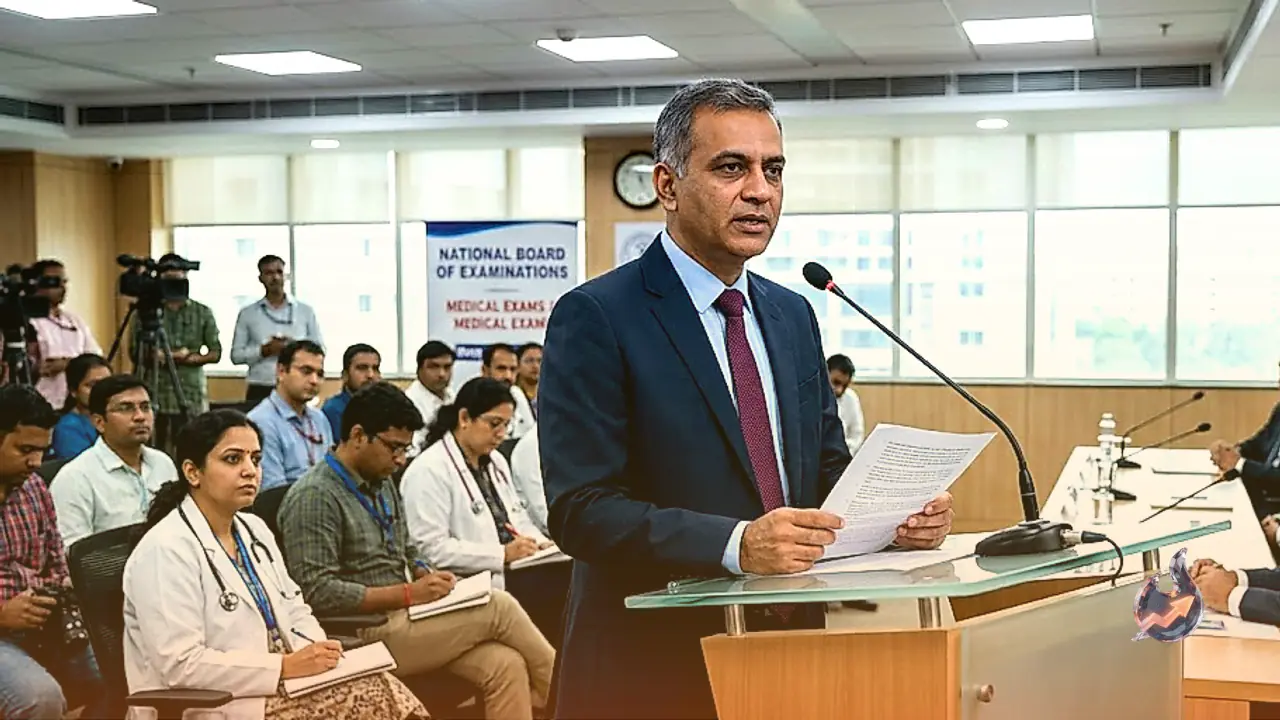

The National Board of Examinations has undertaken a comprehensive overhaul of the NEET PG 2026 examination structure. Designed to mitigate mental strain and logistical hurdles for thousands of medical graduates across India, these systemic changes target the exam tentatively scheduled for August 30, 2026. For years, candidates preparing for postgraduate medical admissions expressed frustration over distant examination venues and complex multi-shift testing methods. The newly introduced reforms aim to streamline candidate logistics while ensuring that the evaluation framework remains entirely transparent, standardized, and equitable.
Exam Centers Assigned in Home Districts to Eliminate Travel Stress
One of the persistent challenges faced by NEET PG candidates was the allocation of examination centers located hundreds of kilometers away from their residence or institution, often in neighboring states. Traveling long distances immediately prior to a critical entrance test induced severe physical fatigue and heightened anxiety. Under the updated guidelines, the National Board of Examinations prioritizes allocating test venues within the candidate's home district or the nearest accessible city. This logistical shift significantly reduces financial burdens, conserves valuable travel time, and enables aspirants to appear for the test fully rested and prepared.
Single-Shift Exam Format Ends Normalization Controversies
Previously, conducting NEET PG across multiple sessions introduced variations in question paper difficulty. To reconcile discrepancies between easier and harder test shifts, the administration relied on score normalization formulas. However, normalization frequently triggered dissatisfaction among meritorious candidates who felt the process lacked clarity and impacted their overall ranking. Starting with the 2026 cycle, the entire examination will take place in a single unified shift nationwide. Every applicant will attempt the exact same question paper simultaneously, permanently eliminating the need for score normalization and ensuring a straightforward, merit-based ranking list.
Fewer Questions With Unchanged Duration for Better Time Management
Significant adjustments have also been introduced regarding the paper pattern itself. Candidates will be required to answer a reduced number of questions compared to previous editions of the test. Crucially, the total allocated examination time remains unchanged. This modification increases the average time available for assessing and answering each individual question. Aspirants will no longer need to rush through complex clinical scenarios under severe time constraints, thereby lowering the probability of negative marking caused by hasty choices and allowing for a more analytical approach during the examination.
A Candidate-Centric System to Support Medical Graduates
Balancing rigorous hospital shifts during internship with postgraduate entrance preparation presents immense academic and emotional demands on medical graduates. Cumbersome administrative procedures and rigid testing frameworks previously aggravated candidate stress. By eliminating long-distance travel, offering better time allocation per question, and establishing a single-shift evaluation process, NEET PG 2026 establishes a considerably more supportive and fair testing environment for prospective specialists.