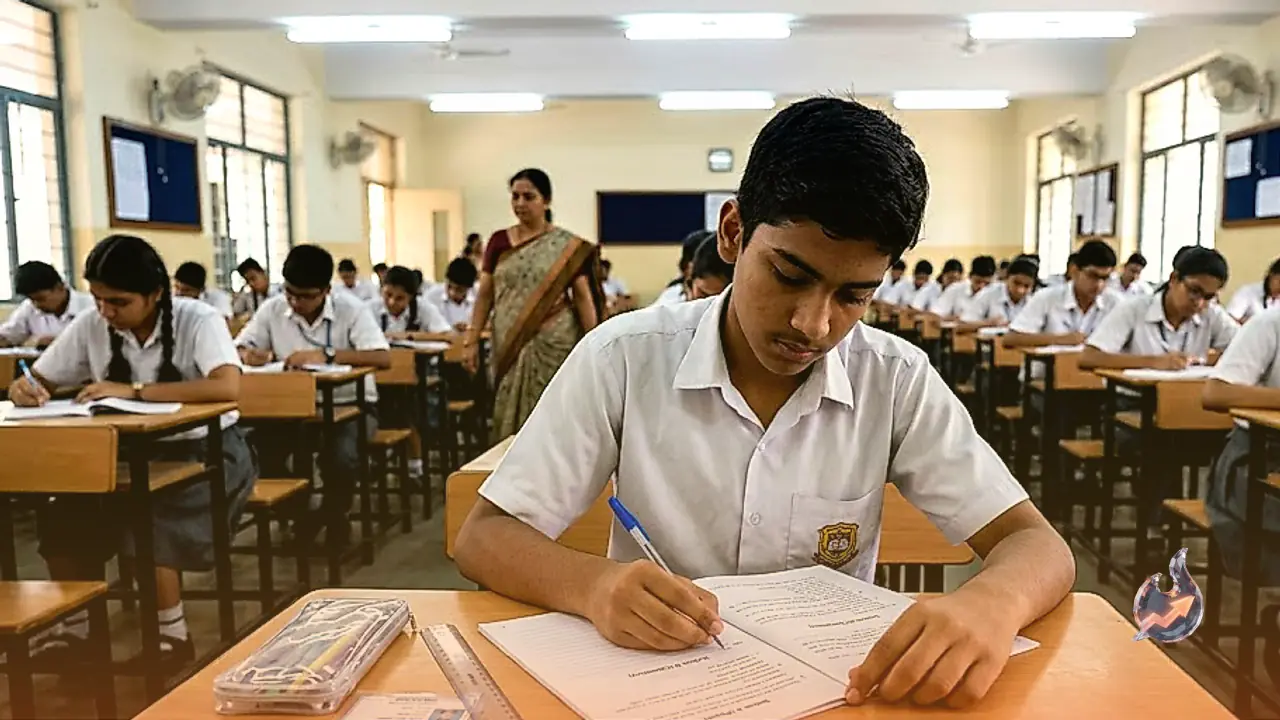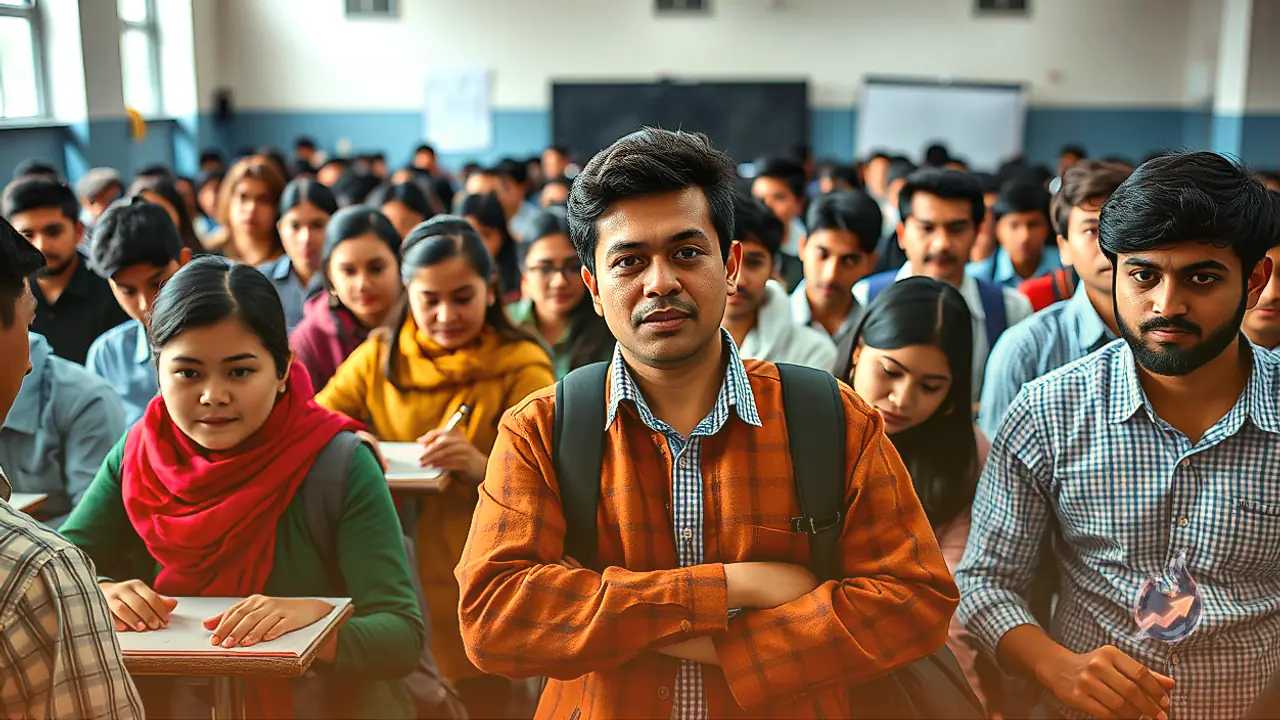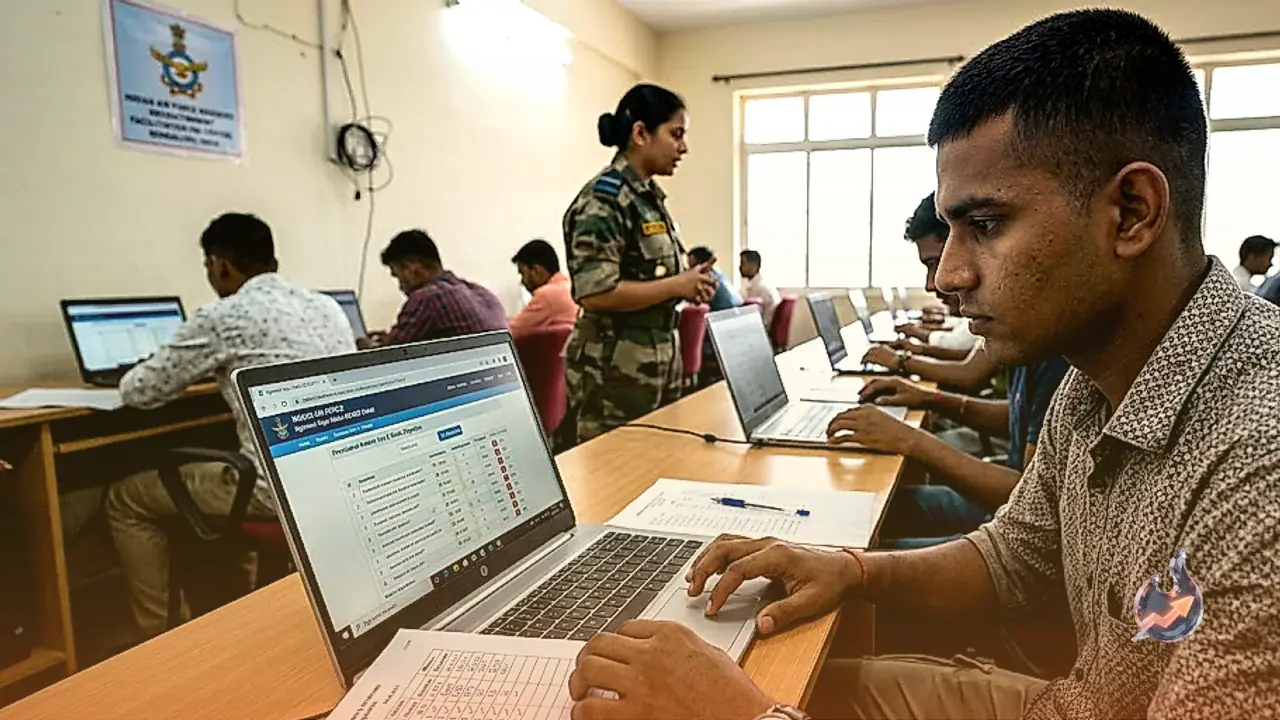















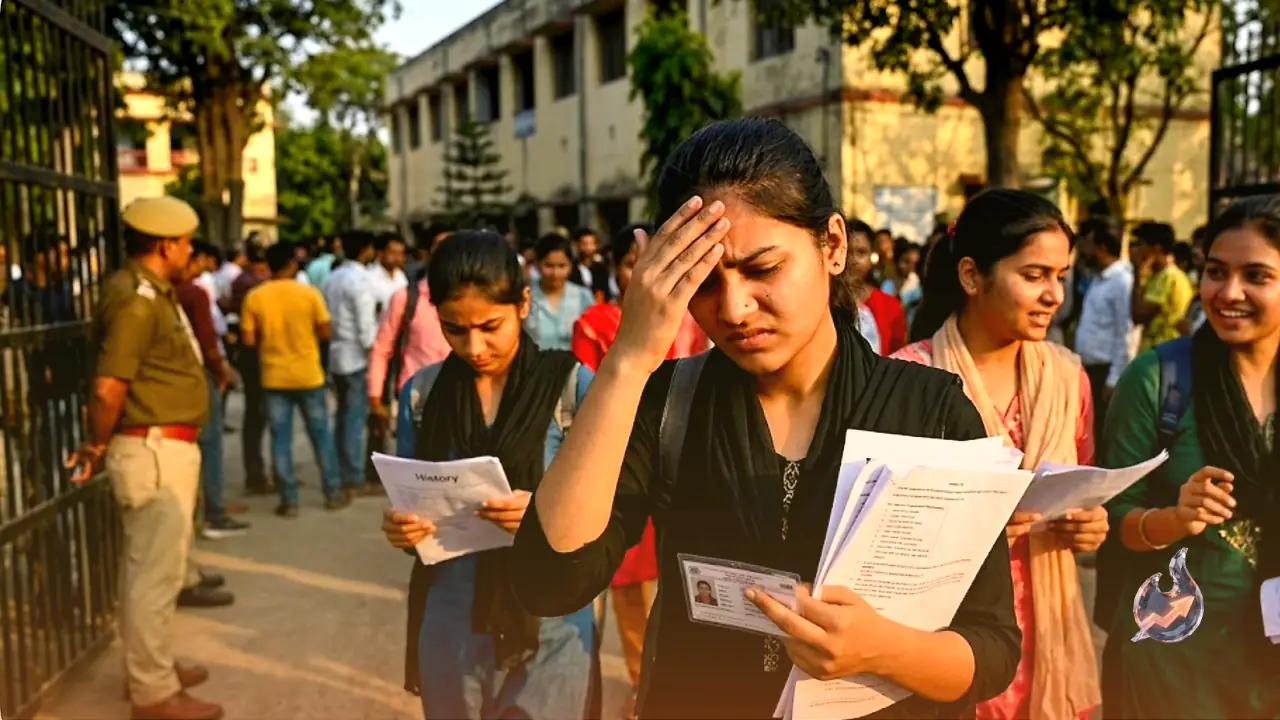

The first day of the Uttar Pradesh Teacher Eligibility Test, UPTET, passed off peacefully across the state, though the question paper caught many candidates off guard with some unexpectedly deep historical questions, ranging from Mohammad Ghaznavi to the Vedic period and from Maurya rule to Buddhism. Students walking out of the exam centres described the overall difficulty level as average, saying Maths and English questions came as a relief while the History portion tested their time management skills far more than they had expected.
History's Older Chapters Ate Up Precious Minutes
Candidates emerging from the centres said the questions overall were fairly average in difficulty. Maths and English, they said, posed no real trouble at all. The real challenge came with History, where questions drawn from older historical periods demanded far more time to work through than the rest of the paper. Several candidates admitted that jumping between centuries-old events left them short on time, and some said the time crunch meant they simply could not attempt every question in that section.
Sonbhadra's Saumya Expects the Cutoff to Climb Higher
Saumya, who travelled from Sonbhadra to appear for the exam, said this year's paper was fairly simple overall and that she managed to solve every single question on it. She noted that a handful of Maths questions were genuinely tough, but the rest of the paper was fairly ordinary, and she got through every question in both the Hindi and English sections without trouble. Candidates who prepared thoroughly, she said, can expect a noticeably stronger cutoff this time around. Saumya, who already works as a teacher, said her own preparation had been solid, and going by the nature of this year's paper, she believes the cutoff will climb quite high, with most aspirants likely to clear it comfortably.
Paper Matched Expectations, But History Tripped Up Banaras's Gaurav
Khushi Chaudhary said the paper turned out largely the way she had anticipated it would. She had prepared extensively for the exam, though, in the end, fewer questions were asked than what she had actually studied for. A few questions did give her real trouble, she admitted, but she still expects to score well this time, adding that the exam overall did not feature unusually difficult questions. Gaurav Kesari, who travelled from Banaras, said History-related questions were the ones that caused him genuine difficulty, while the rest of the paper felt quite ordinary and did not trouble him at all. According to Gaurav, the paper as a whole was moderate in difficulty and was not deliberately made tougher than it needed to be.
Fewer Questions Than the Syllabus Suggested, Social Science Held Students Up
Roshni said far fewer questions were asked than what the prescribed syllabus had led candidates to expect. She said her own preparation had been thorough and proper, and while the Social Science questions gave her some trouble, she managed to solve the rest of the paper quite comfortably and without much effort. Taken as a whole, she said, the paper was of a fairly normal standard and was unlikely to have caused major difficulty for any candidate who had prepared adequately.