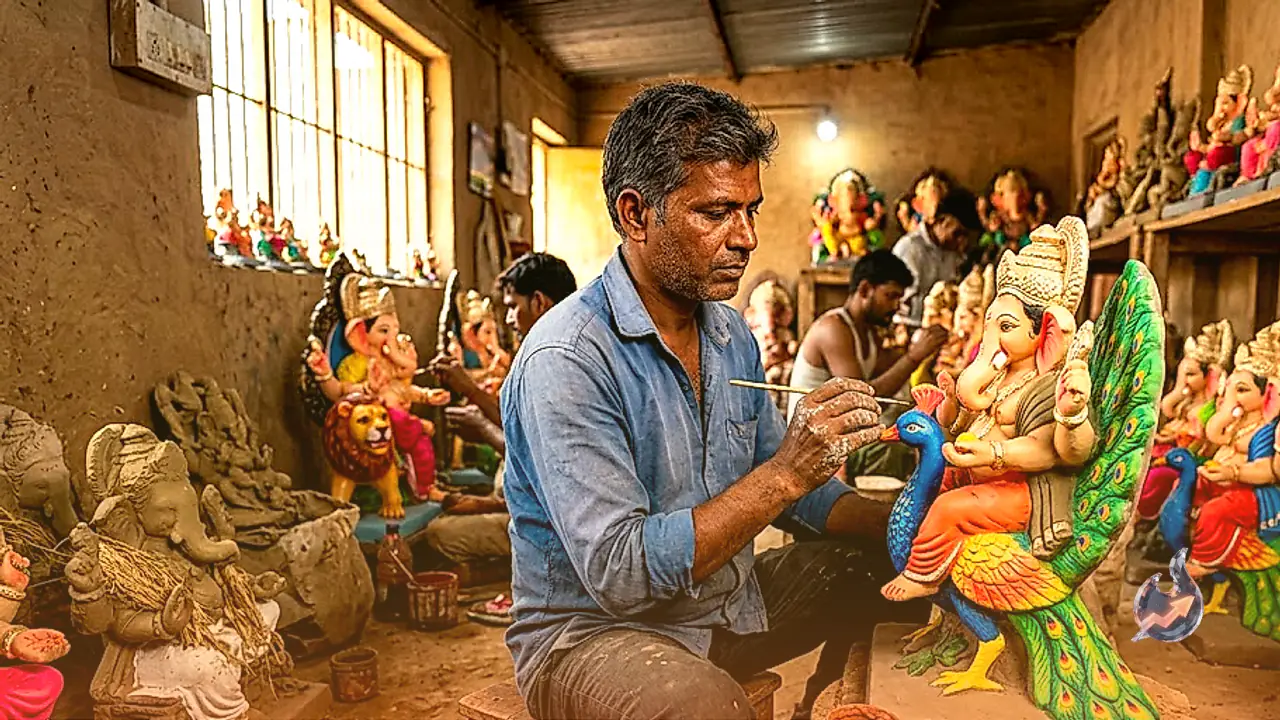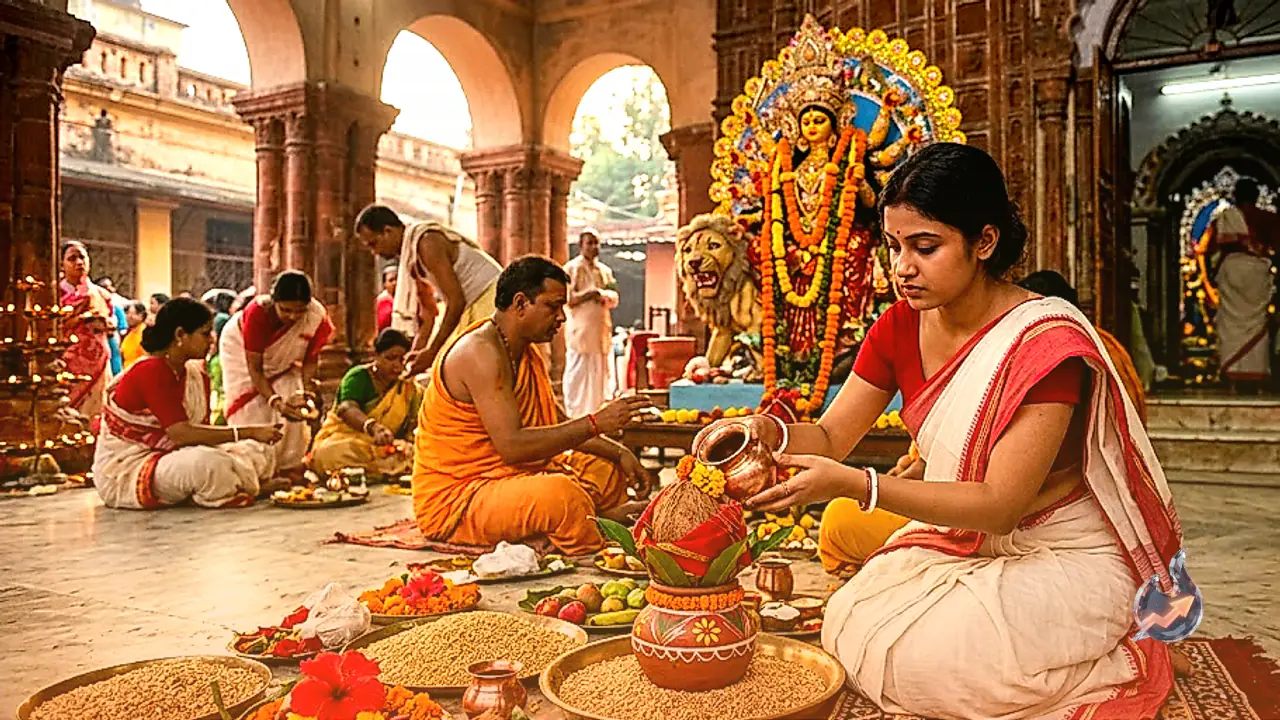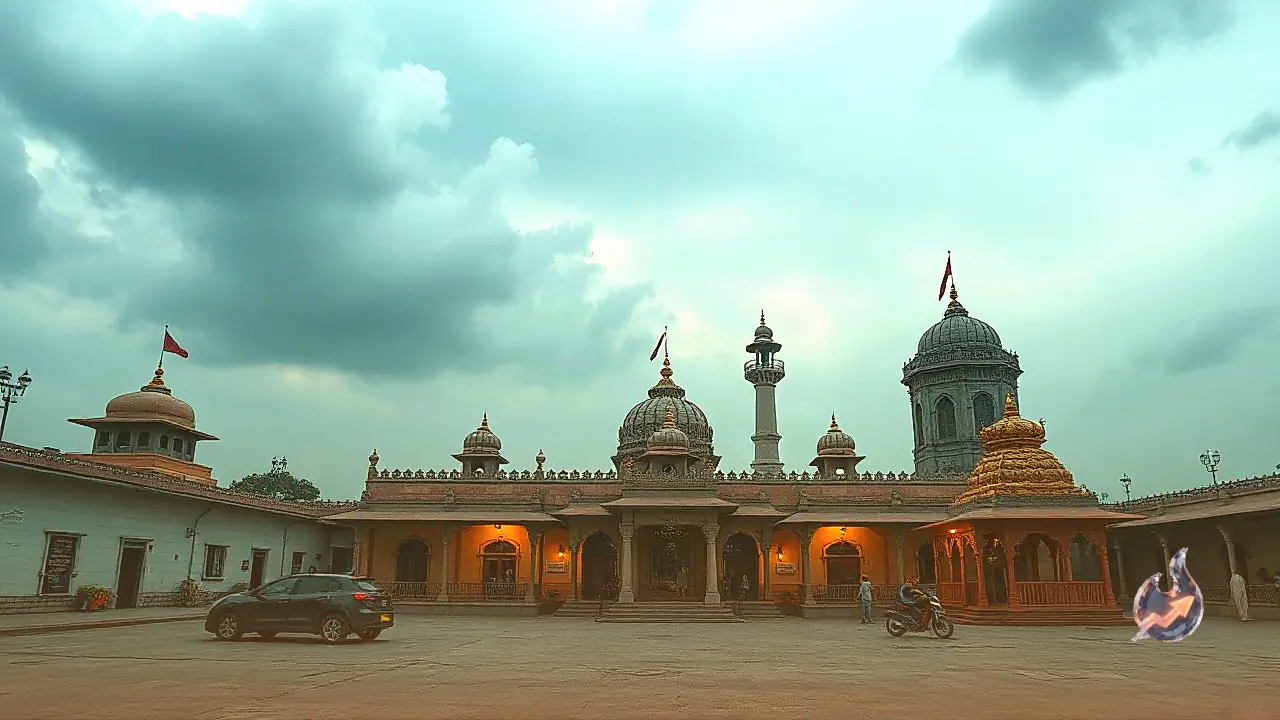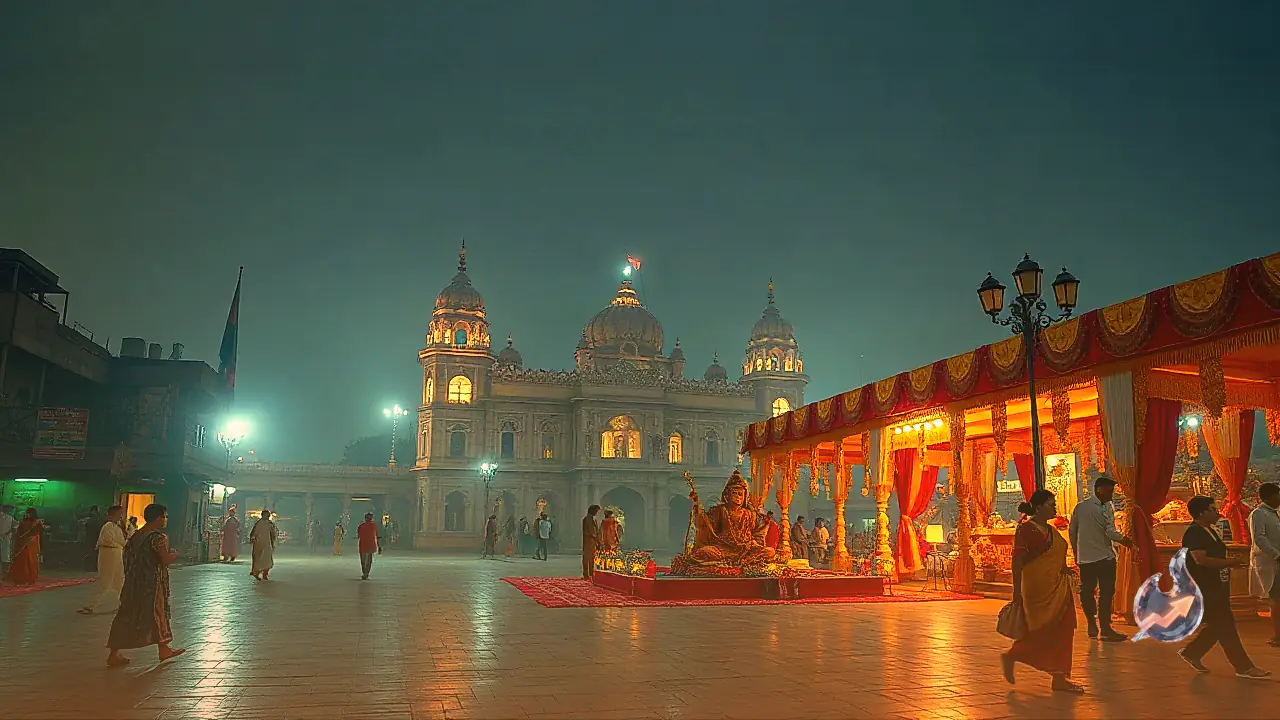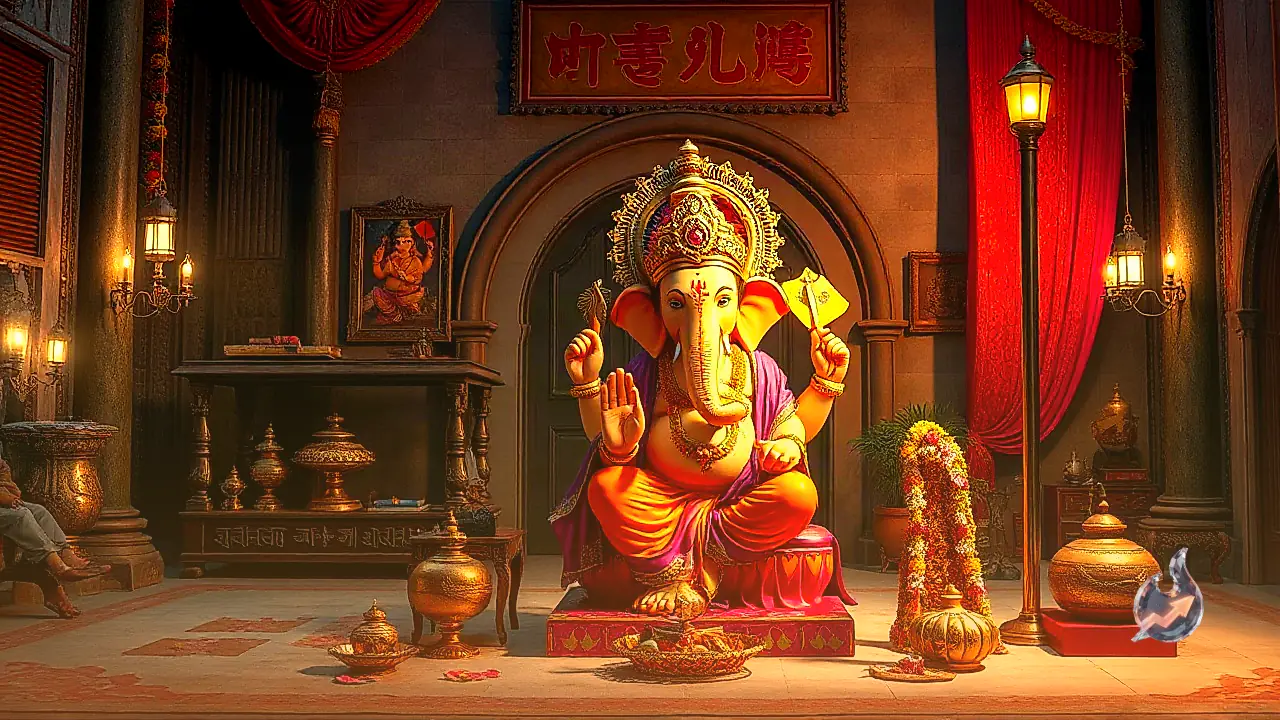

















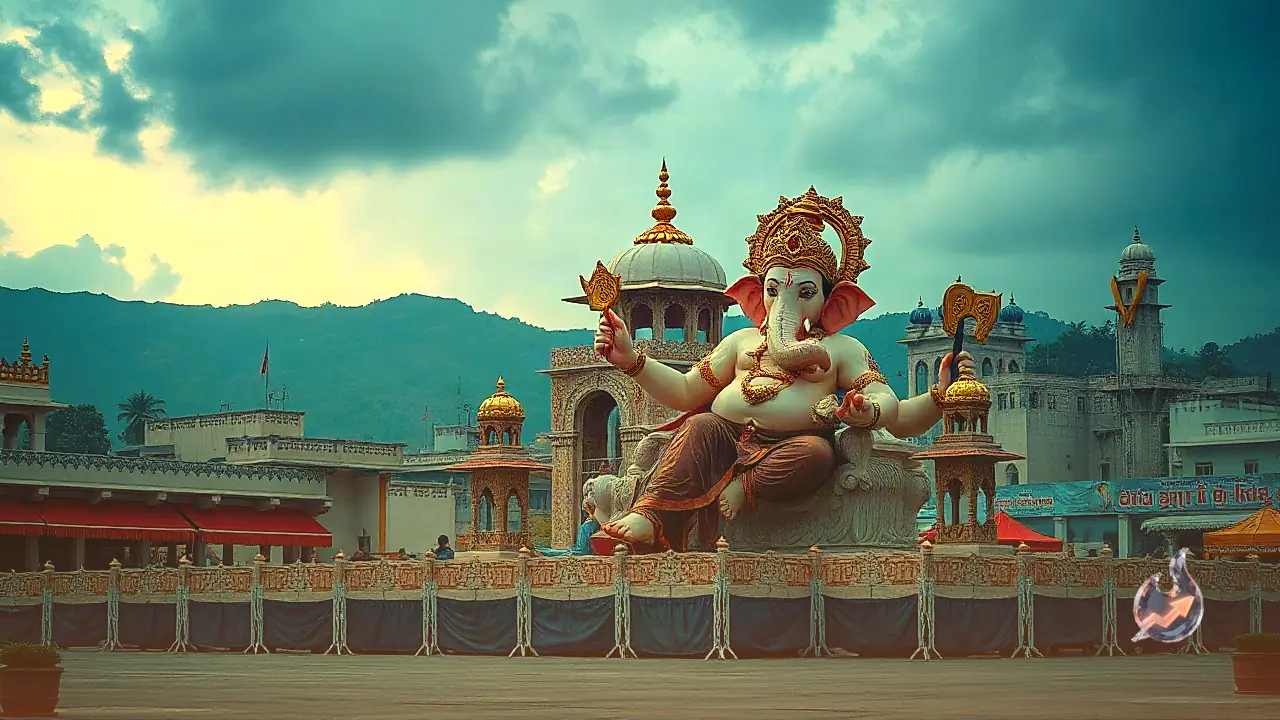

The highly anticipated festival of Ganesh Chaturthi is just around the corner, bringing immense joy and spiritual fervor to millions of households. Celebrated annually on the Chaturthi Tithi of Shukla Paksha in the month of Bhadrapada, this auspicious festival falls on Monday, September 14 this year. Across Maharashtra, North India, and various other regions, devotees are actively preparing to install beautifully crafted idols of Lord Ganesha in their homes and public pandals. Amidst the excitement of welcoming the deity of wisdom and prosperity, families often find themselves contemplating a crucial aspect of the celebrations. A common question that arises is how many days they should keep the deity at home before performing the immersion ritual. While some choose to bid farewell to the Lord after just one and a half days, others extend the celebrations to three, five, seven, or even the entire ten days. Understanding the significance behind these varied timelines can help families make a choice that aligns with their devotion and lifestyle.
The Principle of Flexibility: Devotion Over Rigid Rules
According to ancient religious beliefs and scriptures, there is no single mandatory timeline prescribed for keeping the idol of Lord Ganesha at home. The duration of the stay is highly flexible and depends entirely on the faith, familial traditions, and personal convenience of the devotees. Since the essence of the festival lies in pure devotion, families are free to choose a duration that allows them to perform all rituals with complete sincerity and peace of mind. While the ten-day festival is the most widely recognized format, the shorter durations have evolved to accommodate different lifestyles, ensuring that everyone can participate in the celebrations according to their capacity.
The Swift Farewell: The One and a Half Day Tradition
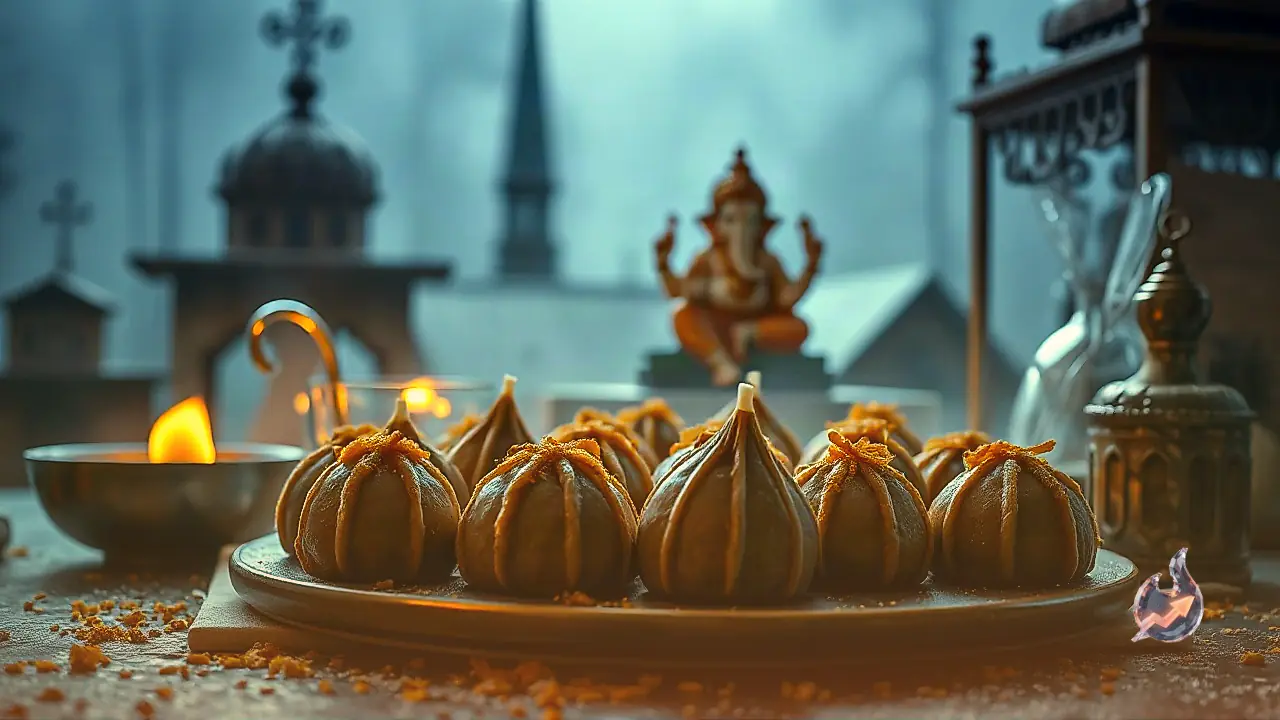
The practice of keeping Lord Ganesha for one and a half days is a very popular tradition in many urban areas and busy households. Under this custom, the deity is welcomed with grand rituals on the first day of Ganesh Chaturthi, and the family spends the night in prayer and singing devotional hymns. The next day, after performing the afternoon prayers and offering special delicacies like modaks, the family prepares for the immersion ceremony. This option is ideal for individuals who live in nuclear families or have demanding work schedules, allowing them to experience the divine presence of Bappa without compromising on the quality of daily worship and rituals.
Three Days of Devoted Service
For those who wish to extend their worship slightly longer than the minimum period, the three-day tradition serves as an excellent option. During these three days, the household remains filled with positive energy, and family members perform detailed prayers every morning and evening. The deity is offered fresh food, flowers, and special prayers daily. On the third day, after completing the final aarti and seeking blessings for the well-being of the family, the idol is taken for immersion with deep gratitude and respect.
Five and Seven Days: A Deeper Spiritual Connection
Many traditional households observe either a five-day or a seven-day period of hosting Lord Ganesha. These mid-length celebrations allow the family to dive deeper into the spiritual atmosphere of the festival. During this time, the house becomes a hub for relatives, friends, and neighbors who visit to seek blessings. It is common for families to organize evening gatherings, devotional singing sessions, and community feasts during these days. The immersion is planned on the fifth or seventh day, providing a balanced experience of extensive worship and manageable logistics for the household.
The Grand Ten-Day Utsav: Concluding on Anant Chaturdashi
The most famous and elaborate tradition is the ten-day festival, which begins on Ganesh Chaturthi and concludes on the day of Anant Chaturdashi. This extended celebration is particularly prominent in Maharashtra and in large-scale public pandals. Mythologically, this ten-day period symbolizes the time Lord Ganesha spends on Earth with his devotees before returning to his celestial abode, Kailash. Over these ten days, the atmosphere remains electric with non-stop celebrations, elaborate decorations, and charity events. On the final day, massive processions are organized as thousands of devotees take to the streets to bid a grand and emotional farewell to Bappa during the visarjan.
Which Duration is the Most Auspicious?
Ultimately, there is no spiritual distinction or hierarchy between keeping the deity for one and a half days or the full ten days. Every single day spent in the service of Lord Ganesha is considered highly sacred and auspicious. The supreme deity, known as Vighnaharta, is the lord of intellect, wisdom, and auspicious beginnings, and he accepts devotion in every form. Rather than focusing on the number of days, families are advised to focus on the purity of their prayers, the cleanliness of the ritual space, and their traditional family practices. The most crucial aspect of the festival is bidding farewell to the deity with the utmost respect, devotion, and love, praying for his return the following year.