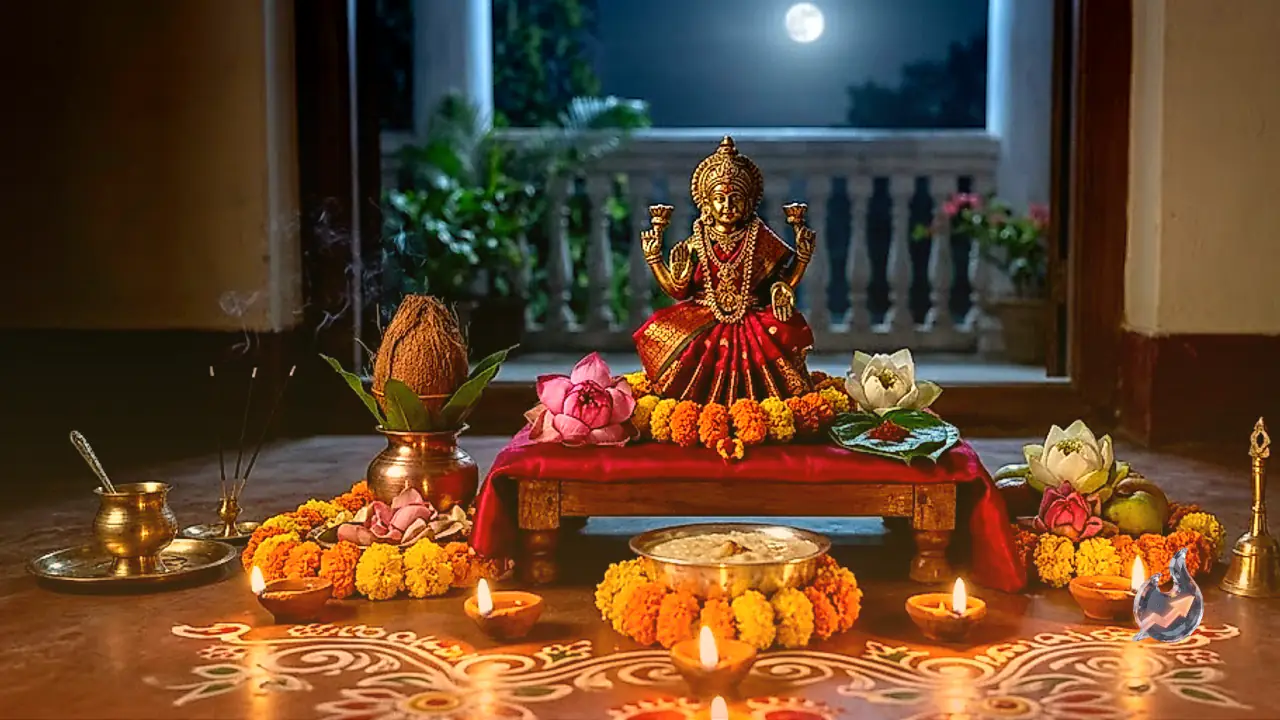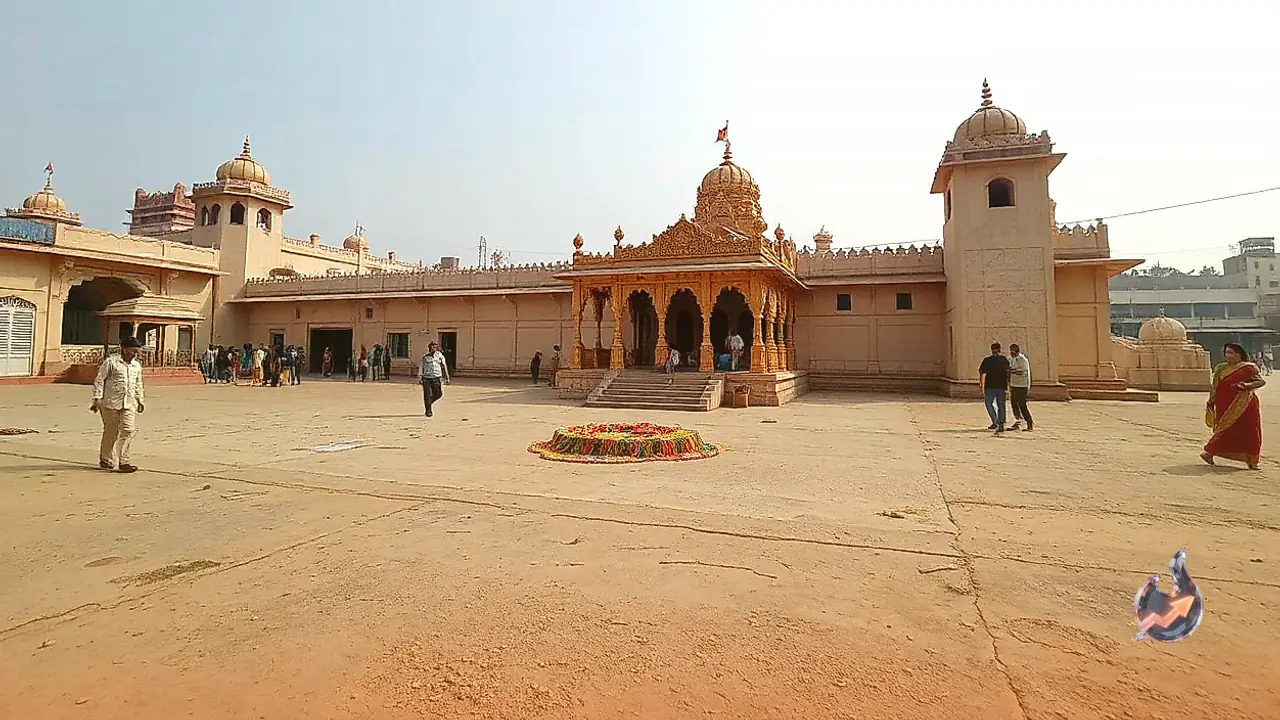

















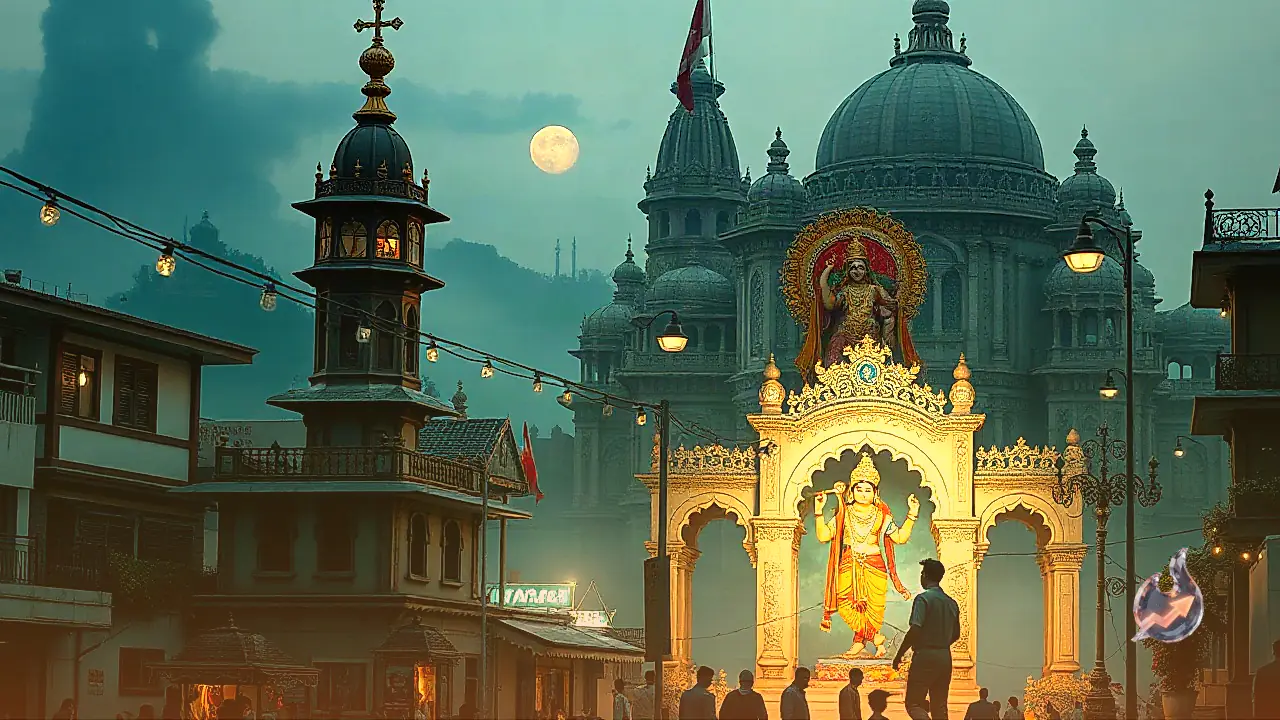

Krishna Janmashtami, the auspicious festival celebrating the birth of Lord Krishna, will be observed across the country with immense devotion and spiritual fervor on Friday, September 4, 2026. According to Vedic traditions, Lord Krishna manifested in the prison cell of Mathura from the womb of Mother Devaki at midnight during the Ashtami Tithi of the Krishna Paksha in the month of Bhadrapada. The 2026 celebration holds extraordinary spiritual importance as it marks a rare occurrence seen after 15 years, where both householder devotees (Grihastha) and Vaishnava ascetics will celebrate Janmashtami on the exact same calendar day. Furthermore, astrological alignments during this festival will generate six highly powerful and rare Rajyogas, making it an exceptionally fortunate occasion for worship and spiritual remedies.
Rare 15-Year Astrological Conjunction Unites Grihastha and Vaishnava Observances
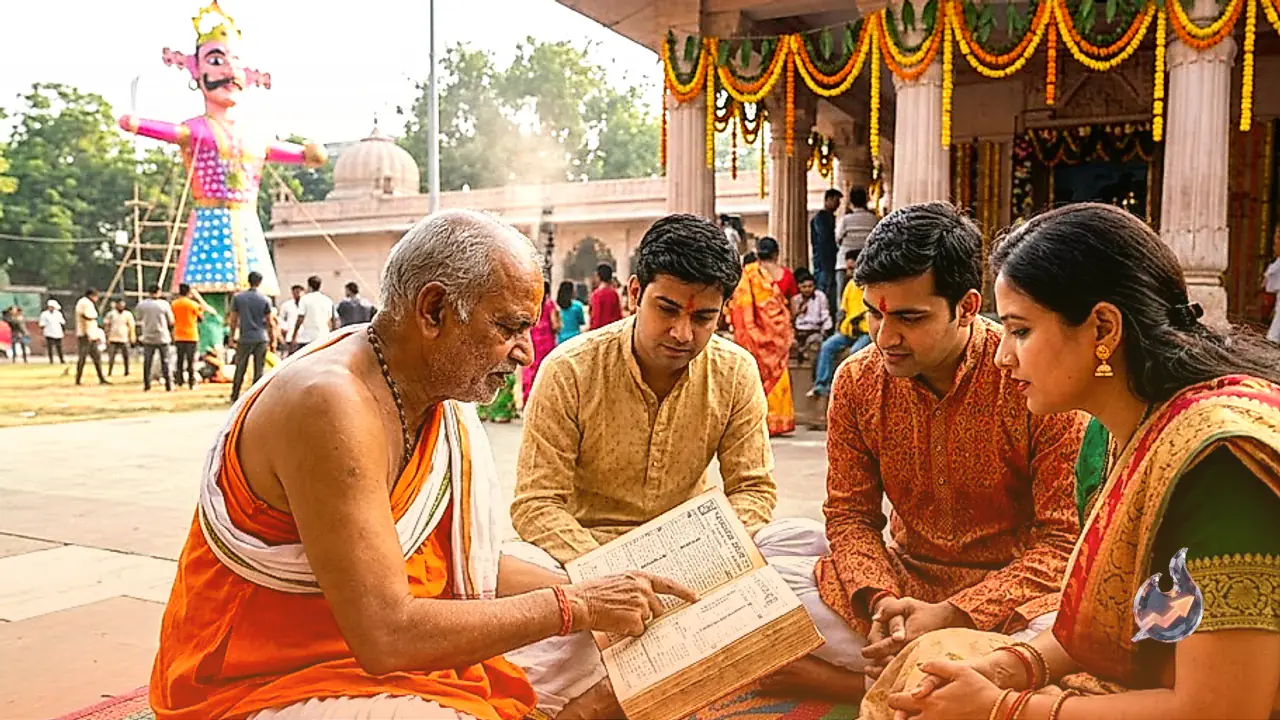
In most years, variations in the calculation of Ashtami Tithi and Rohini Nakshatra lead to differing dates of celebration for householder devotees and Vaishnava followers, often spreading the festival over two consecutive days. However, astrologer Pandit Shipra Sachdeva explains that planetary alignments in 2026 bring both traditions together on September 4. According to the Hindu Panchang, the Ashtami Tithi begins during the midnight hours between September 3 and 4 at 2:30 AM and continues until 12:30 AM on the night of September 5. Because Ashtami prevails at sunrise (Udayatithi) and extends through the midnight hours of September 4, scholars have unanimously declared September 4 as the primary day for Janmashtami rituals. Additionally, the Rohini Nakshatra remains active until 11:04 PM on the night of September 4, providing an ideal atmospheric alignment for worship.
Auspicious Midnight Worship Timings and Nishita Kaal Schedule
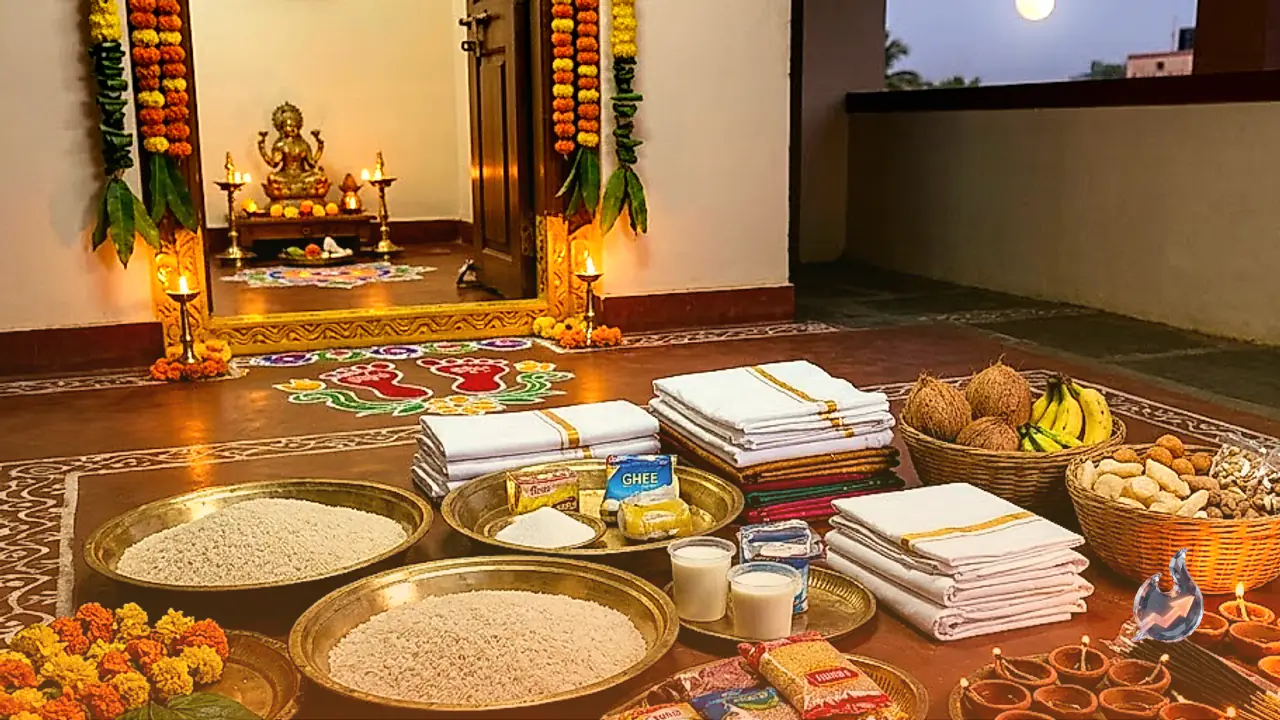
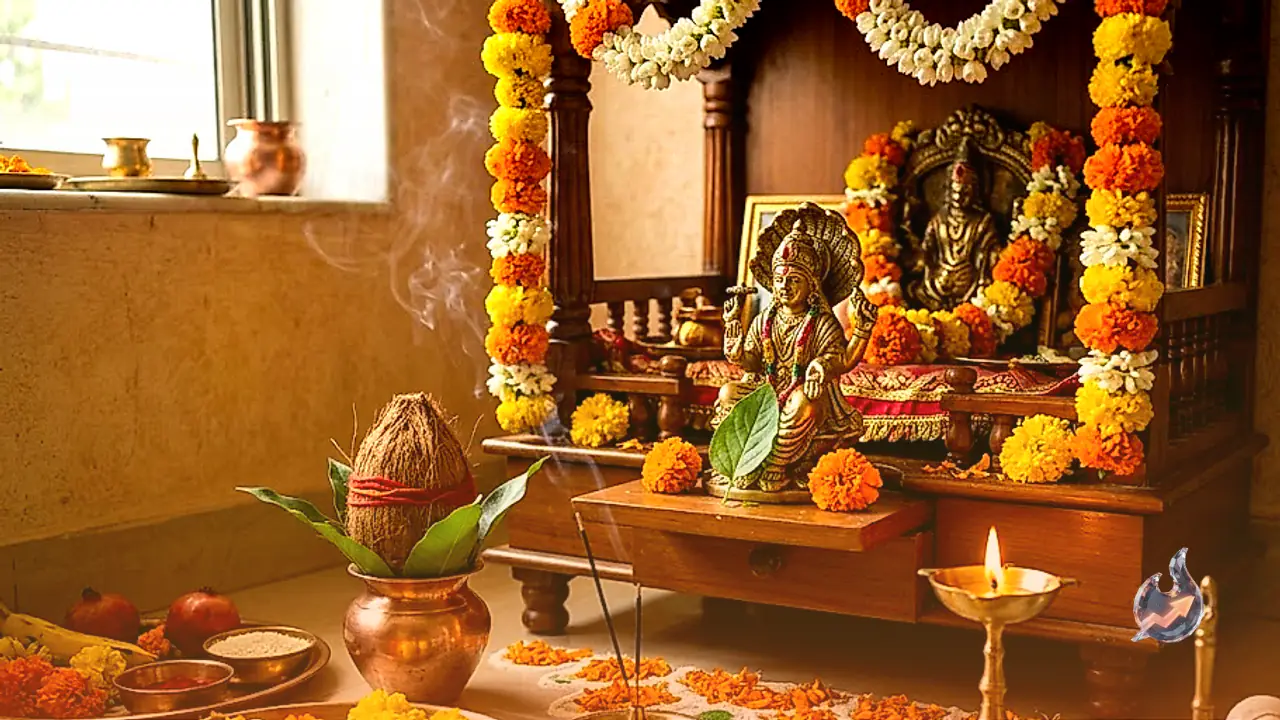
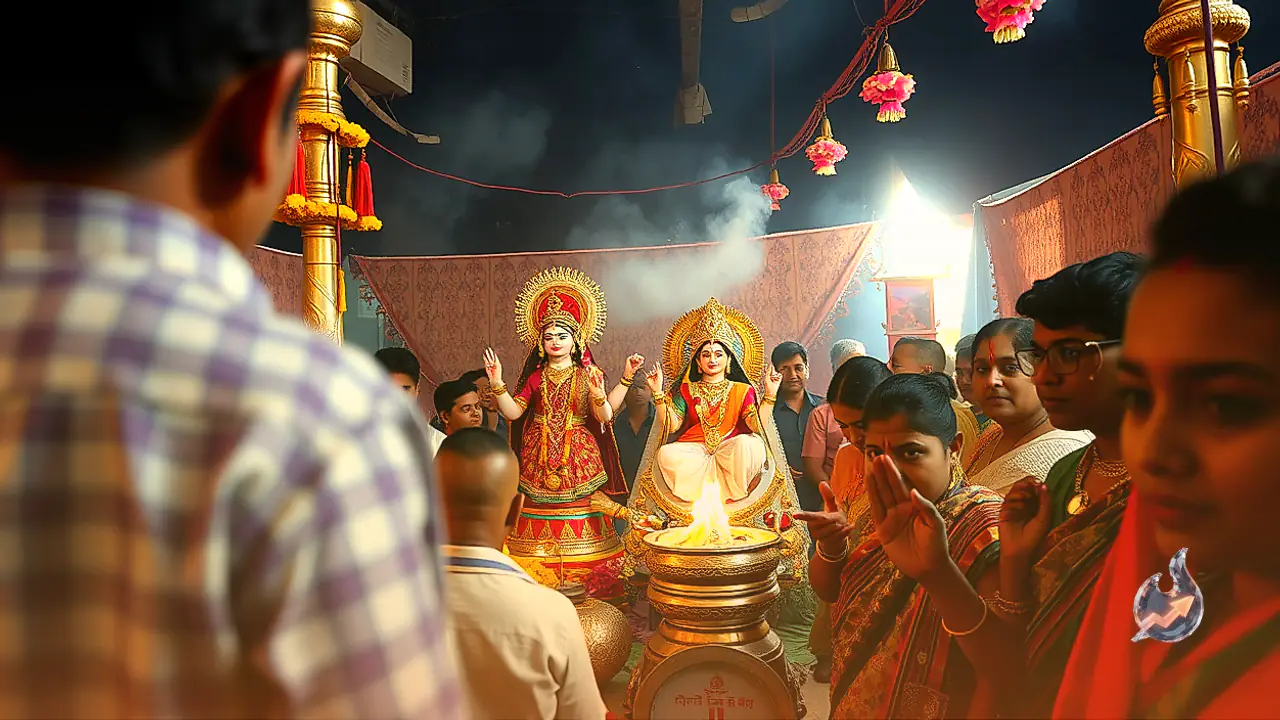
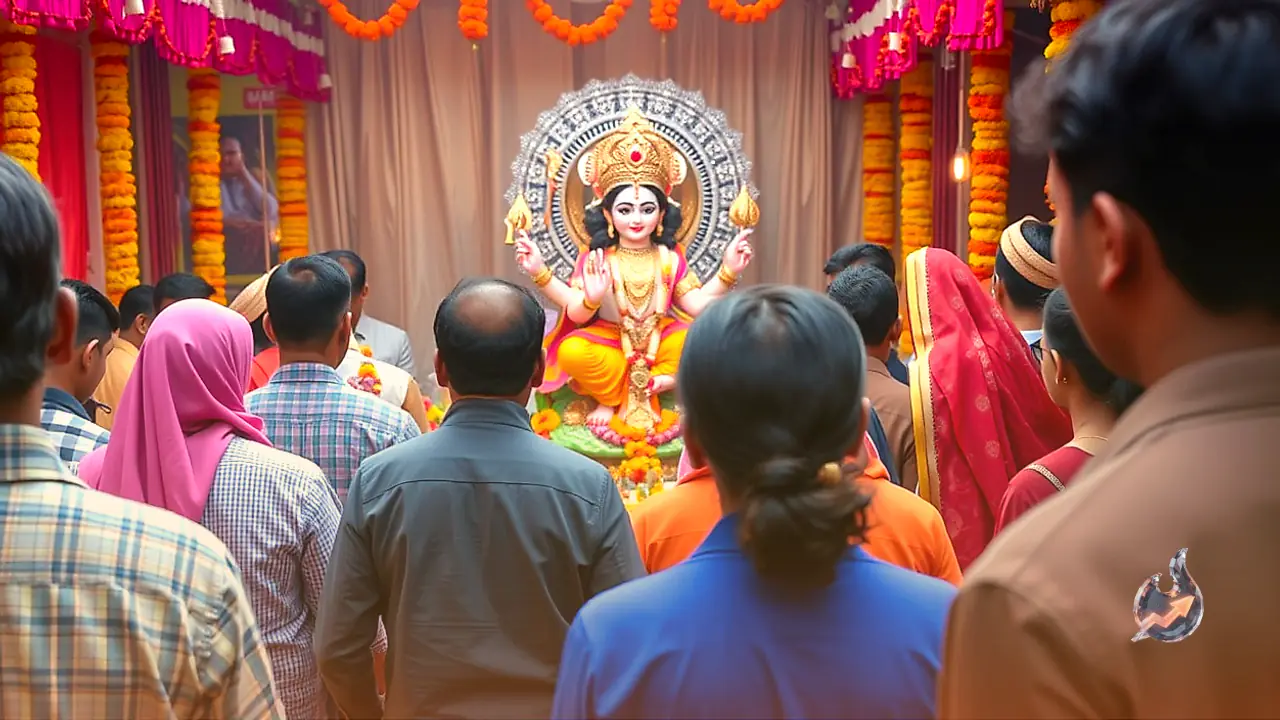
Since the divine birth of Lord Krishna occurred at midnight, the Nishita Kaal period is considered the most sacred timeframe for Janmashtami prayers. On September 4, the primary Shubh Muhurat for performing the birth rituals begins at 11:05 PM and extends until 12:35 AM in the midnight hours. Worship performed during this 90-minute window is believed to yield maximum spiritual merit. Furthermore, the precise Nishita Kaal scriptural timing spans from 11:57 PM to 12:43 AM. During this midnight window, devotees bathe the deity of Bal Gopal with holy Ganga water and Panchamrit, dress Him in vibrant new garments, offer fresh butter mixed with sugar candy (Makhan-Mishri), and gently rock Him in a decorated cradle. The ritual fast is traditionally concluded after completing the midnight birth worship.
Daytime Shubh Choghadiya Timings for Devotional Activities
For devotees wishing to initiate fasts, recite scriptures, perform devotional singing (bhajan-kirtan), or conduct morning deity worship on September 4, specific auspicious Choghadiya slots are recommended throughout the day. According to astrological calculations, the morning begins with the Labh Choghadiya from 7:35 AM to 9:10 AM, followed immediately by the highly auspicious Amrit Choghadiya from 9:10 AM to 10:45 AM. For afternoon prayers and ritual preparations, the Shubh Choghadiya window is available from 12:20 PM to 1:55 PM. Performing mantra recitations and prayers during these daytime slots fosters positivity and harmony within the household.
Celestial Alignments: Six Powerful Rajyogas Formed on Janmashtami 2026
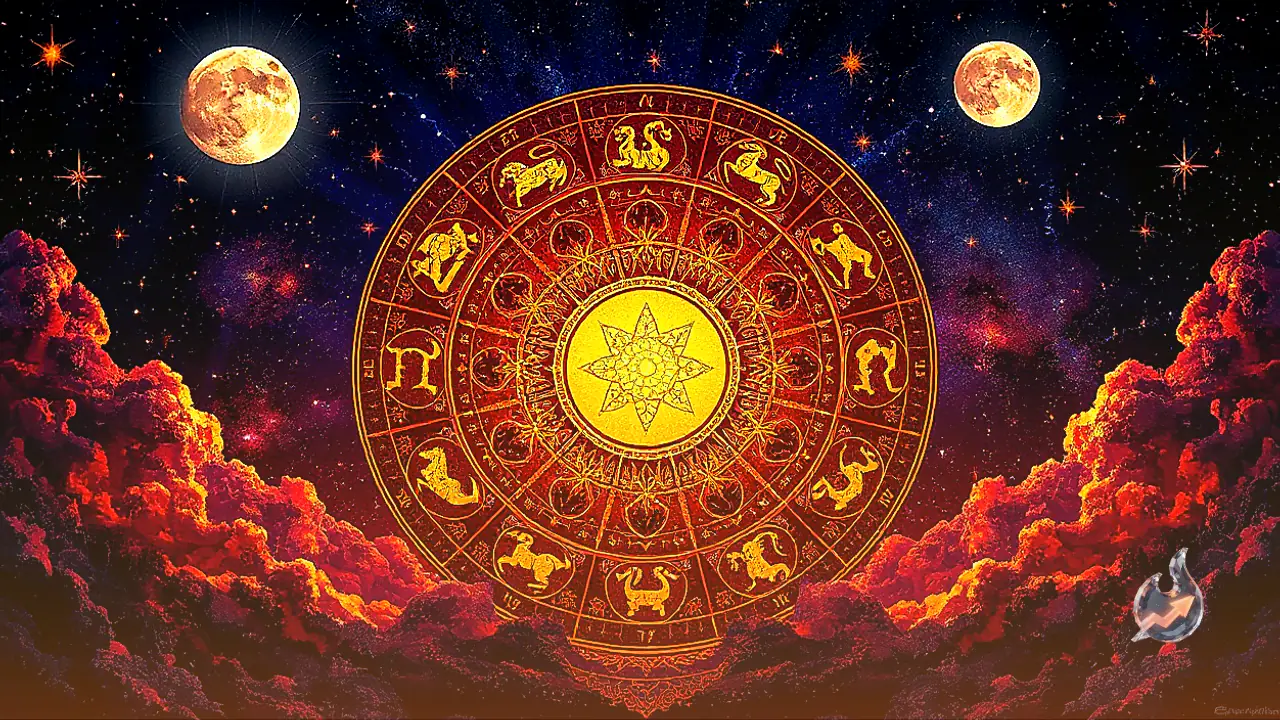
From an astrological perspective, Janmashtami 2026 presents a remarkably rare planetary configuration featuring six major Yogas operating simultaneously. Planetary calculations reveal the formation of Shri Krishna Jayanti Yoga alongside Harshan Yoga. Furthermore, the conjunction of the Sun and Mercury in Leo gives rise to the auspicious Budhaditya Yoga. Planetary exaltations further enhance the day's potency, as Jupiter resides in its exalted sign to create Hansa Rajyoga, while Venus sits exalted to form Malavya Rajyoga. In addition, the cosmic geometry establishes the Nava-Pancham Rajyoga. Astrologers note that performing dedicated worship during these aligned yogas helps neutralize negative planetary afflictions (grah doshas) and brings long-term prosperity and success.
Fasting Customs, Worship Rituals, and the Special Silver Flute Remedy
Devotees observe Janmashtami by taking a morning purification bath and taking a formal pledge (Sankalp) to maintain either a complete waterless fast (Nirjala Vrat) or a fruit-based fast (Falahar Vrat). Throughout the day, homes and temples echo with chants such as 'Om Namo Bhagavate Vasudevaya'. Pandit Shipra Sachdeva highlights a specific spiritual remedy for those seeking fulfillment of heartfelt desires. Devotees are advised to offer a silver flute to Lord Krishna on Janmashtami day. If worshipping a Bal Gopal idol at home, a small silver flute may be presented directly to the deity. Alternatively, if worshipping at a public temple where silver is not available, one may offer a standard bamboo flute while placing a written wish inside or beneath it at the Lord's feet. According to tradition, offering a flute on this holy occasion removes life obstacles and grants divine blessings.