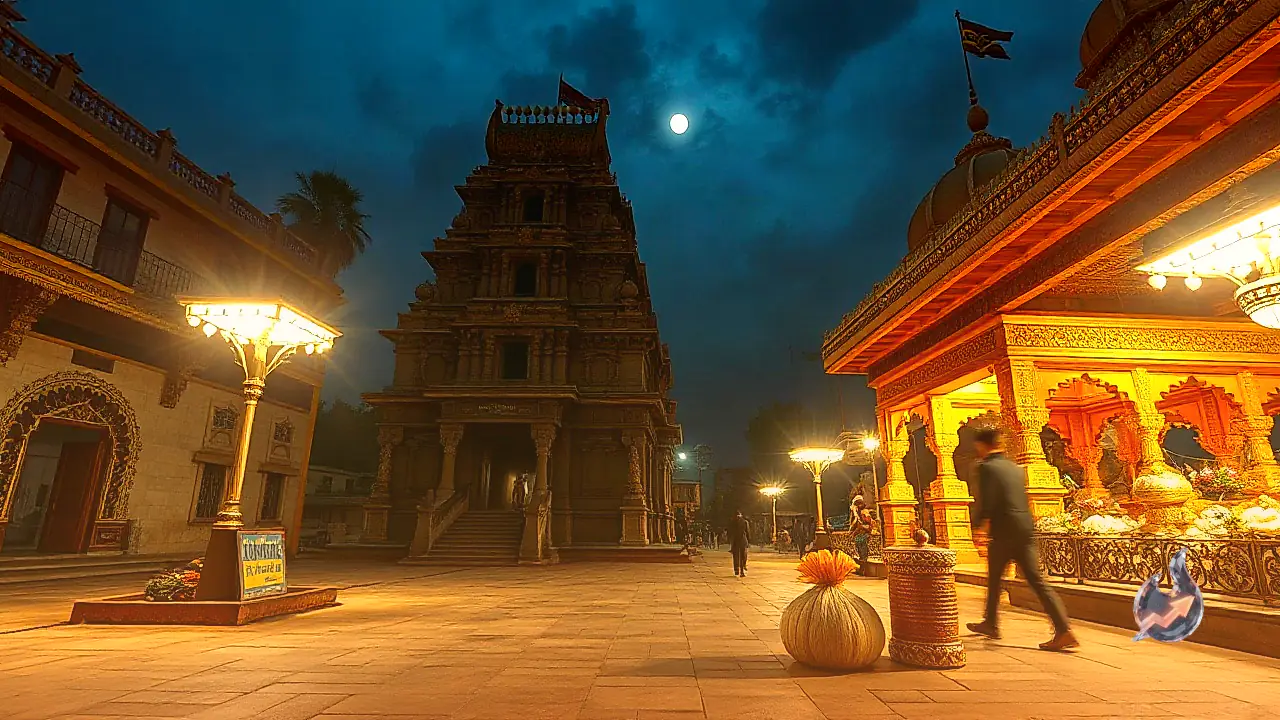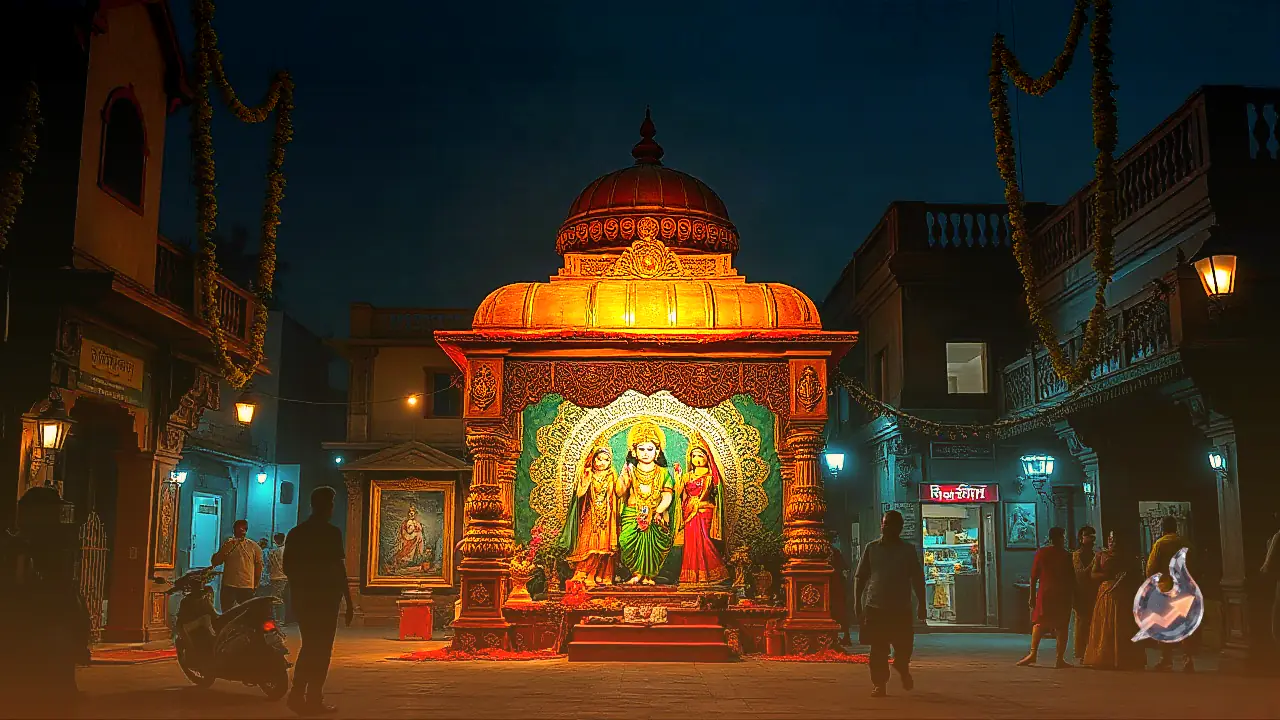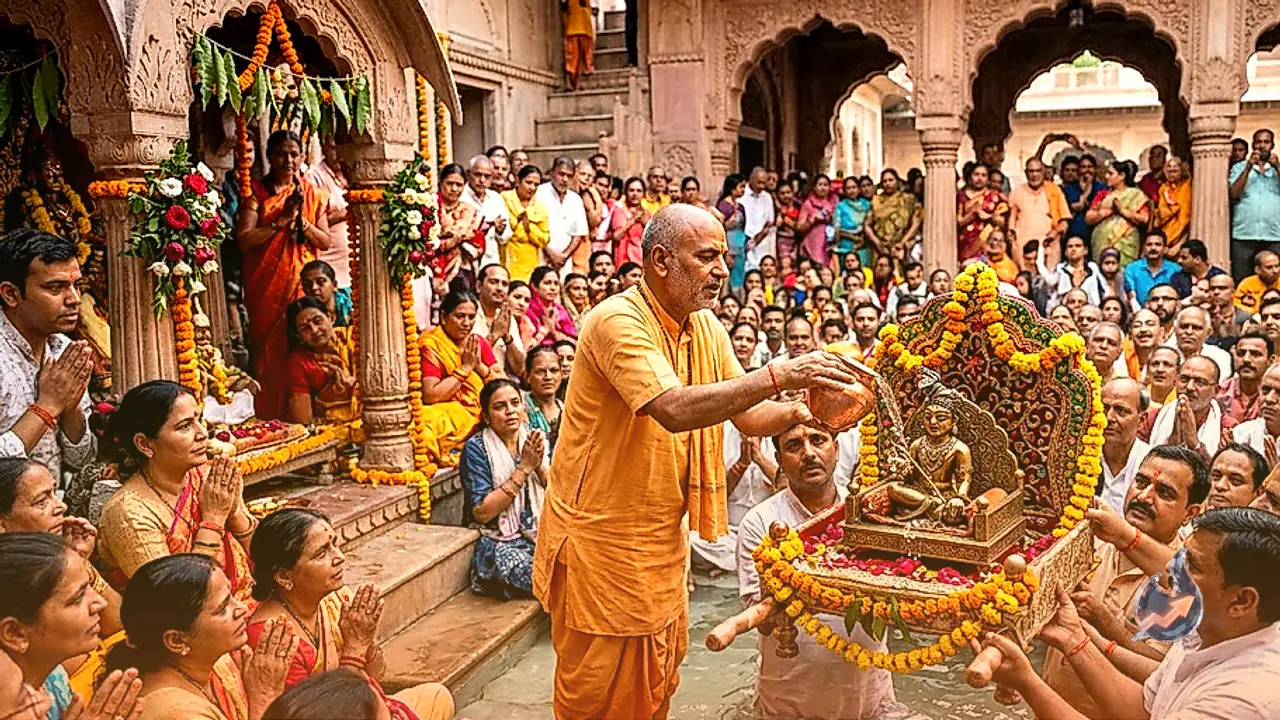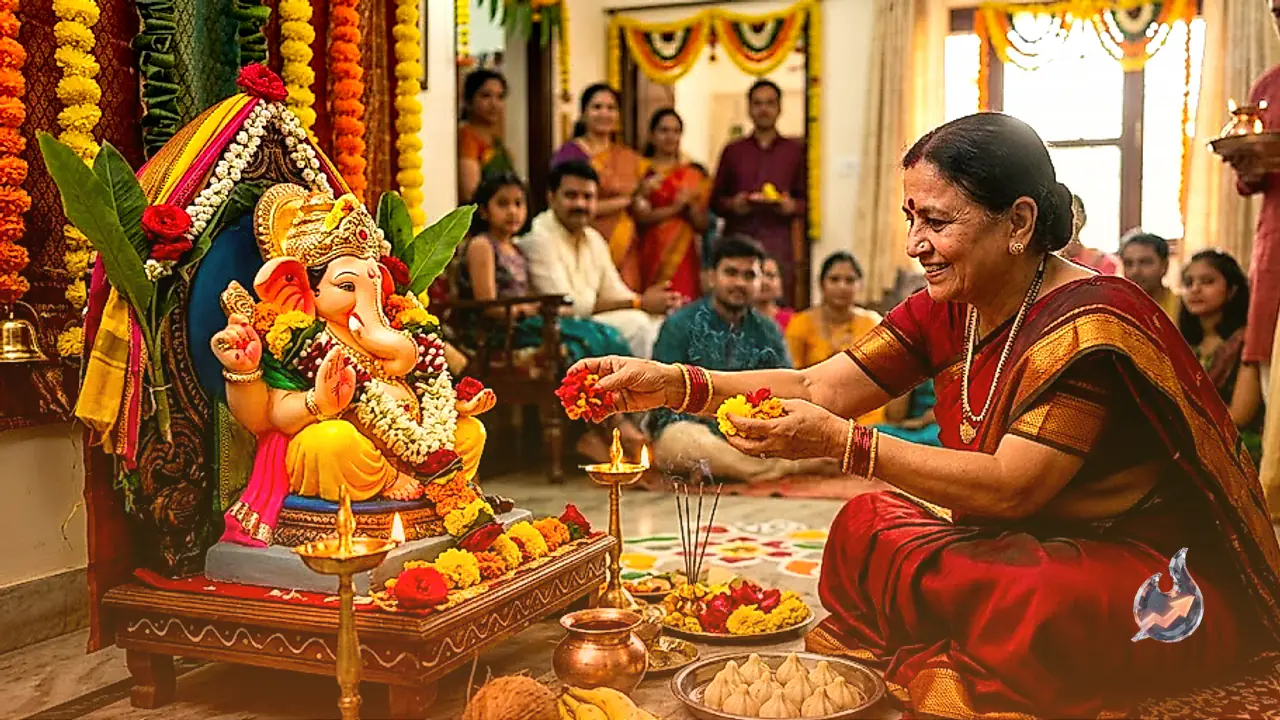
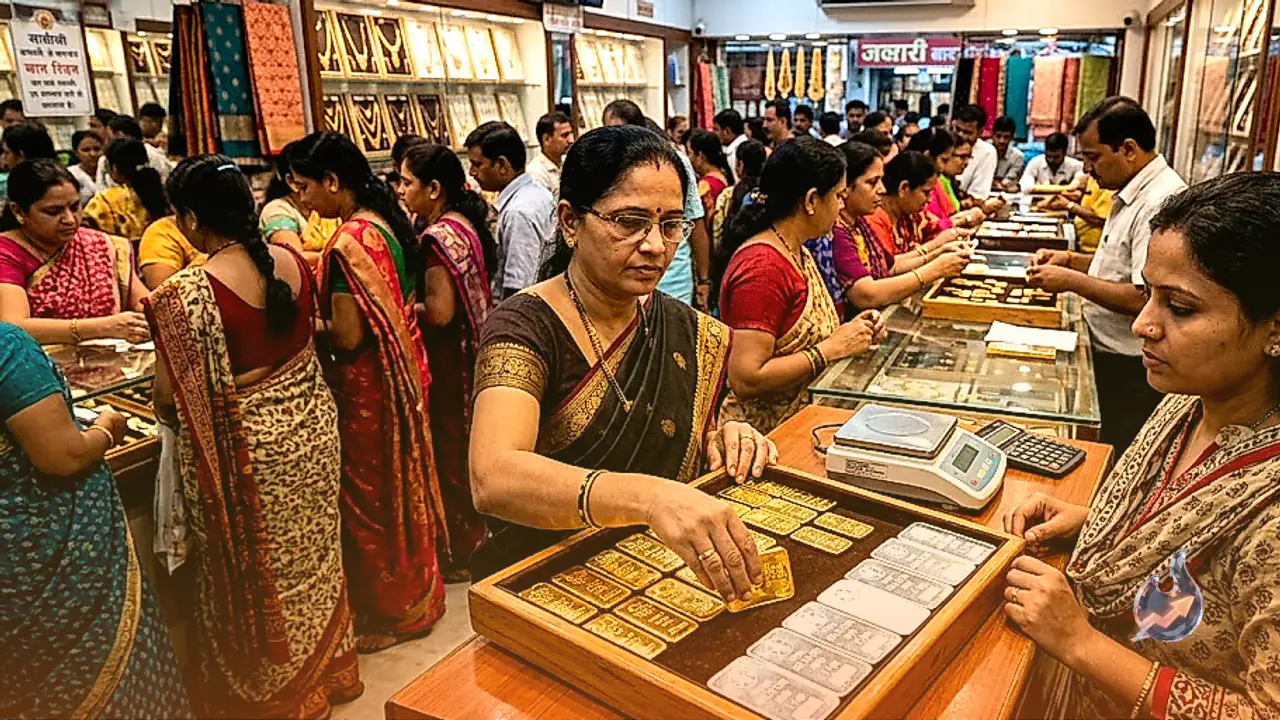

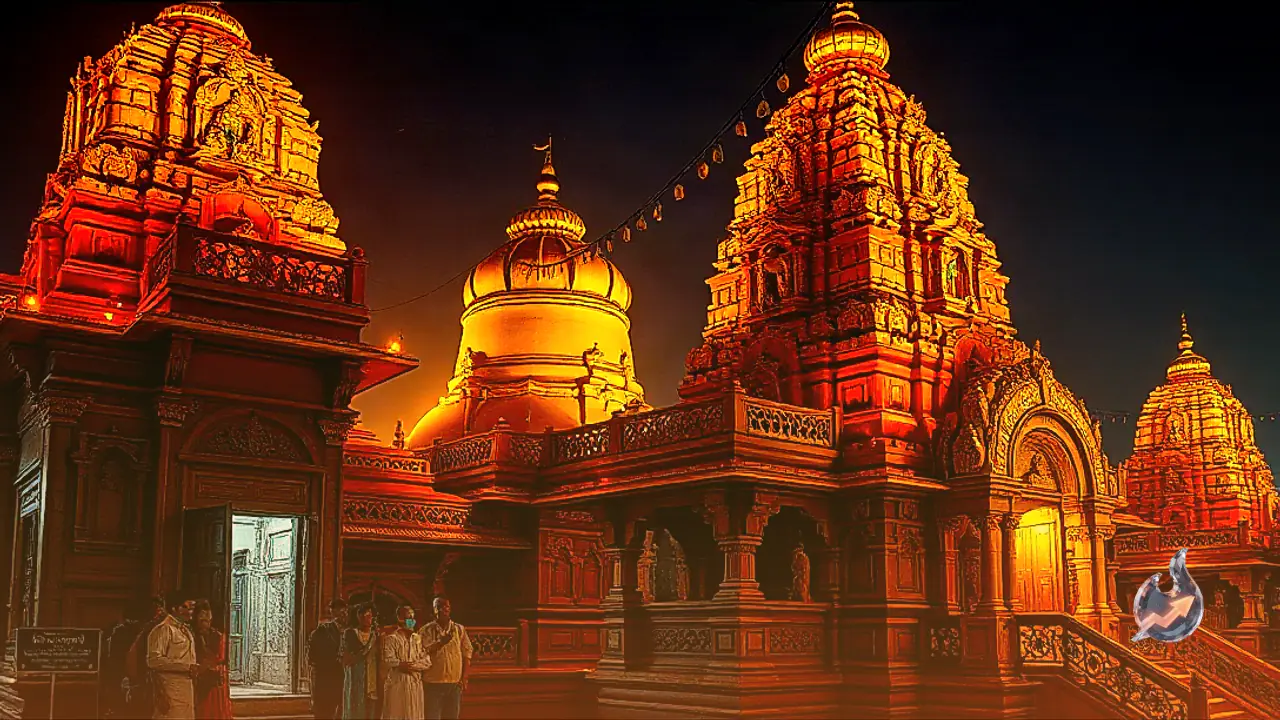





















A sea of pilgrims converged early in the morning at the iconic Ladliji temple in Barsana to mark the holy appearance day of Radha Rani. Observed annually across the country on the Ashtami tithi during the waxing phase of the Bhadrapada month, the sacred occasion draws countless devotees who observe strict fasts and perform elaborate ceremonial worship of Radha and Krishna. While the fast for Krishna Janmashtami typically concludes right after the midnight prayers, the rituals governing the conclusion of the Radha Ashtami fast follow a distinct traditional timeline.
Prescribed Timings and Variations Across Traditions
The practice of concluding the fast varies depending on sectarian customs and regional lineages. Under the prevailing tradition followed by a majority of practitioners, the fast is observed for the entirety of Ashtami, and the formal conclusion takes place only after sunrise on the following Navami morning. In line with this scriptural guideline, the most auspicious period to conclude the fast in 2026 falls on Sunday, September 20, after 6:08 AM in the morning.
Concurrently, certain domestic practices and distinct Vaishnava branches follow an alternate method. Under their local customs, devotees perform the midday worship on Ashtami itself and then partake of sacred fruit offerings to ease the fast. Individuals typically select between these approaches depending on their family lineage and physical endurance.
Essential Guidelines for Concluding the Fast
On the morning of the fast-breaking ceremony, devotees must wake up early, bathe, and dress in clean, fresh clothing. A dedicated prayer altar should be arranged for Radha Rani and Lord Krishna, followed by traditional worship. Any food, sweets, or fruits prepared for the deities must be sanctified by adding holy basil leaves before being presented as an offering. The fast is then formally broken by consuming this sanctified prasad first.
Religious instructions emphasize that meals consumed on this day must remain strictly vegetarian and pure. Following Vaishnava dietary discipline, ingredients like onions and garlic are completely excluded from the household kitchen. Furthermore, practitioners are encouraged to offer charity to the needy according to their financial capacity, including gifts of foodgrains, seasonal fruits, or everyday essentials.
Sacred Mantras and Chanting Protocols
Before partaking in the post-fast meal, spiritual discipline recommends chanting Radha Rani's divine names 108 times using a rosary made of holy basil beads. Several revered mantras outlined in traditional texts include
- Primary Maha Mantra: Om Hreem Shri Radhayai Swaha
- Bija Mantra: Om Hreem Shreem Radhikayai Namah
- Devotional Invocatory Mantra: Om Aim Hreem Shreem Namo Bhagavate Radhapriyayai
- Shri Radha Gayatri Mantra: Om Hreem Shriradhikayai Vidmahe Gandharvikayai Dhimahi Tanno Radha Prachodayat
Spiritual Significance and Grandeur in Braj
In Hindu spiritual philosophy, Radha Rani represents the embodiment of divine energy, supreme devotion, and compassion. Devotional scriptures state that contemplation of Lord Krishna remains incomplete without honoring Radha's foundational grace, as she personifies unconditioned love and absolute surrender.
The festival sparks intense joy throughout the sacred Braj region, encompassing Vrindavan, Mathura, and Barsana. Temple sanctuaries are decorated with elaborate floral canopies and regal attire for the deities, while congregational singing of devotional hymns echoes continuously throughout the day, creating an uplifting spiritual atmosphere for visiting pilgrims.